Safe Before Happy: Helping Your Dog Feel Secure

Ian Shivers • September 23, 2025

Share this article

I understand why obedience is so attractive.

This might sound harsh and unpopular, but when my dog is struggling, I don’t necessarily treat the moment like a chance to make them happy right away.

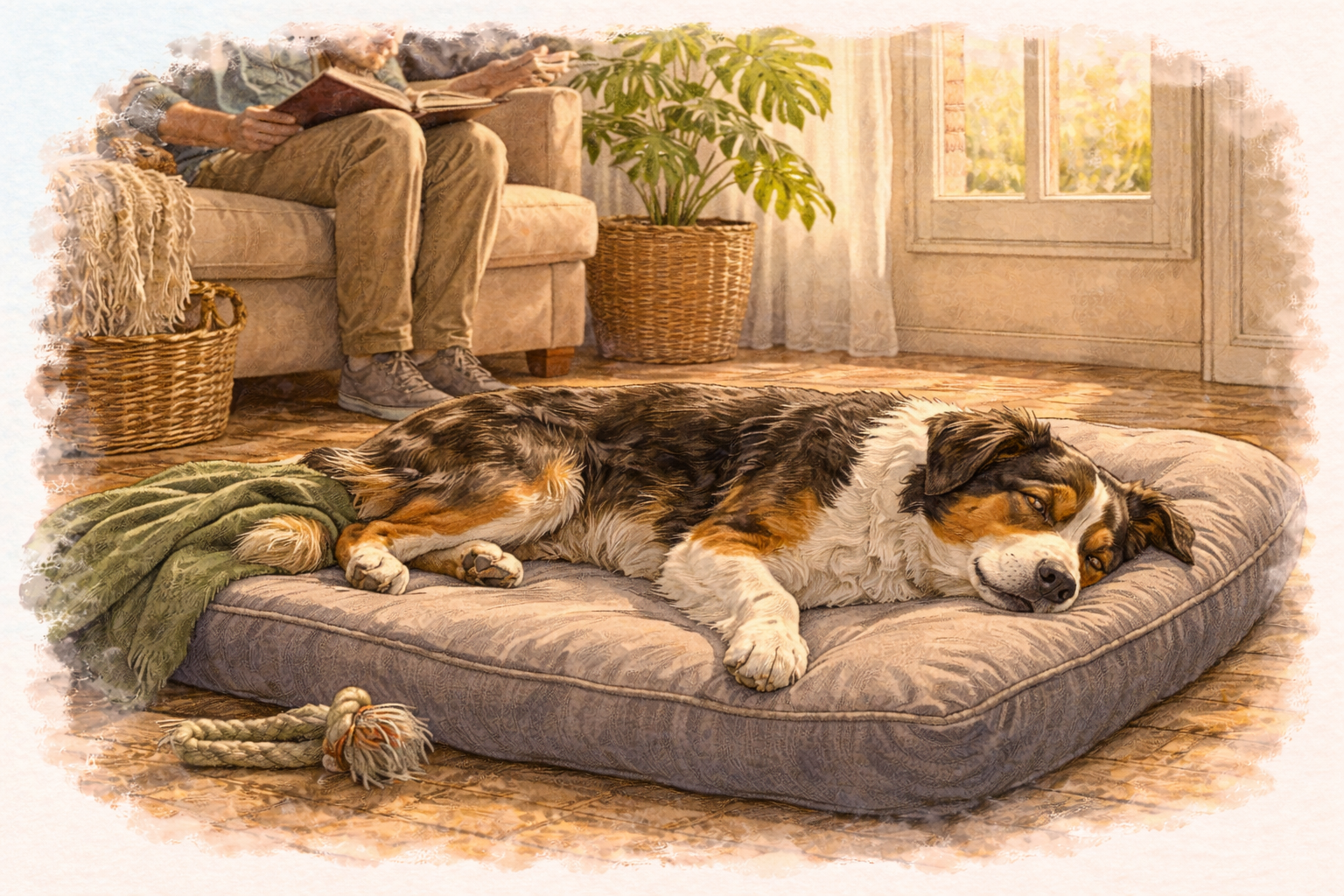
My first job is to help them feel safe where they are, safe in me and to help them regulate their emotions. Safe enough to calm down and relax, for their nervous system to FEEL ok again.

Why Safety Comes First

A happy dog can wag their tail and look playful, but happiness without a sense safety and security does not last.

If I try to make my dog happy when they are upset, I might see them change fast—but it won’t be stable. They will still be stressed inside and that happiness will be short lived and feel irrelevant to any sensations of fear, insecurity and lack of trust.

Safety and emotional regulation are different:


  • Safe and well regulated means calm, steady, grounded. It builds trust, stability, and resilience.


  • Happy means quick, joyful, but it is fleeting. The stress comes back fast, and the dog needs more and more from me to settle again.


What This Looks Like in Real Life

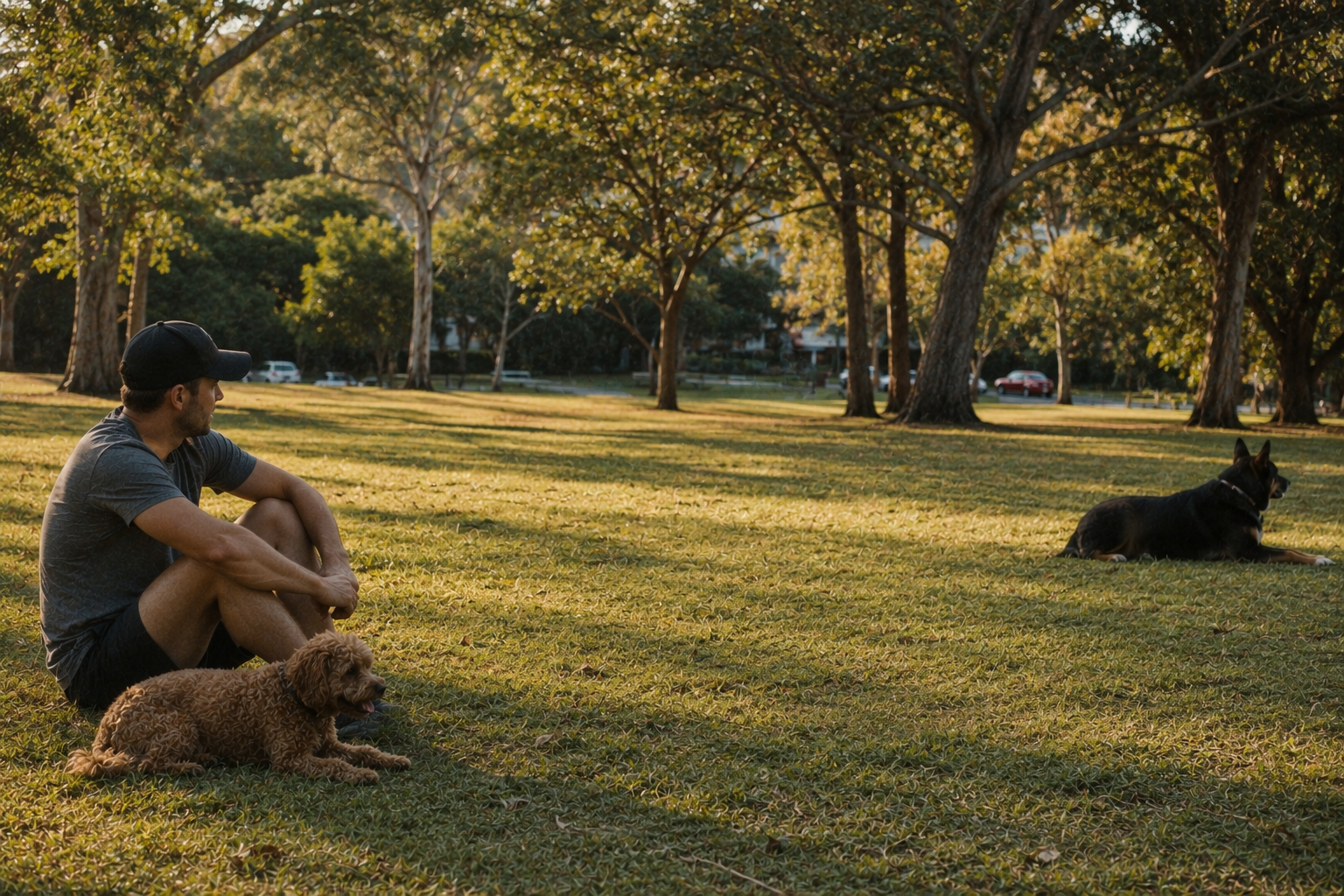
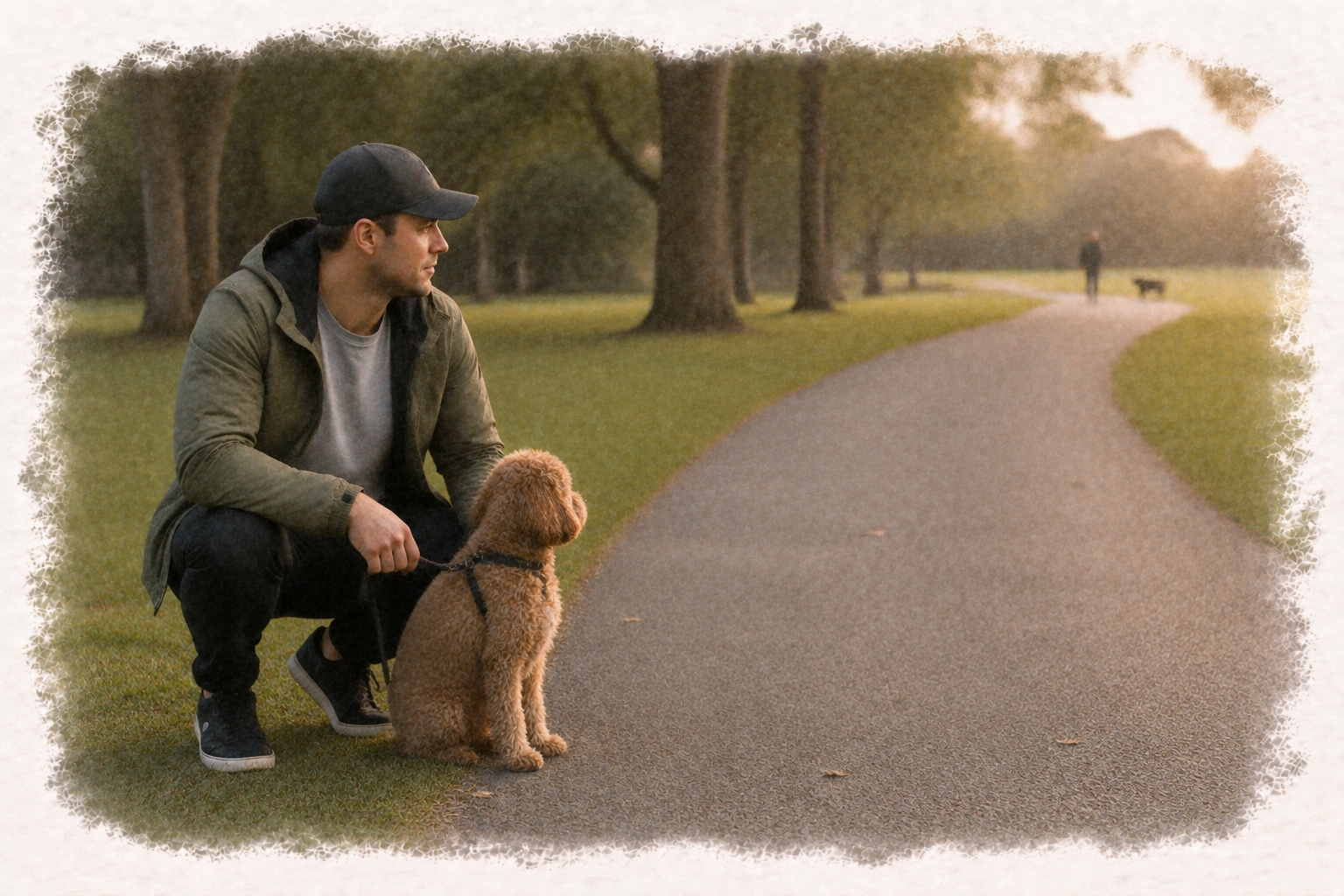
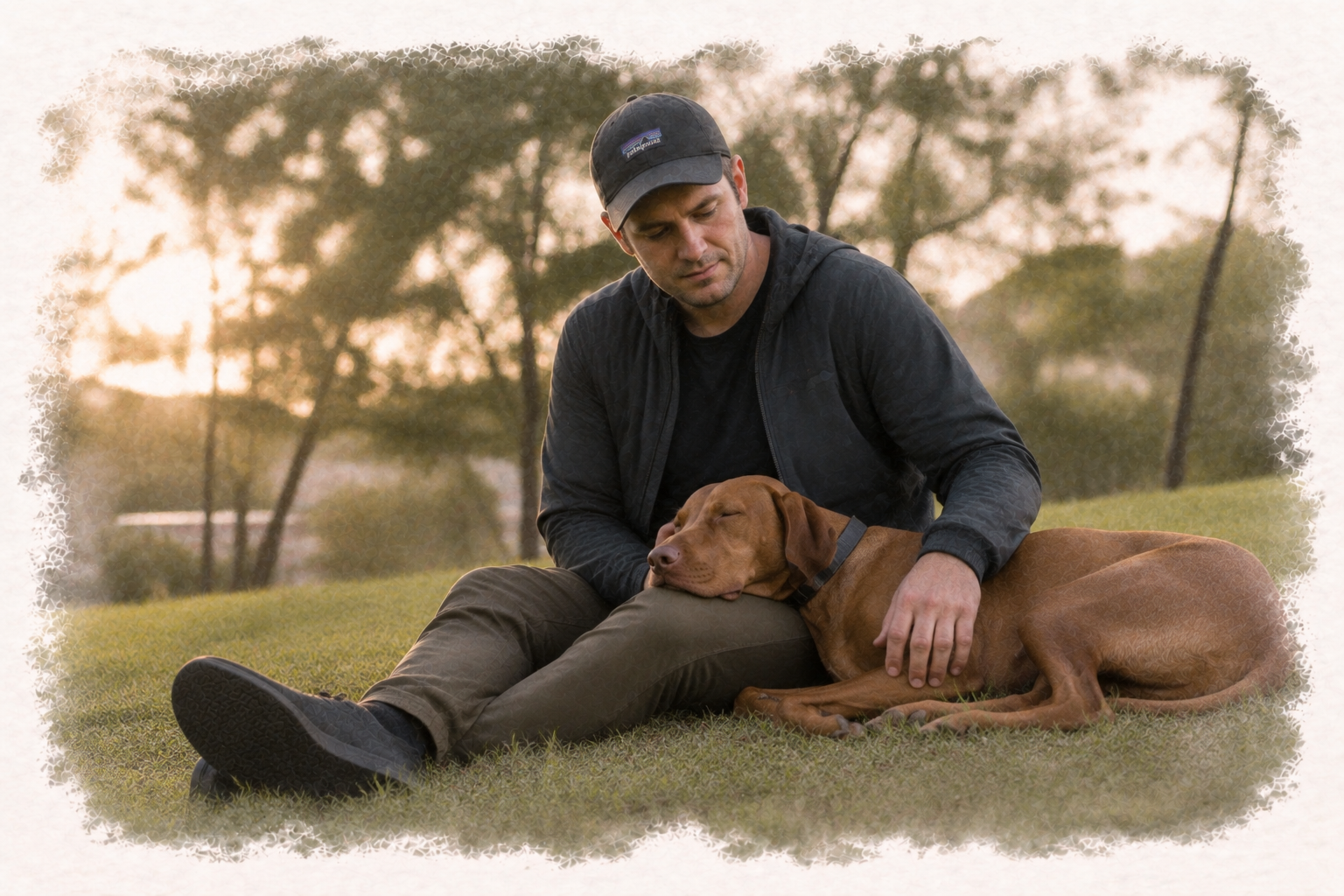
Instead, I sit with them. I help them relax. I let them know they are not alone. I might create space for them physically by increasing the distance from the trigger. I might talk to them, pat them, massage them and yes, sometimes use food.

This takes longer. It is harder work. But it teaches my dog that I am reliable, steady, and safe. Over time, they learn to regulate their emotions better.

Why This Matters for Dog Training in Sydney

Many families I work with in Sydney want quick results. They want a dog that is happy right away. But true dog training is not only about obedience or fast fixes. It’s about emotional health.

If we don’t focus on our dogs emotional health and we put our emphasis on happiness and fleeting moments of happiness instead, then we never actually address the underlying reasons so many dogs are struggling in the first place. Meaning we have to re-address the training problem again and again, because it was never truly addressed in the first place.

A dog that feels safe and well regulated will:


  • Trust you more deeply


  • Bounce back from stress faster


  • Need less “rescue” in the long run


  • Grow into a calmer, more stable companion


This is the kind of training that lasts.

Final Thought

Helping your dog feel safe is like building the foundation of a house. Happiness will come—but safety and calm come first.


👉 If you live in Sydney and need support with dog training, behaviour, or emotional regulation, I can help. Book a call with Bondi Behaviourist today


When my dog is scared, I don’t jump into fun games or treats just to distract them.

I understand why obedience is so attractive.

Ian Shivers

Pet Parent, Dog Trainer & Behaviourist, podcast and content writer

I’m not here to help you create an obedient dog. I’m here to help you create a better life with your dog built on understanding, trust, and meeting both of your needs.


Whether you’re starting fresh with a new puppy or looking to improve life with your current dog, I’m here to guide you with practical, simple, and effective support.


Hi, my name is Ian, and I’ve been working with dogs and their owners since 2007, helping families build calmer, more connected relationships that last. With 150+ five-star Google reviews, I’m proud to be one of Sydney’s highest-rated behaviourists you can trust.

Table of Content

Get Your Free Starter Guide

Trusted by over 4,000 puppy owners, rescue dog owners and owners of dogs with behaviour issues across Sydney.

Ebook - The complete dog training framework

Webinar - A deep dive into the dog training framework

Dog Training Blog

Discounts on Lyka Pet Food

Recent Posts

By Bondi Behaviourist June 16, 2026
Settling isn’t a behaviour you train — it’s a state you create. If your dog can’t switch off at home, the environment is usually the place to start.

By Bondi Behaviourist June 10, 2026
If your dog is reactive or antisocial around other dogs, there is a clear pathway forward. It starts with understanding why — everything else follows from that.
By Ian Shivers June 1, 2026
Two days, small groups, in person. Learn why your dog reacts and what to do about it. Sydney reactivity workshop — 6th & 7th June. Spots almost gone.
By Ian Shivers May 26, 2026
Your dog signals stress before it reacts. Learning to read those signals — and the other dog’s — gives you time to act before the threshold is crossed.
By Bondi Behaviourist May 19, 2026
Play can reduce reactivity or quietly make it worse. It depends on the game, the structure, and whether it matches the dog.
By Bondi Behaviourist May 19, 2026
Your dog’s behaviour is the end of a long chain. Ian Shivers explains the four-lens framework that reveals what’s really driving it — and why fixing it starts upstream.
May 5, 2026
Most reactive dog training targets the wrong moment. Learn why preparation and diagnosis matter more than the walk itself.
By Bondi Behaviourist April 28, 2026
Most reactive dog advice skips the fundamentals. A Sydney dog behaviourist explains the two skills — leash handling and spatial awareness — that make the biggest difference on walks.
By Bondi Behaviourist April 21, 2026
If your dog barks, lunges or shuts down on walks, this is where to start. A Sydney dog behaviourist explains what's really driving reactivity — and the approach that creates lasting change.
Calm dogs
By Bondi Behaviourist April 9, 2026
Most owners reward excitement without realising it. A Sydney dog behaviourist explains why noticing and protecting calm — rather than interrupting it — is one of the most powerful things you can do for your dog.
Show More