
Why Your Dog Needs Both Freedom and Structure

Ian Shivers • September 30, 2025

Share this article

I understand why obedience is so attractive.

Dogs need freedom to move. Running, sniffing, and exploring are part of being a dog. Without this freedom, dogs can feel stressed, anxious, or frustrated. That stress can turn into behaviour problems at home or on walks.

But freedom doesn’t mean your dog should do whatever they want, whenever they want. Living in Sydney means busy streets, footpaths, and lots of people. This is why structure is so important.

Why Dogs Need Freedom

If your dog never gets this freedom, they may bark too much, pull on the leash, or become restless at home. They’ll become anxious, frustrated and because it’s something they fundamentally need, we can use this as a reward too.

Why Structure Matters

In the city, dogs can’t always have free run. On the footpath or in crowded places, your dog needs to walk calmly by your side so that they don’t become the moron that nobody wants to be near and it gives them a framework to understand that there’s are times that walking politely is the expectation. Think of it like putting a seatbelt on your child in the car. It keeps them safe until it’s the right time to play, it’s got to happen, for everyone’s safety. But we’re going somewhere that’s going to be awesome.

When you reach a safe park or appropriate space, then you can give your dog freedom. This way your dog learns:


  • On the leash → walk with me at my pace.


  • Off the leash in safe places → go and explore.


  • Paying attention and walking → worth it.


This balance stops your dog from thinking they can always do what they want. It also helps them feel safe and secure.

Just like people need exercise, dogs need time to move their bodies. Free movement helps them stay healthy and happy. It gives them a chance to burn energy, explore the world, and relax their mind.

How Consistency Helps Your Dog

Dogs do best when the rules are clear. If sometimes you let them pull and sometimes you don’t, they will get confused and upset.

When you are consistent, your dog learns faster and it’s fairer on them too They know when to listen and when they can relax. This makes walks easier for you and less stressful for your dog.

The Best of Both Worlds

Sydney is full of amazing places for dogs, from beaches to parks. With the right training and guidance, your dog can enjoy both structure and freedom. Clear rules make your dog calmer, happier, and easier to live with.

Dog training in Sydney is not just about obedience. It’s about helping your dog understand when to focus and when to play. A healthy dog is a happy dog, and a happy dog is great to live with.

👉 Want help finding the right balance for your dog? Book a free discovery call today with Bondi Behaviourist. Together we’ll build a plan that works for you and your pup.

I understand why obedience is so attractive.

Ian Shivers

Pet Parent, Dog Trainer & Behaviourist, podcast and content writer

I’m not here to help you create an obedient dog. I’m here to help you create a better life with your dog built on understanding, trust, and meeting both of your needs.


Whether you’re starting fresh with a new puppy or looking to improve life with your current dog, I’m here to guide you with practical, simple, and effective support.


Hi, my name is Ian, and I’ve been working with dogs and their owners since 2007, helping families build calmer, more connected relationships that last. With 150+ five-star Google reviews, I’m proud to be one of Sydney’s highest-rated behaviourists you can trust.

Table of Content

Get Your Free Starter Guide

Trusted by over 4,000 puppy owners, rescue dog owners and owners of dogs with behaviour issues across Sydney.

Ebook - The complete dog training framework

Webinar - A deep dive into the dog training framework

Dog Training Blog

Discounts on Lyka Pet Food

Recent Posts

By Bondi Behaviourist • October 28, 2026
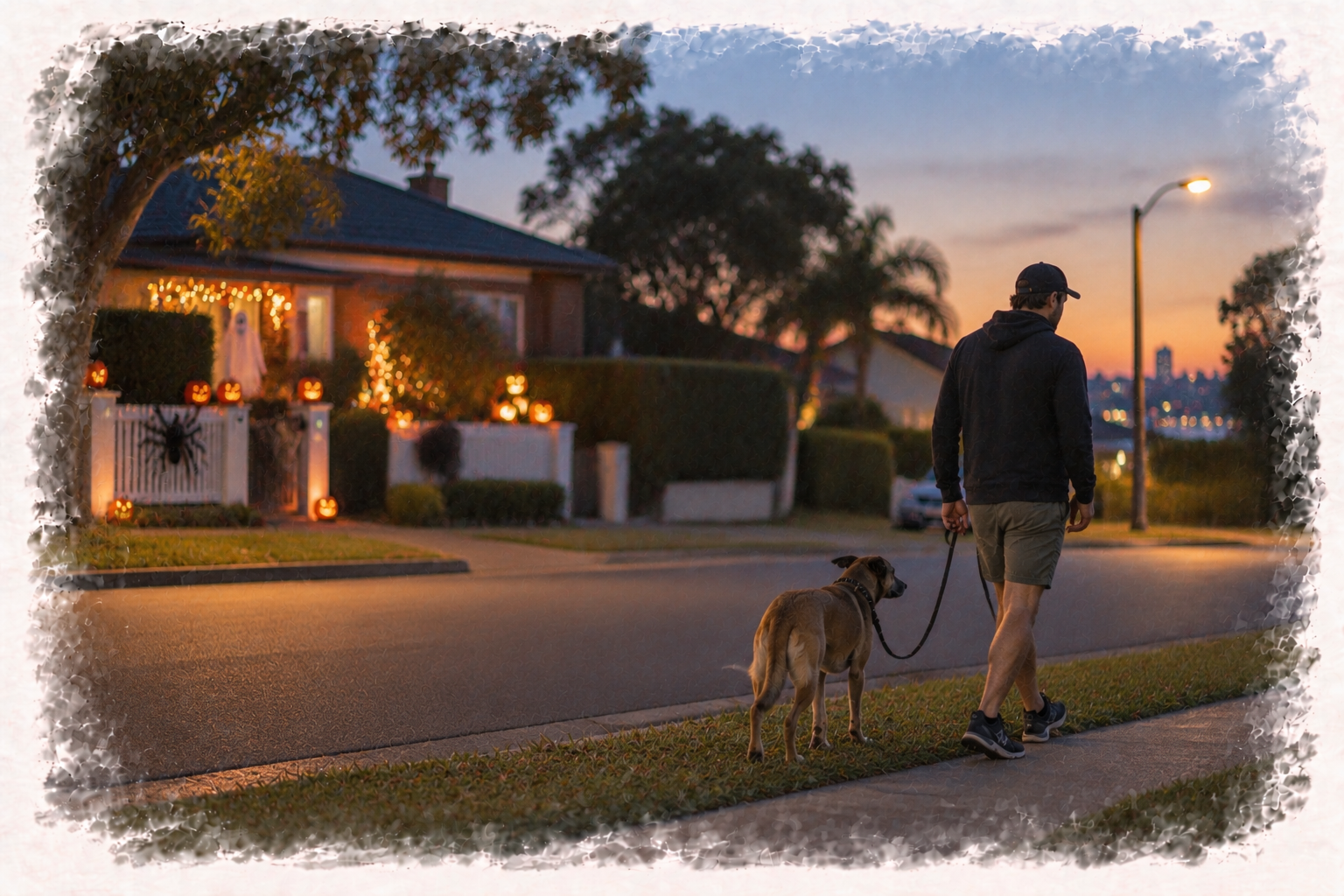
The decorations are already out and sensitive dogs are already struggling. A few days of shorter, quieter walks now saves you a much harder fortnight later.
By Bondi Behaviourist • October 22, 2026
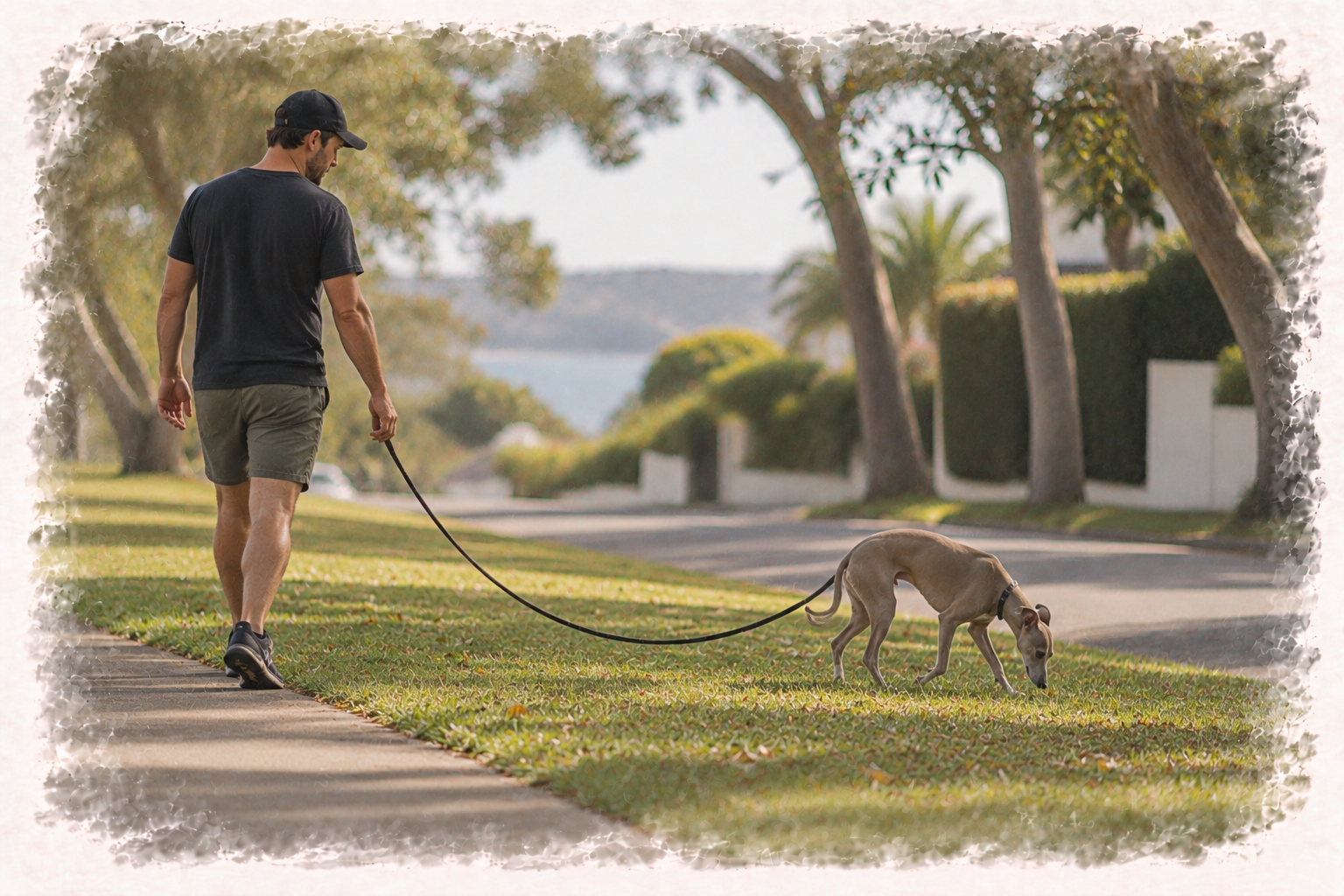
Slip, flexi, bungee or flat — your lead changes how your dog feels and how well you can handle things. Plus the one I have never thought was a good idea.
By Bondi Behaviourist • October 14, 2026
A lead is not just for walks. Used indoors it stops a dog rehearsing the barking, keeps them in the room, and teaches them what calm looks like.
By Bondi Behaviourist • October 7, 2026
Standing still and turning away make jumping up worse, not better. Work out what your dog is actually after, then give them a calmer way to get it.
By Bondi Behaviourist • September 24, 2026
Leadership in dog training has been dragged somewhere unhelpful. It is not dominance or assertion. It is clarity, consistency, and providing genuine safety.
By Bondi Behaviourist • September 23, 2026
Some growling and snapping is contextually normal, particularly in breeds bred for conflict. The question that matters is whether it’s a one-off or a pattern.
By Bondi Behaviourist • September 16, 2026
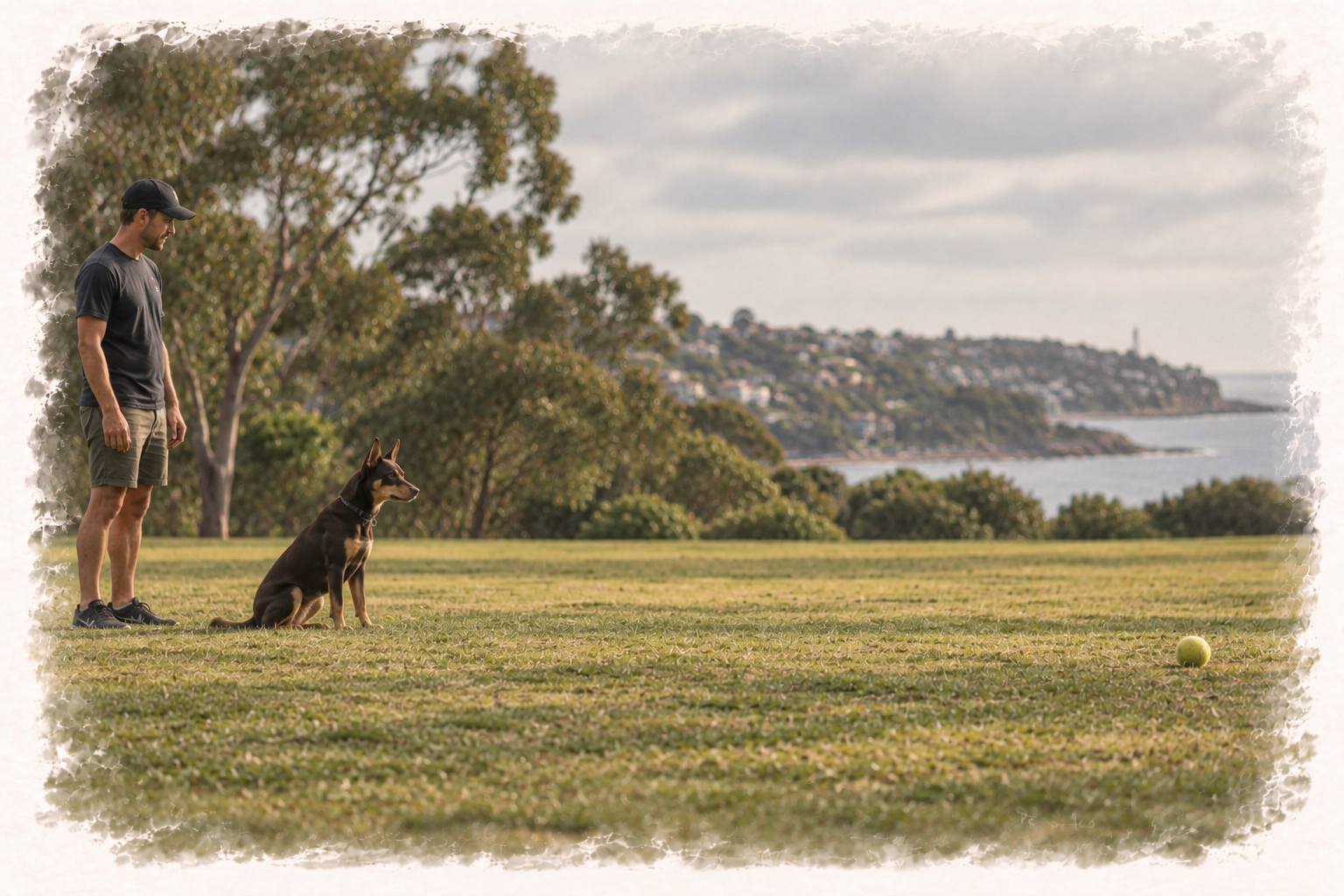
The ball is not the problem. How you play it and where you play it are. A structured game builds thinking, and the dog park is the wrong place for it.
By Bondi Behaviourist • September 7, 2026
Most dog advice online is generic and contradictory. TRACE the AI Dog Trainer is built on one behaviourist’s methodology, monitored by a human, and knows when to refer you on.
By Bondi Behaviourist • September 2, 2026
One dog met fifty others growing up and still couldn’t cope. Socialisation is about breadth and quality, not the number of dogs your dog has met.
By Bondi Behaviourist • August 25, 2026
One label never captures a dog. Confidence, sensitivity, and recovery style move independently — and reading only one is why plans quietly fail.

Show More