
Clarity teaches. Consistency reassures. Kindness connects.

Bondi Behaviourist • April 8, 2026

Share this article

One thing that us as a species is really good at… is grouping information.


“We’re heading out.”
“We’re doing this.”
“We’re going for a walk.”


It becomes one simple idea in our mind.


But for your dog?


It’s a sequence.


A series of small moments that all mean something.


  • You stand up.
  • You move toward the door.
  • You grab your shoes.
  • You reach for the lead.


To you, it’s just getting ready.


To your dog… it’s information.


And working dogs, especially, are very, very good at reading that information. Because they’re built for it.


  • They thrive on being involved.
  • They thrive on having a role.
  • They thrive on understanding what’s about to happen and knowing what to do.


But when there’s no clarity… they fill the gap.


And what that often looks like is rushing you.


  • They don’t wait.
  • They jump ahead.
  • They start pulling at your shoelaces.
  • Barking while you grab things.
  • Spinning, pacing, chasing.


Not because they’re being “naughty”… But because they’re trying to be part of it… without knowing how.


And this is where things start to tip over.

Excitement builds.
Then it stacks.
Then it spills.

Until the whole thing feels rushed, messy, and harder than it needs to be.


The shift isn’t about always removing your dog from the process. It can be the opposite.


It’s about bringing them into it… properly. Giving them clarity.


“Stay there.”
“Wait.”
“Good.”

“Now Get Stuck In.”


Simple. Clear. Repeatable.


Now they know how to be involved.


Now they’re part of the process… without taking it over.


Because here’s the reality.


Most dogs don’t actually want to rush you. They want to work with you.


They want to understand what’s going on. They want to know how to get it right.


And when you give them that… Life gets easier.


  • You can move around your home without being shadowed and pressured.
  • You can get ready without being interrupted.
  • You can go about your day without feeling hurried.


And your dog?


  • They’re still there.
  • Still engaged.
  • Still interested.
  • Still happy.
  • But steady.


And then… when it’s time… You give them the cue.


“Go be free.”


And now it means something.


  • Because it’s clear.
  • Because it’s the right time.
  • Because you've been engaged.
  • Because it fits into a structure they understand.


That balance…


Involved when it matters.


Free when it’s appropriate.


That’s what makes working dogs not just manageable… But enjoyable to live with.

If you’d like help applying this and in doing so, improving your and your your dogs lives, I can support you in a few different ways.

Through Canine Caregivers, I offer online courses and webinars to build understanding, structure, and consistency at your pace.

If you’re based in Sydney, I also offer 1:1 training across Sydney, socialisation classes, and can provide all recommended training equipment to support the work we’re doing.

I offer The Complete Care training program that covers every single base you will need as well as The Starter Program which allows you to tailor the training and support you need with flexibility.

— Ian

 Bondi Behaviourist


“A healthy dog is a happy dog and a happy dog is great to live with”.

Ian Shivers

Pet Parent, Dog Trainer & Behaviourist, podcast and content writer

I’m not here to help you create an obedient dog. I’m here to help you create a better life with your dog built on understanding, trust, and meeting both of your needs.


Whether you’re starting fresh with a new puppy or looking to improve life with your current dog, I’m here to guide you with practical, simple, and effective support.


Hi, my name is Ian, and I’ve been working with dogs and their owners since 2007, helping families build calmer, more connected relationships that last. With 150+ five-star Google reviews, I’m proud to be one of Sydney’s highest-rated behaviourists you can trust.

Table of Content

Get Your Free Starter Guide

Trusted by over 4,000 puppy owners, rescue dog owners and owners of dogs with behaviour issues across Sydney.

Ebook - The complete dog training framework

Webinar - A deep dive into the dog training framework

Dog Training Blog

Discounts on Lyka Pet Food

Recent Posts

By Bondi Behaviourist • November 18, 2026
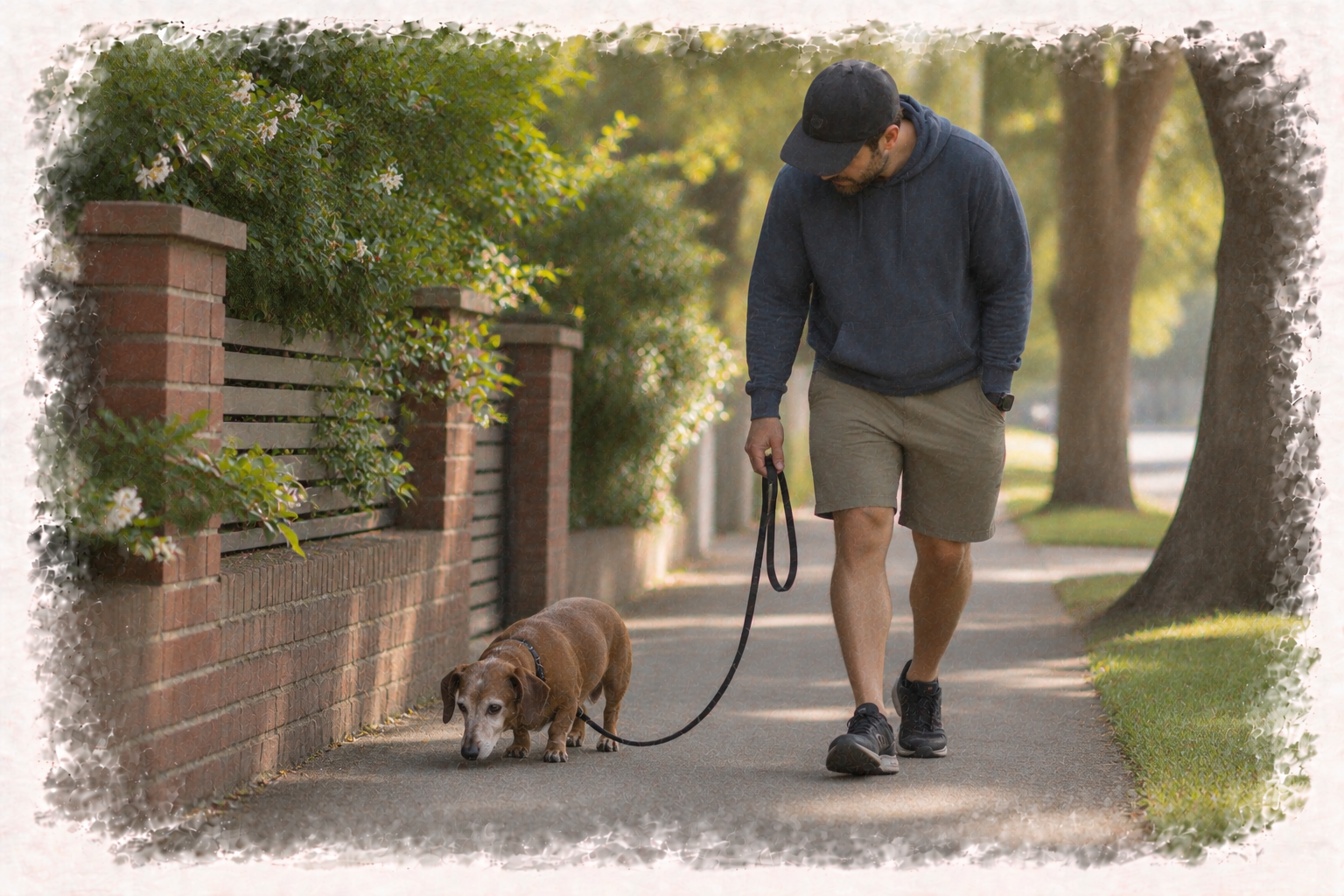
A walk is not automatically good for a dog. Who holds the lead, where they go and how well they read your dog decides whether it helps or sets you back.
By Bondi Behaviourist • November 17, 2026
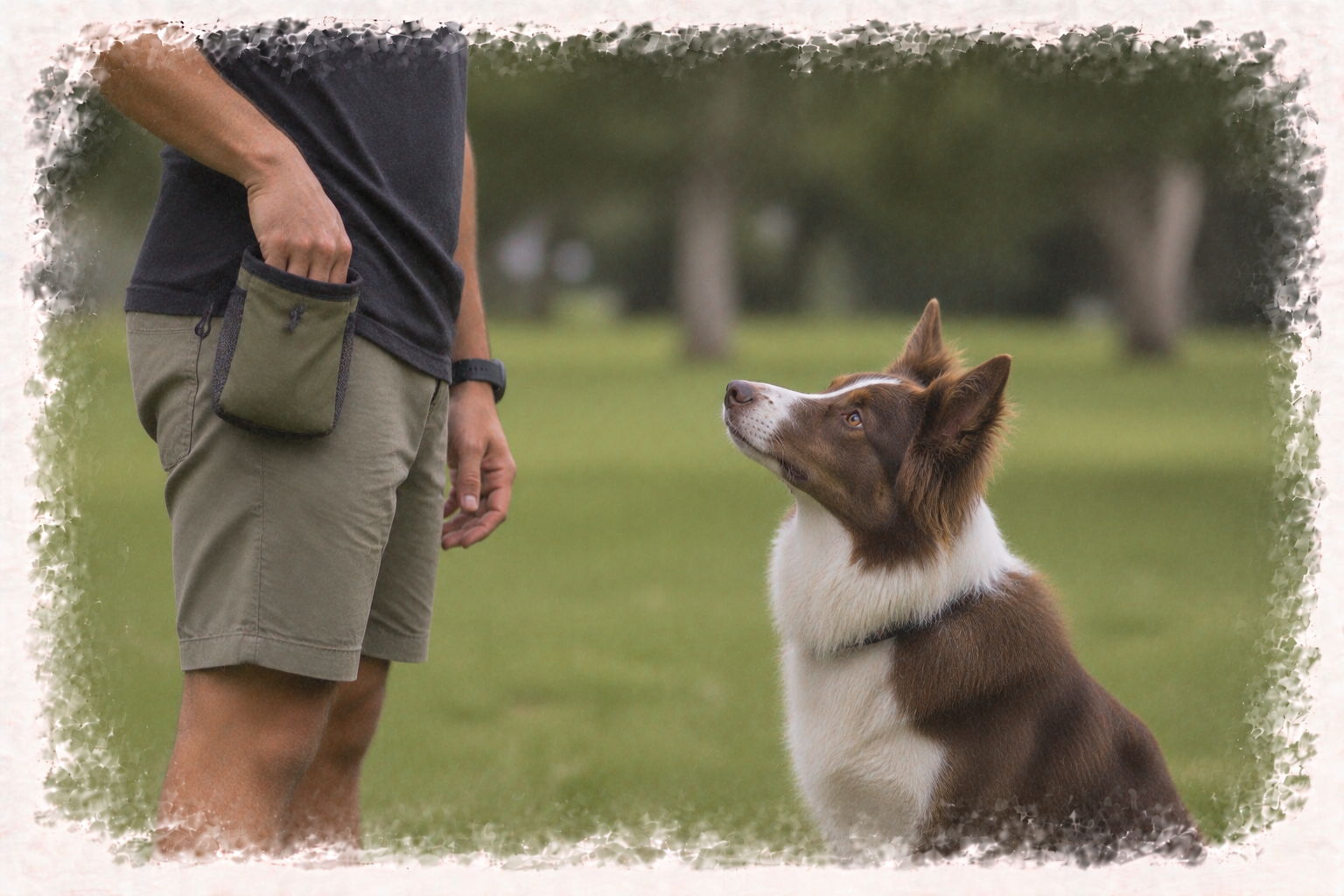
Pay heavily while they learn, then make it a lottery. How often to reward, what to use, and what to do when a trained behaviour starts falling apart.
By Bondi Behaviourist • November 11, 2026
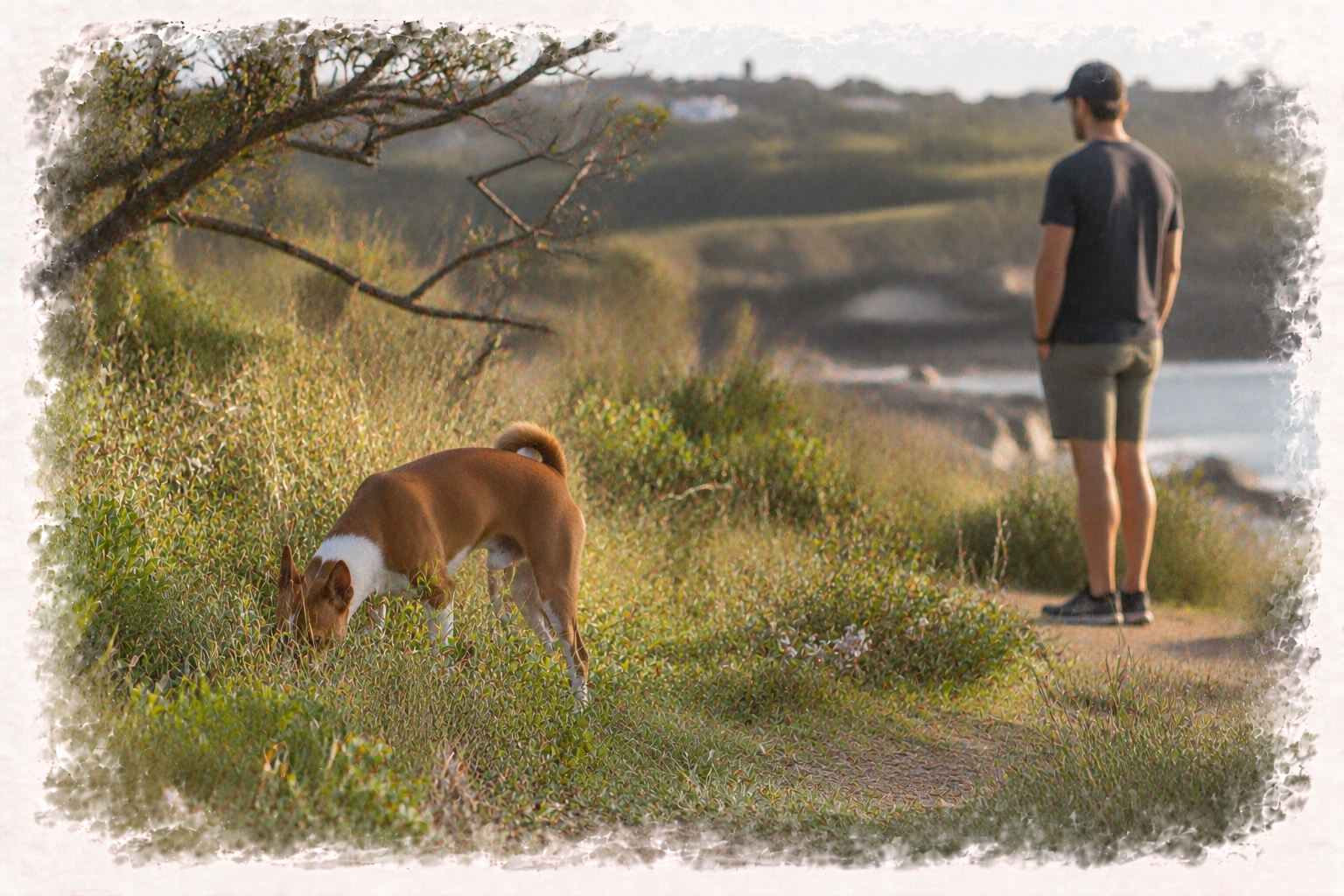
A narrow range of behaviour is a recognised welfare red flag. If your dog can only do one thing, that is worth looking at rather than leaning into.
By Bondi Behaviourist • November 4, 2026
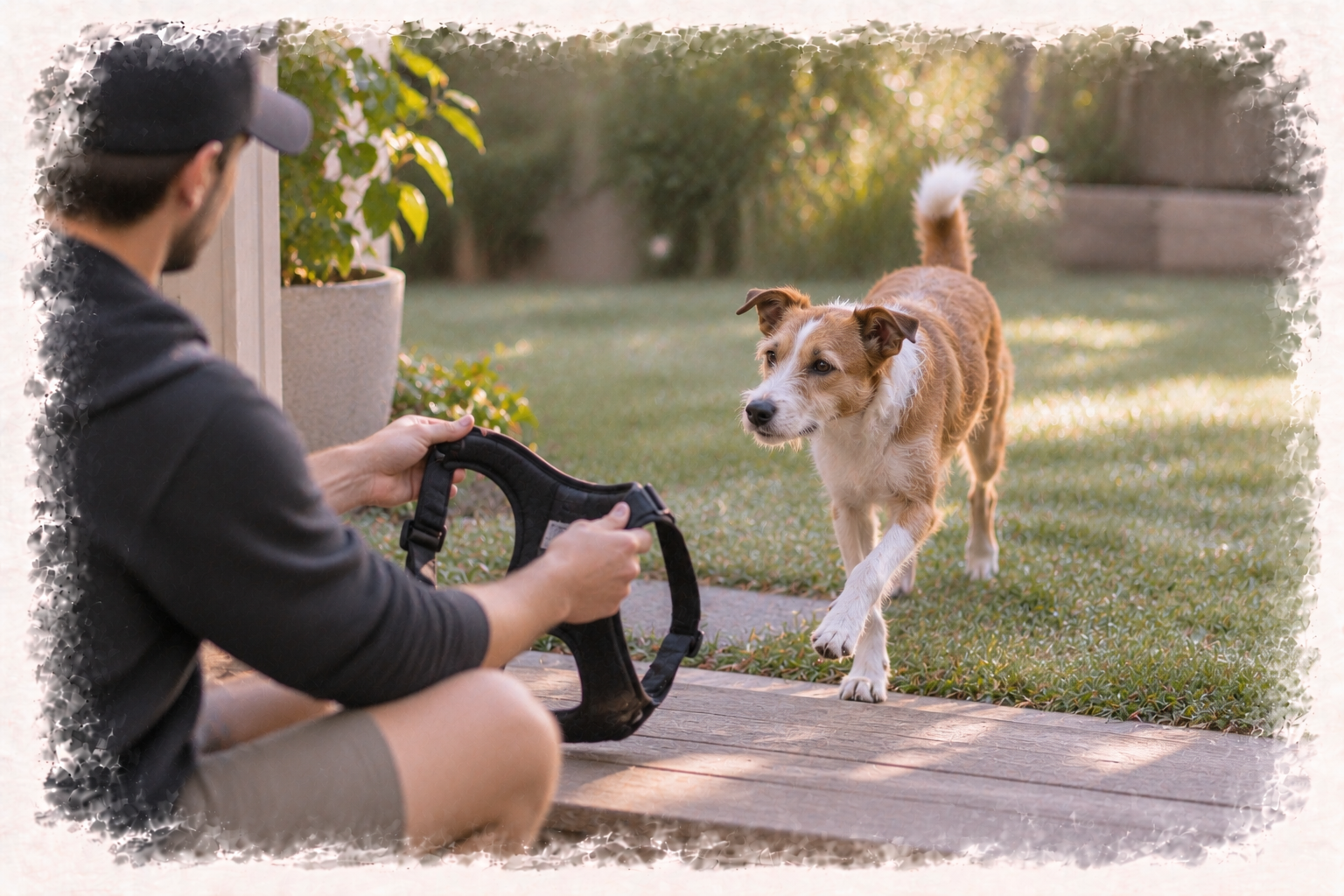
A harness cannot train your dog not to pull. What it can do is change where the pressure lands — and that is worth understanding before you buy one.
By Bondi Behaviourist • October 28, 2026
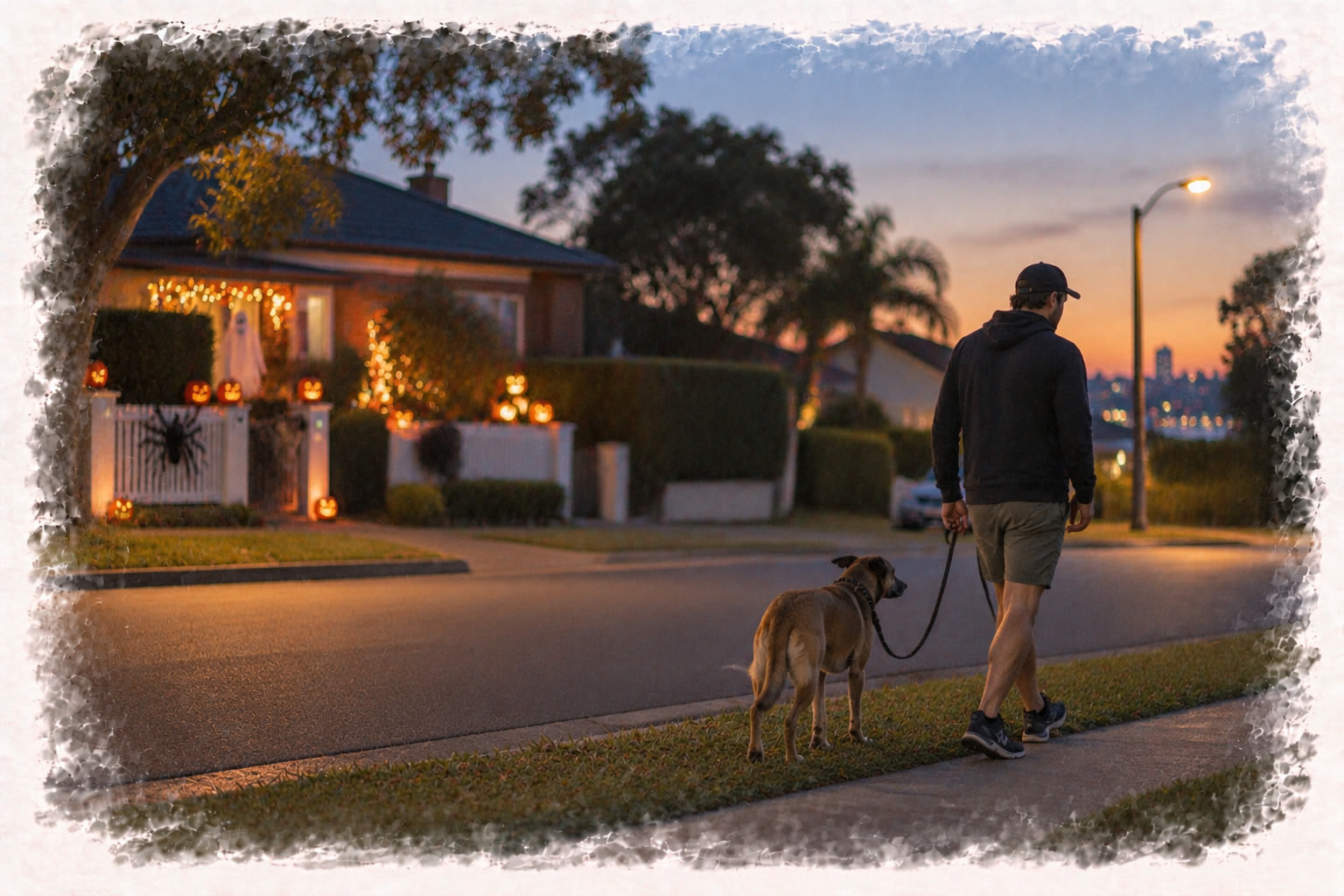
The decorations are already out and sensitive dogs are already struggling. A few days of shorter, quieter walks now saves you a much harder fortnight later.
By Bondi Behaviourist • October 22, 2026
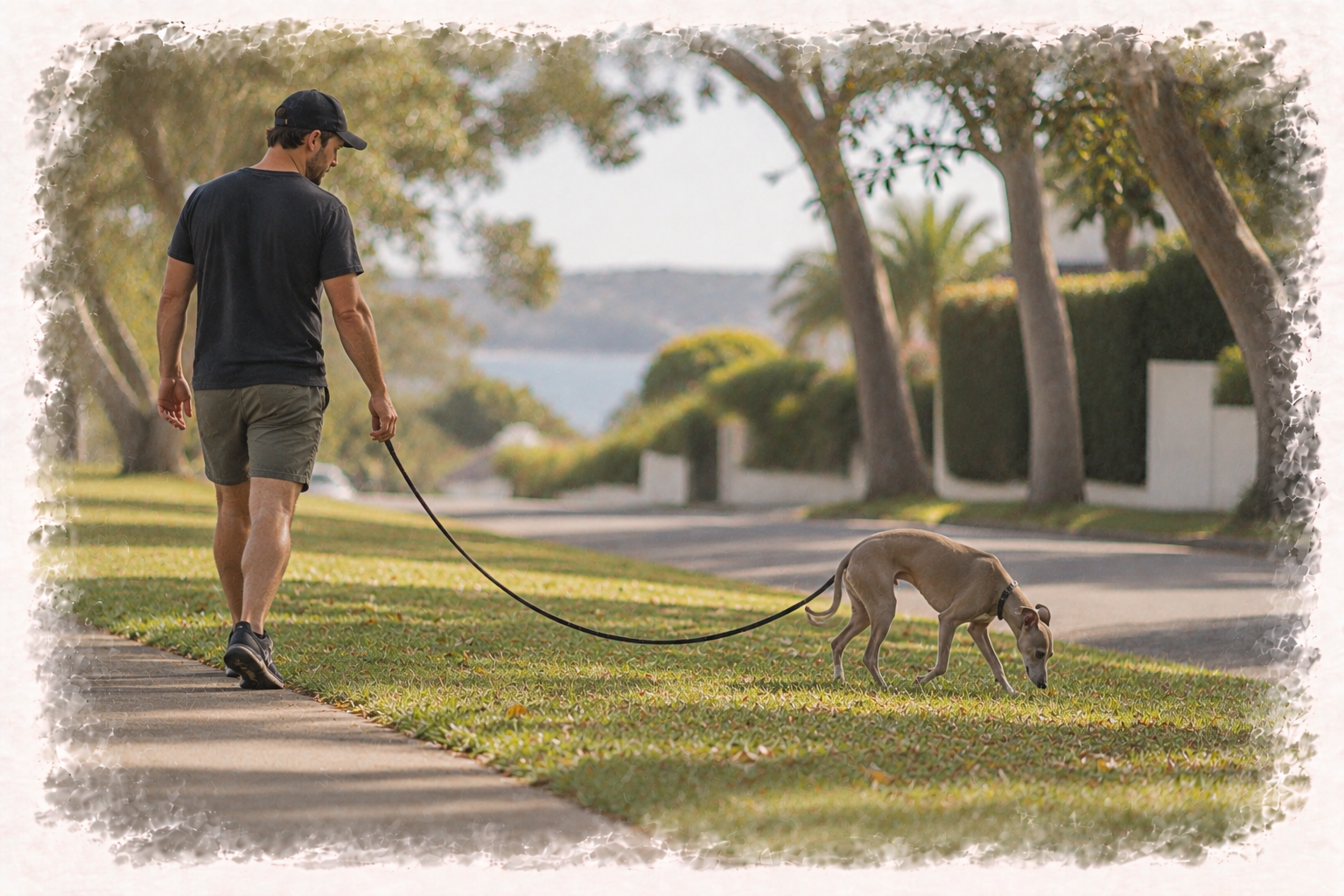
Slip, flexi, bungee or flat — your lead changes how your dog feels and how well you can handle things. Plus the one I have never thought was a good idea.
By Bondi Behaviourist • October 14, 2026
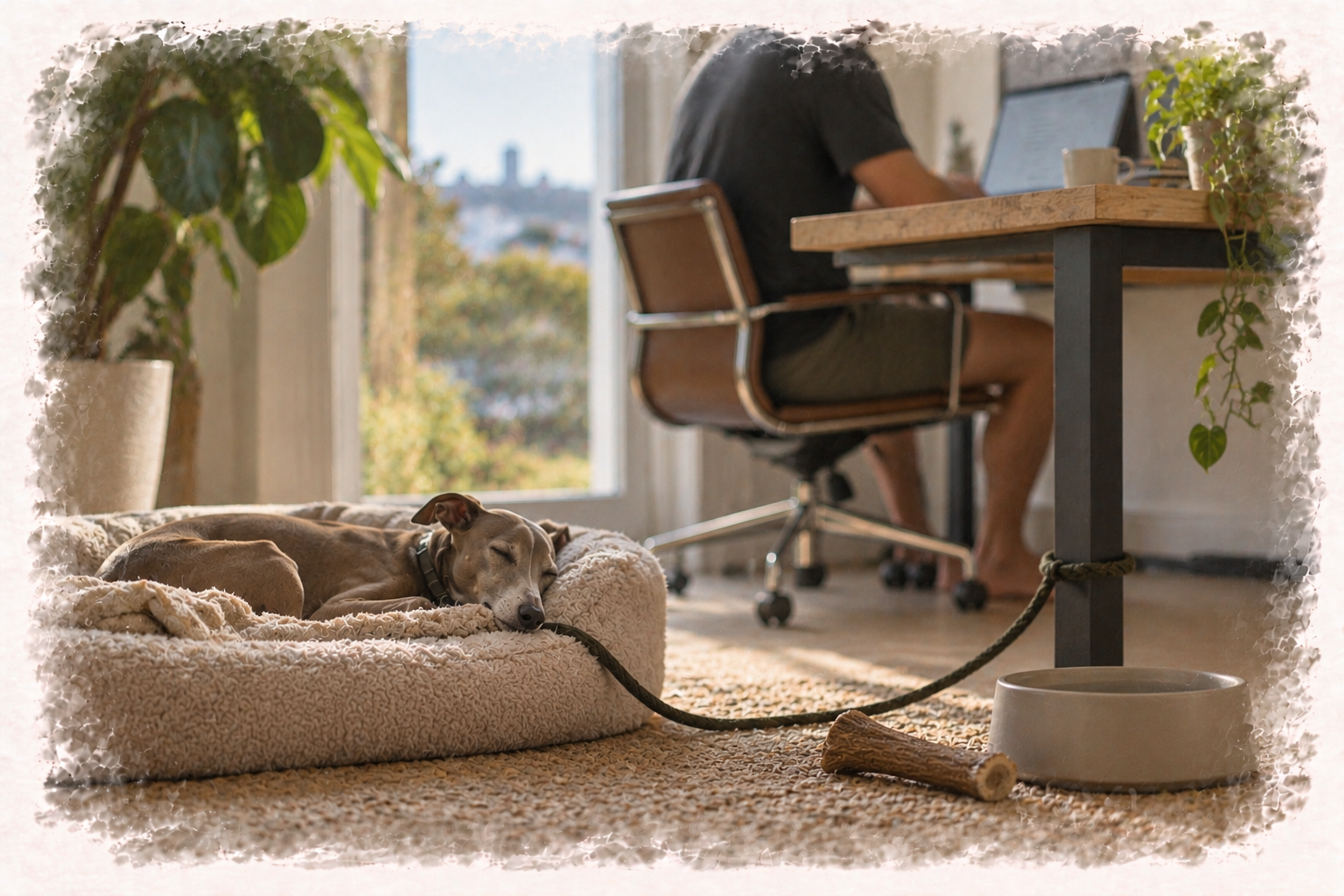
A lead is not just for walks. Used indoors it stops a dog rehearsing the barking, keeps them in the room, and teaches them what calm looks like.
By Bondi Behaviourist • October 7, 2026
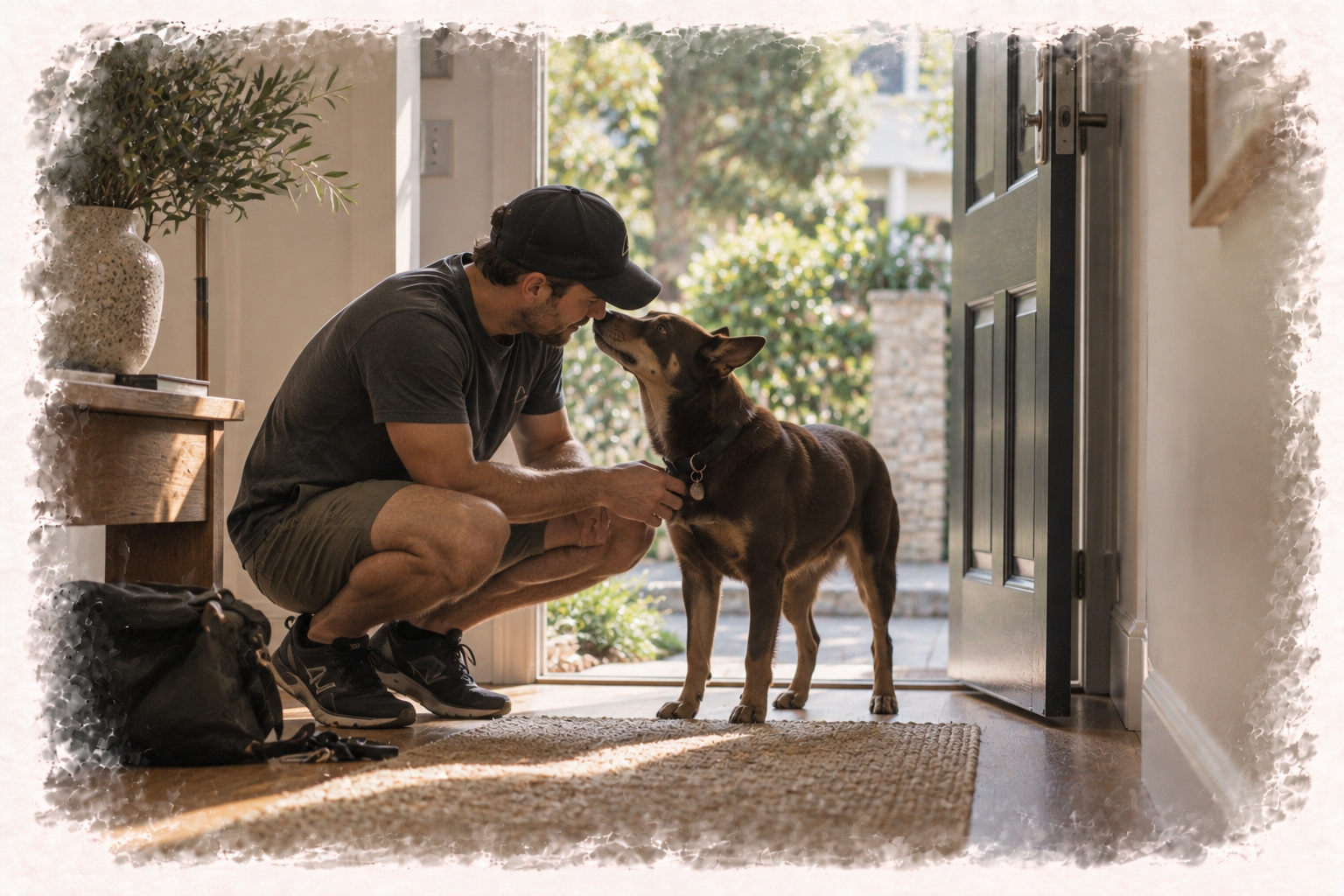
Standing still and turning away make jumping up worse, not better. Work out what your dog is actually after, then give them a calmer way to get it.
By Bondi Behaviourist • September 24, 2026
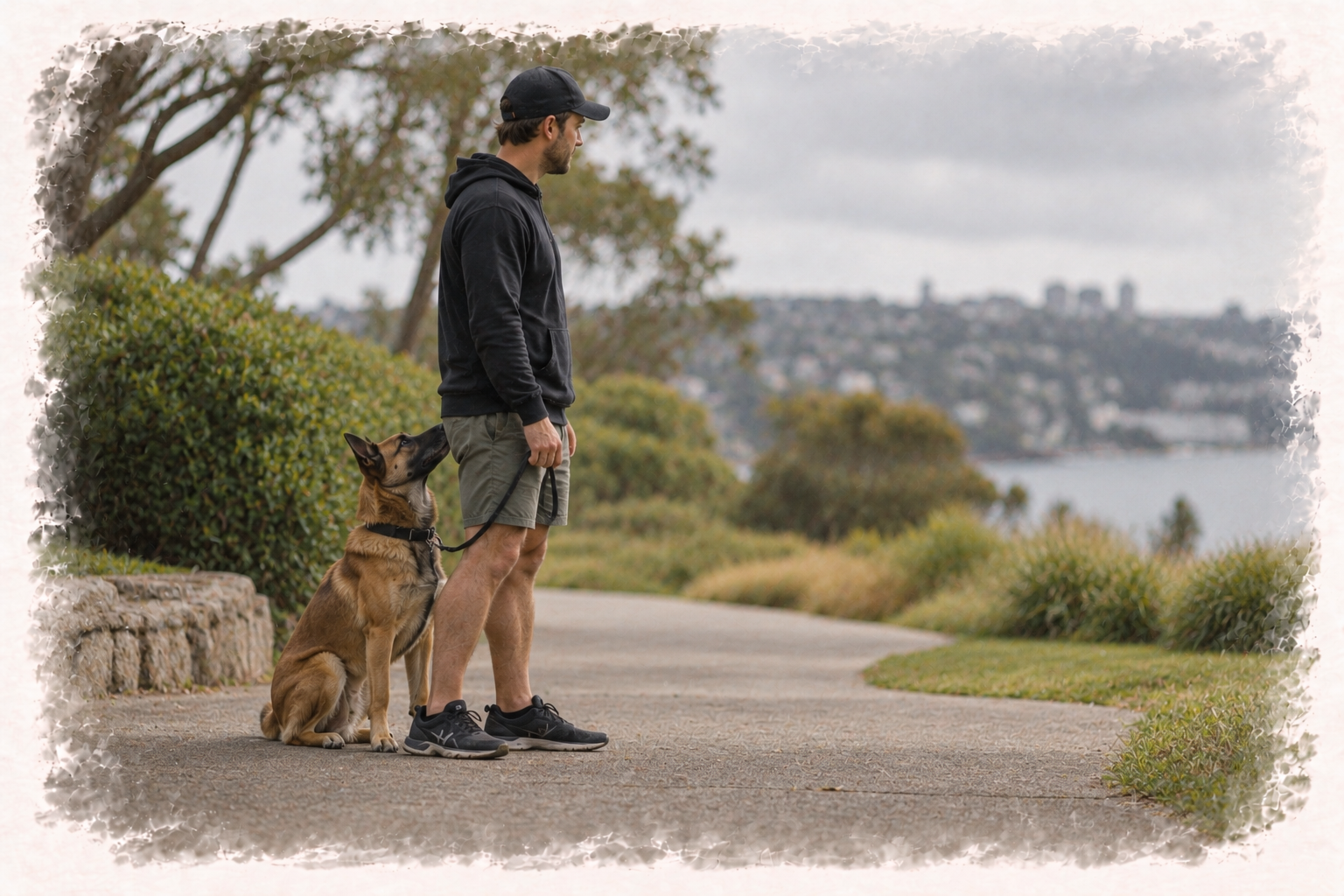
Leadership in dog training has been dragged somewhere unhelpful. It is not dominance or assertion. It is clarity, consistency, and providing genuine safety.
By Bondi Behaviourist • September 23, 2026
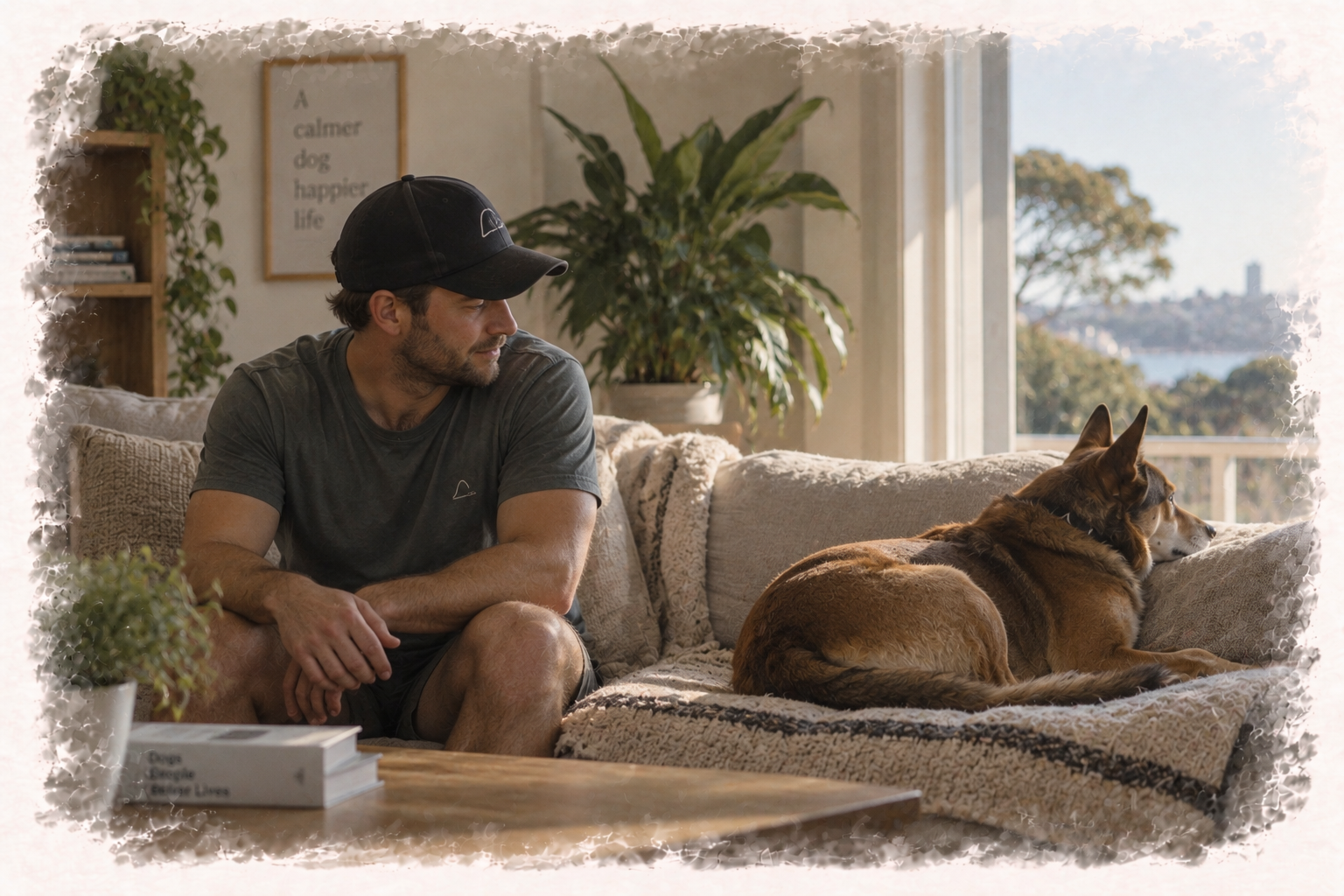
Some growling and snapping is contextually normal, particularly in breeds bred for conflict. The question that matters is whether it’s a one-off or a pattern.

Show More