Settling Is Not Something You Train. It’s Something You Create.
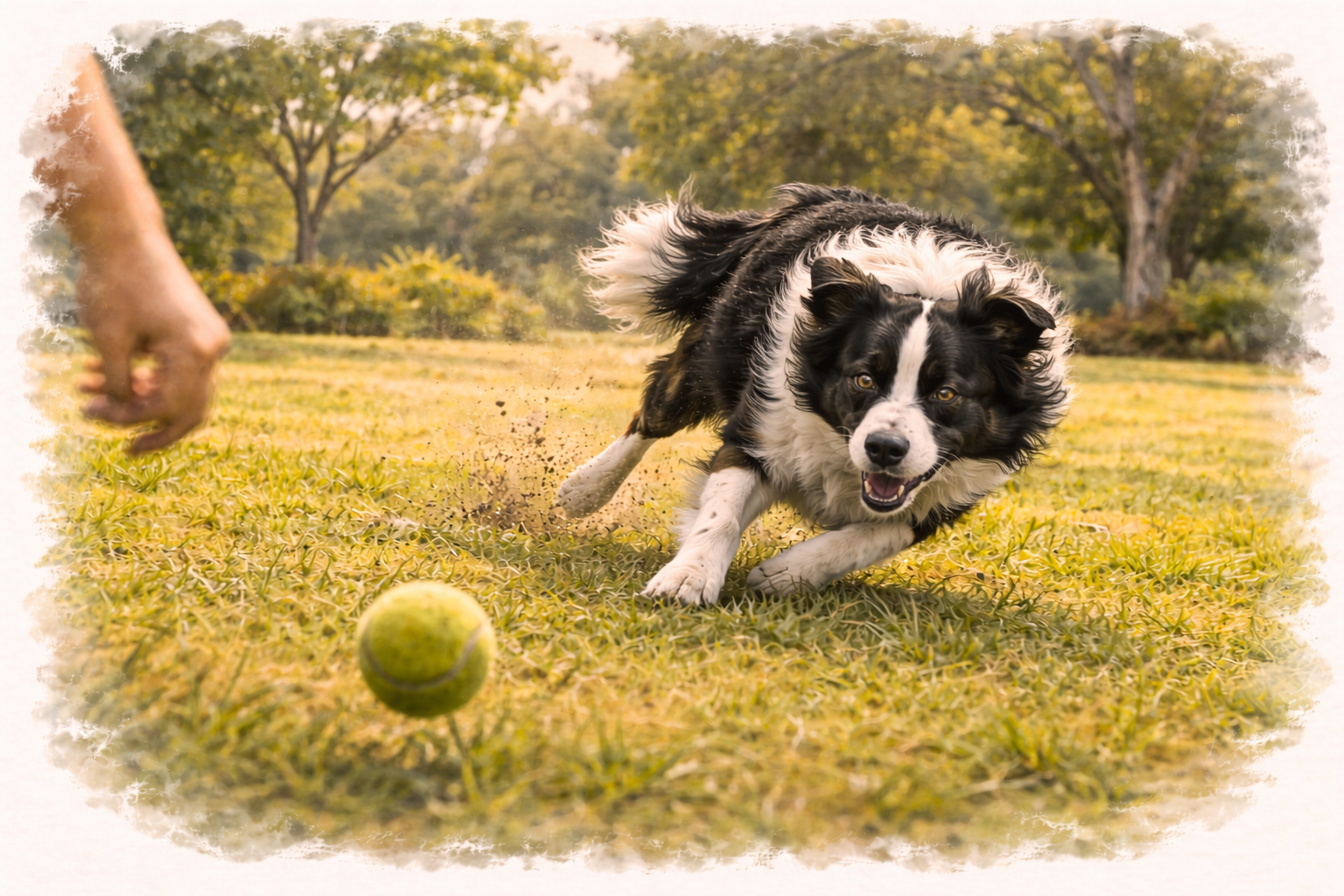
The owner sits across from me. Their dog has been pacing since they came in. They have checked every corner of the room. They have sniffed everything twice. They have tried to climb on the couch, tried to get out the door, nudged their owner’s hand four times.
“We’ve tried teaching them to settle,” the owner tells me. “They just won’t do it.”
The problem is not that the dog hasn’t learned the cue. The problem is that the dog is not in a state where settling is possible. You cannot train a dog into calm. You can only create the conditions where calm becomes the natural outcome.
That distinction changes everything about how you approach this.
What Settling Actually Is
Settling is a physiological state. It is the nervous system coming down from arousal and finding a stable, resting baseline. It is not a behaviour in the way that sit or drop is a behaviour. It is not something a dog chooses to perform. It is something a dog’s body does when the conditions allow it.
A dog that lies down on command is not necessarily settled. They may be lying down while their nervous system is still running hot — eyes tracking movement, muscles tense, ready to react. That dog has complied. They have not settled.
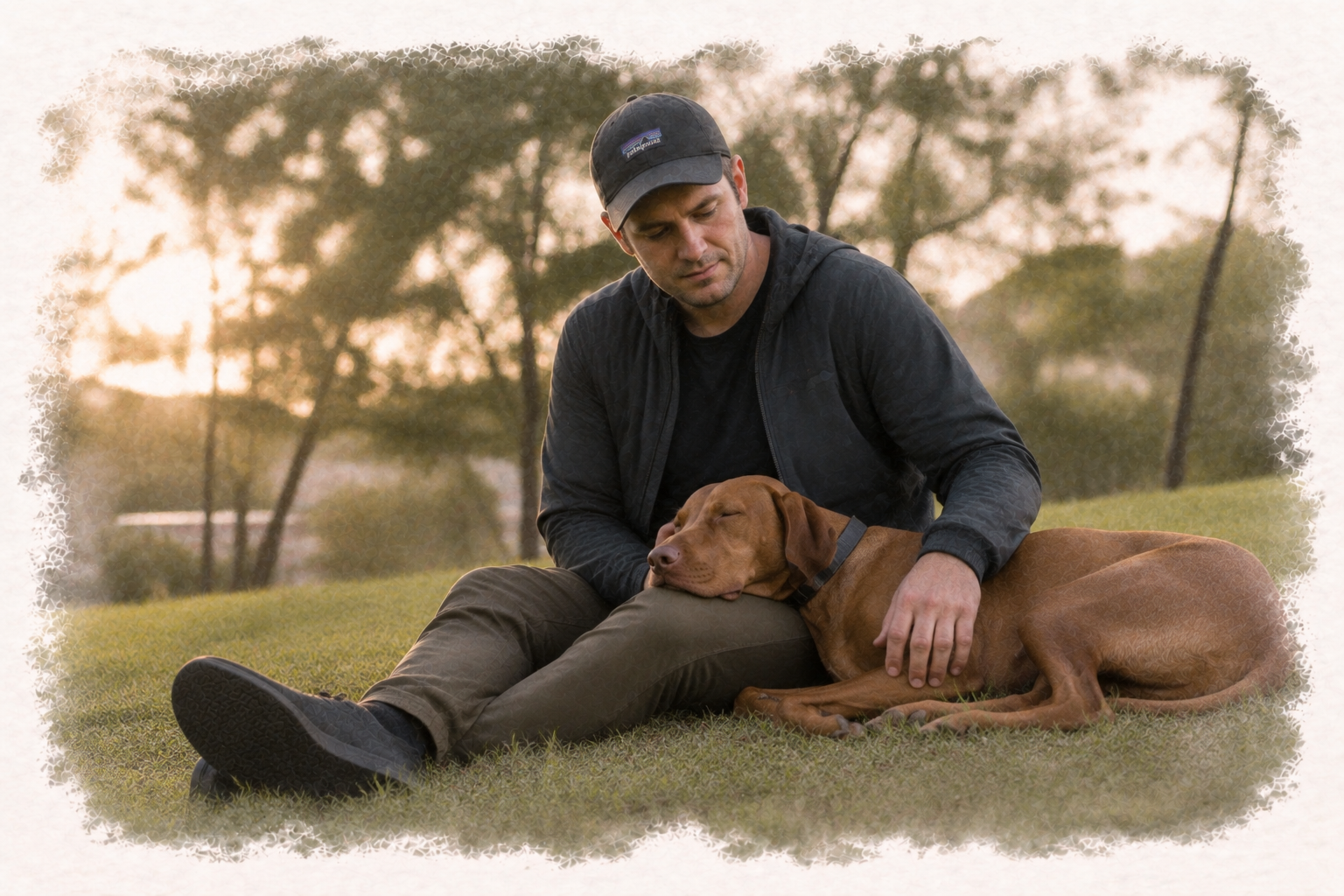
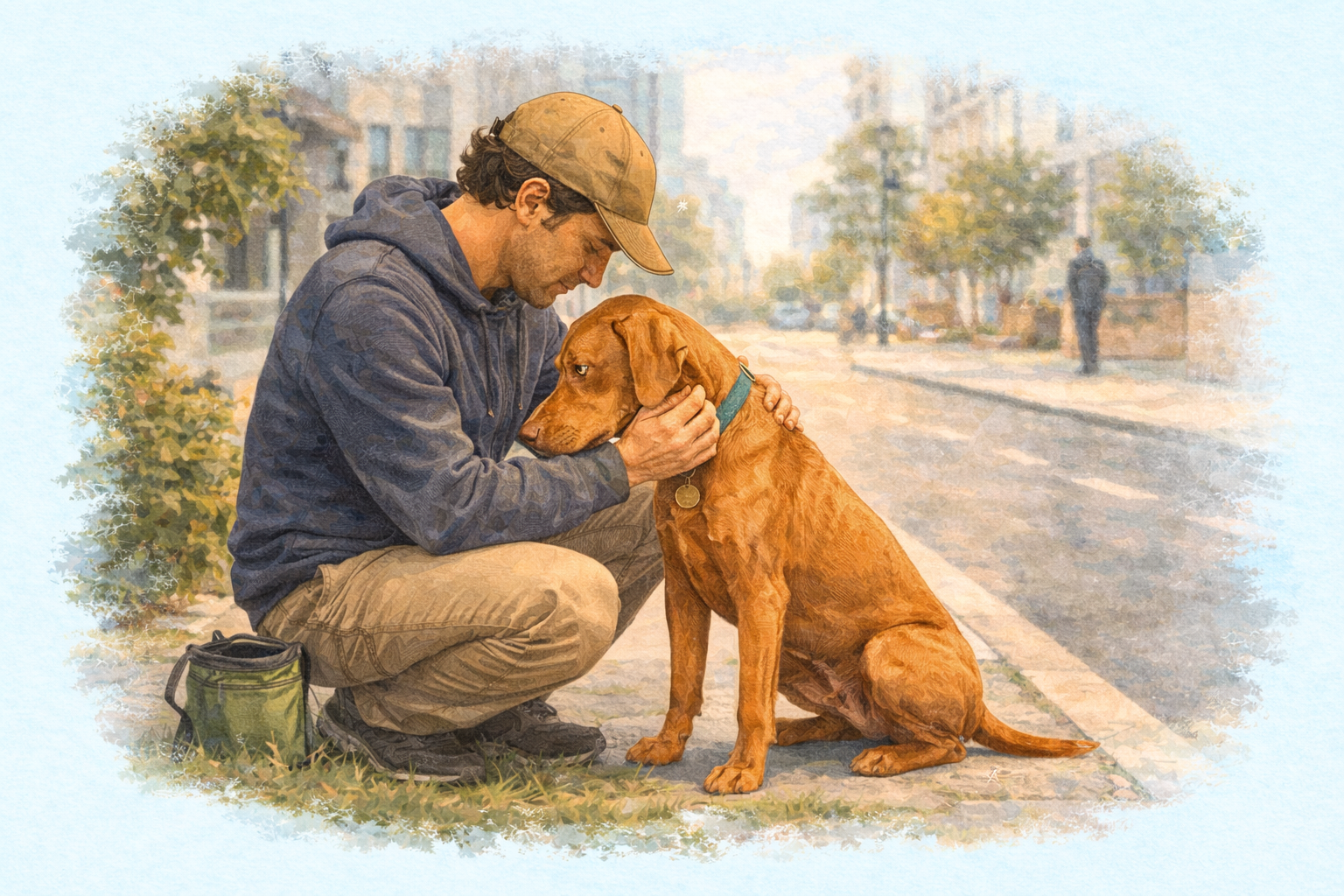
A genuinely settled dog looks different. Their muscles are soft. Their breathing is slow. Their eyes are heavy or closed. Their body has weight to it. That dog is not managing their arousal. Their arousal has genuinely come down.
Understanding the difference matters because the two states require completely different responses. One calls for more training. The other calls for a different environment.
The Home Is the Variable
Most owners look at their dog’s inability to settle as a dog problem. It is more often a home problem.
The home environment is running constant input into the dog’s nervous system. Every sound, every movement, every visitor, every opened door, every screen, every raised voice, every change in routine — these are all signals the dog is processing. Most of them are low level. But they accumulate.
A dog that cannot settle at home is often a dog whose home has never given them a long enough quiet period to actually come down. The inputs keep arriving faster than the nervous system can clear them. The dog stays elevated. They look restless, attention-seeking, unable to relax. It is a stress response to a home that never fully quietens.
This is not about having a calm household or a quiet life. It is about understanding that the dog’s arousal level is being shaped by their environment constantly — and that if you want them to settle, the environment has to give them somewhere to land.
What the Environment Needs to Provide
Sleep is the most important and most overlooked variable. Adult dogs need significantly more sleep than most owners realise — between twelve and sixteen hours in a twenty-four hour period. Dogs that are not getting genuine sleep are operating on a chronically elevated baseline. They cannot settle during the day because their nervous system has never fully recovered from the day before.
The sleeping space matters. A dog sleeping in a high-traffic area, in a room with a television on, or somewhere they feel they need to monitor their surroundings, is not getting restorative sleep. They are resting lightly while staying alert. That is not recovery.
While it's important to not be too rigid at the risk of creating a dog that is brittle without the routine, Having predicability in the fundamentals of their day matters. Dogs are pattern animals. A home with a predictable rhythm — consistent wake times, consistent feeding, consistent walk times, consistent quiet periods — gives the nervous system something it can anticipate. Anticipation reduces vigilance. Reduced vigilance allows the dog to come down.
Stimulation needs to be managed, not maximised. The instinct of many owners is to give their dog more — more walks, more play, more interaction — in the hope that they will tire out and settle. For some dogs this works. For others, particularly anxious or highly aroused dogs, more stimulation simply raises the ceiling. They become more activated, not less. The answer for those dogs is not more input but better quality input — calm enrichment, sniff work, rest periods that are genuinely protected.
The timing of feeding affects arousal. A dog fed immediately before a period where you want calm will be in a post-meal state that can actually support settling — digestion activates the parasympathetic nervous system, which is the same system responsible for rest and recovery. Used deliberately, mealtimes can become an anchor for calm periods in the day.
What to Stop Doing
Rewarding the dog when they finally lie down. This sounds counterintuitive. But if a dog lies down and immediately receives attention, food, or interaction, the settling behaviour becomes a cue for engagement rather than a transition into genuine rest. They learn to lie down briefly in order to receive something, then get back up. The settling never deepens.
Engaging with attention-seeking during the wind-down period. A dog that nudges, paws, barks, or paces to get interaction in the evening is a dog trying to keep their arousal level up. Responding — even to redirect, even calmly — confirms that the behaviour produces contact. The pattern continues.
Allowing free access to high-stimulation spaces during rest periods. A dog that can move freely through a busy home during the times you want them to settle will not settle. The environment is too interesting. Containment in a calm, familiar space — a crate, a pen, a designated room — removes the option to self-stimulate and gives the nervous system permission to come down.
The Cue Comes Last
There is a place for a settle cue. But it comes after the environment has been set up, not before.
Once a dog is regularly experiencing genuine calm in a well-managed environment, a cue can be paired with that state. Over time the cue begins to predict the calm rather than demand it. The dog learns to move toward the settled state when they hear the word or see the signal.
That is a very different thing to asking an over-aroused dog to settle and hoping the cue will do the work the environment hasn’t.
The state comes first. The cue captures it. In that order, it works. In reverse, it rarely does.
Start with the Home
If your dog cannot settle, the most useful question is not what command to teach them. It is what the home is doing to their nervous system across the whole day.
Look at the sleep. Look at the routine. Look at the stimulation load. Look at what happens in the hour before you want the dog to be calm.
The dog that settles easily is almost always living in an environment that makes settling possible. That is not luck. It is design.