Puppy Training Top Tip

Bondi Behaviourist • April 9, 2026

Share this article

Most people think puppy training means teaching commands.


Sit. Stay. Come.


Doing the “right” thing.


But that’s not where it really starts.


It starts with how your puppy feels.


Because your puppy isn’t trying to be “good” or “bad.”


They are showing you how they feel inside.


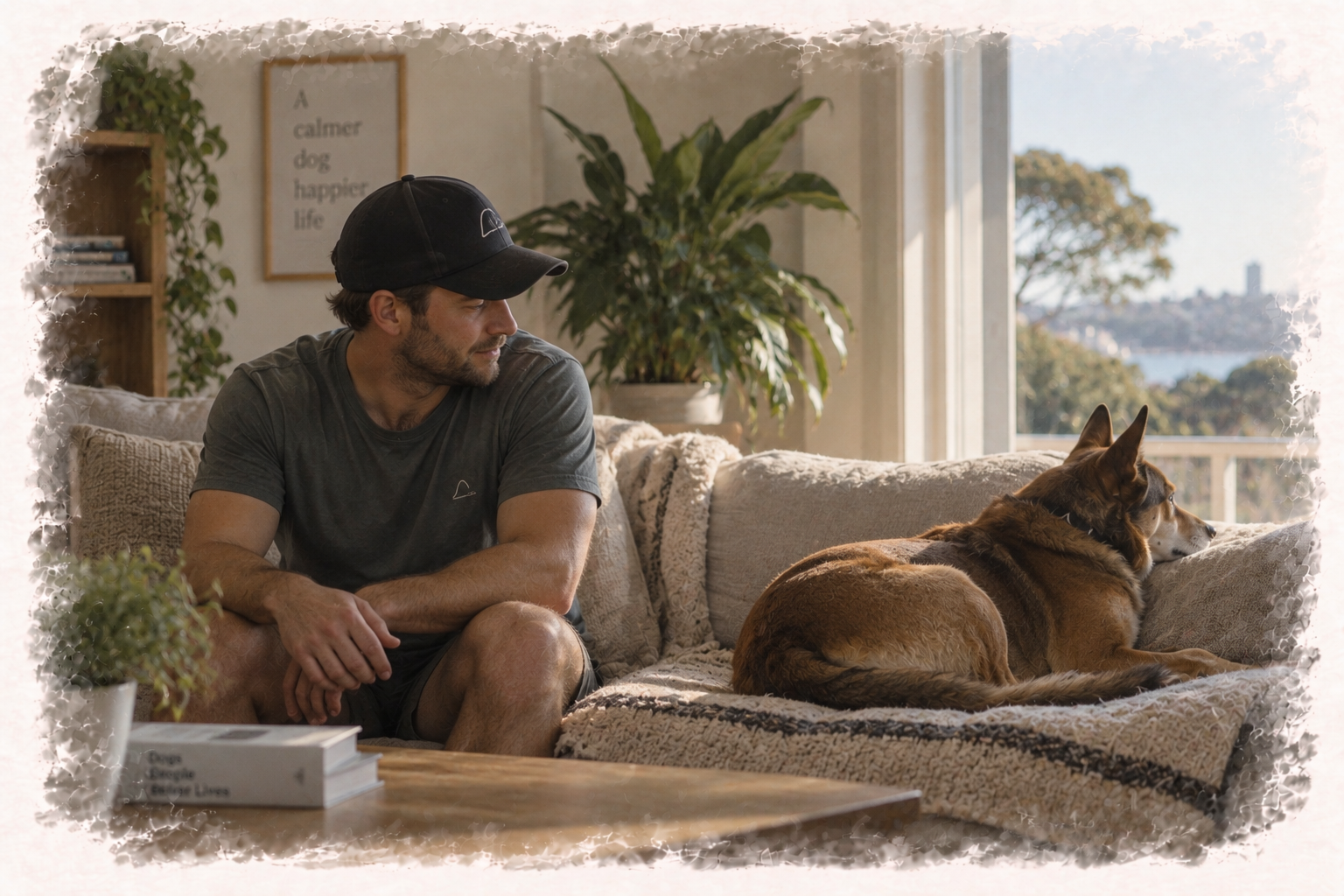
When a puppy feels calm, they can learn. When a puppy feels safe, they can listen.


When a puppy feels overwhelmed, everything gets harder.


So the goal is not just to teach behaviour.


The goal is to help your puppy feel okay first.


That means:


  • Making sure they get enough sleep
  • Giving them quiet time to rest
  • Keeping their day simple and predictable
  • Helping them before they get too excited or stressed


When your puppy bites, zooms around, or ignores you, it’s easy to think:


“They’re being naughty.”


But look again.


They might be tired.


They might be overwhelmed.


They might not know what to do yet.


It’s not bad behaviour.


It’s a feeling.


So here’s the big idea:


Don’t just train what your puppy does.


Support how your puppy feels.


Because when they feel better, they do better.


And everything else starts to fall into place.

If you’d like help applying this and in doing so, improving your and your your dogs lives, I can support you in a few different ways.

Through Canine Caregivers, I offer online courses and webinars to build understanding, structure, and consistency at your pace.

If you’re based in Sydney, I also offer 1:1 training across Sydney, socialisation classes, and can provide all recommended training equipment to support the work we’re doing.

I offer The Complete Care training program that covers every single base you will need as well as The Starter Program which allows you to tailor the training and support you need with flexibility.

— Ian

 Bondi Behaviourist


“A healthy dog is a happy dog and a happy dog is great to live with”.

Recent Posts

By Bondi Behaviourist May 19, 2026
Play can reduce reactivity or quietly make it worse. It depends on the game, the structure, and whether it matches the dog.
By Bondi Behaviourist May 19, 2026
Your dog’s behaviour is the end of a long chain. Ian Shivers explains the four-lens framework that reveals what’s really driving it — and why fixing it starts upstream.
May 5, 2026
Most reactive dog training targets the wrong moment. Learn why preparation and diagnosis matter more than the walk itself.
By Bondi Behaviourist April 28, 2026
Most reactive dog advice skips the fundamentals. A Sydney dog behaviourist explains the two skills — leash handling and spatial awareness — that make the biggest difference on walks.
By Bondi Behaviourist April 21, 2026
If your dog barks, lunges or shuts down on walks, this is where to start. A Sydney dog behaviourist explains what's really driving reactivity — and the approach that creates lasting change.
Calm dogs
By Bondi Behaviourist April 9, 2026
Most owners reward excitement without realising it. A Sydney dog behaviourist explains why noticing and protecting calm — rather than interrupting it — is one of the most powerful things you can do for your dog.
By Bondi Behaviourist April 8, 2026
When dogs rush you through daily routines it's not naughtiness — it's a lack of clarity. A Sydney dog trainer explains how working dogs think, and how simple structure creates calm involvement at home.
By Bondi Behaviourist April 1, 2026
Letting your dog sleep on the bed isn't a dominance issue or a training failure. A Sydney dog behaviourist explains when it works, when it doesn't, and why the decision is simpler than you think.
By Bondi Behaviourist March 24, 2026
Trying to make every walk perfect puts pressure on you and your dog. A Sydney dog trainer explains why balance over time — not perfection every outing — creates calmer, more enjoyable walks.
dog training ace freework
By Bondi Behaviourist March 19, 2026
Aggression isn't bad behaviour — it's communication. A Sydney dog behaviourist explains what unmet need is driving your dog's reactivity, and why addressing that changes everything.
Show More