We Train for the Situation. Not in It.
A client came to me wanting their dog to be able to walk past other dogs calmly. Their dog was reactive. Had been for two years.
Their previous approach had been to keep walking. Keep exposing. Keep going past dogs and hoping things would improve.
Things had not improved.
The instinct behind their approach was understandable. The dog needs to get better around other dogs. So put the dog around other dogs. That is the logic.
The problem is that it does not work. Not because exposure is wrong. Because exposure before the dog is ready is not training. It is flooding.
What flooding actually is
Flooding means placing a dog in the situation they cannot handle and keeping them there.
The theory is that eventually the dog will realise nothing bad happens and their response will reduce. In practice, what usually happens is the dog’s stress system is activated, stays activated, and the experience reinforces their existing association with the trigger rather than changing it.
A reactive dog walked past another dog while they are already over threshold is not learning that other dogs are safe. They are experiencing, again, that other dogs produce a stress response. The fact that nothing physically bad happened is not the lesson the nervous system is taking away.
The lesson is: this is overwhelming. And the more often that lesson is delivered, the more embedded the association becomes.
Flooding does not build tolerance. It builds sensitivity.
The difference between exposure and flooding
Exposure is not the problem. Exposure is essential. The nervous system changes through experience. New associations are built through repeated exposure to a stimulus paired with a different emotional outcome.
The question is not whether to expose the dog. It is at what intensity, at what distance, and in what state the dog needs to be for that exposure to produce learning rather than damage.
A dog that is at threshold cannot learn. They are in survival mode. The thinking part of their brain has stepped back and the reactive part has taken over. There is no new association being formed. There is only a stress response being confirmed.
A dog that is below threshold — aware of the trigger, noticing it, but not overwhelmed by it — can learn. They are in a state where new information can register. Where a positive experience near the trigger can start to shift the emotional association.
That state is what we are working to find and work within. Not the state where the dog is already reacting.
Training for the situation means building what the situation requires
The situation your dog is not ready for yet requires certain things from them.
It requires a nervous system that is regulated enough to process the trigger without shutting down. It requires an emotional association with the trigger that is neutral or positive rather than threatening. It requires a communication channel between dog and owner that holds under pressure. It requires impulse control. It requires confidence.
None of those things are built by repeatedly placing the dog in the situation before they have them.
They are built by working at a level the dog can succeed at, consistently, until the foundation is solid enough to take the next step.
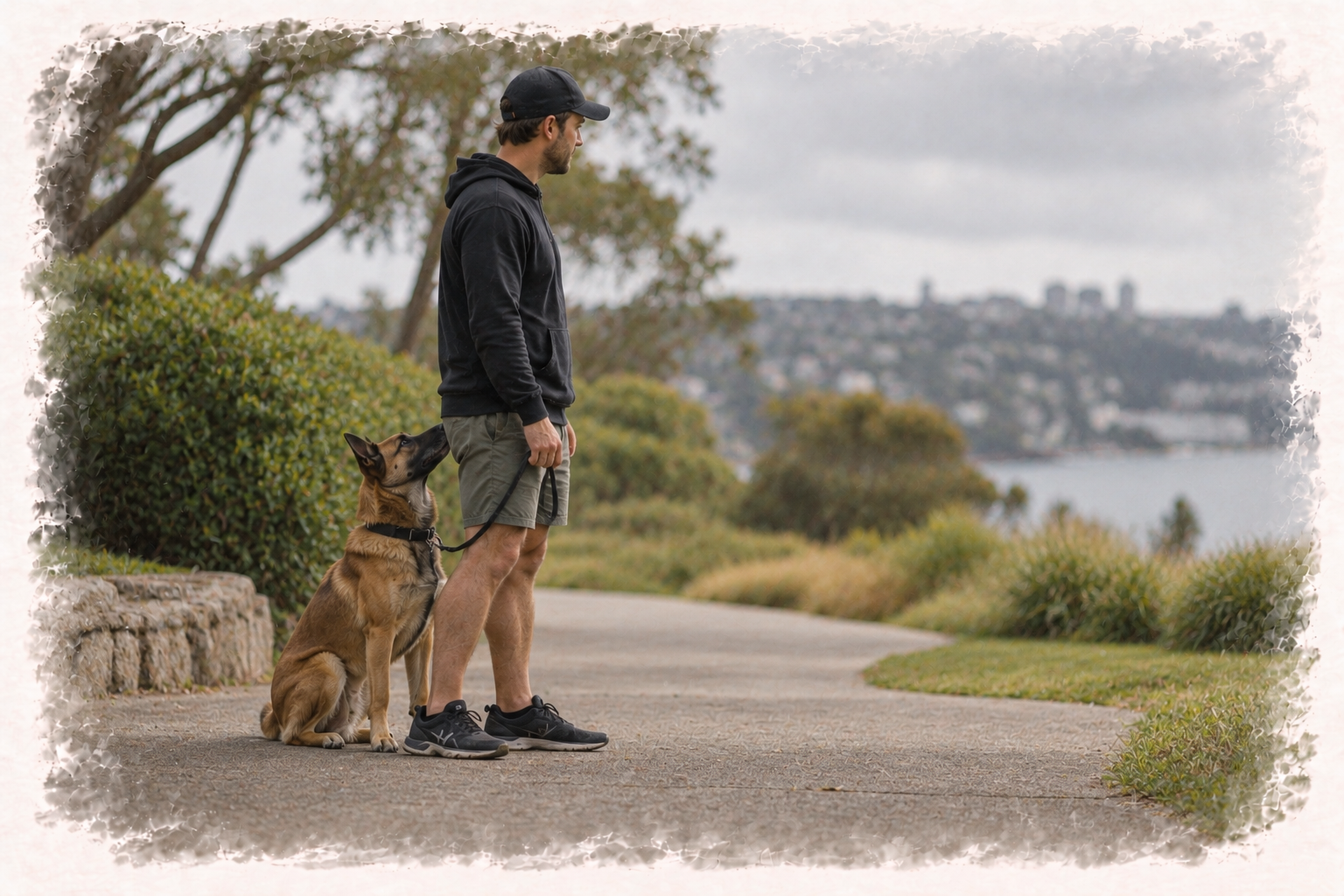
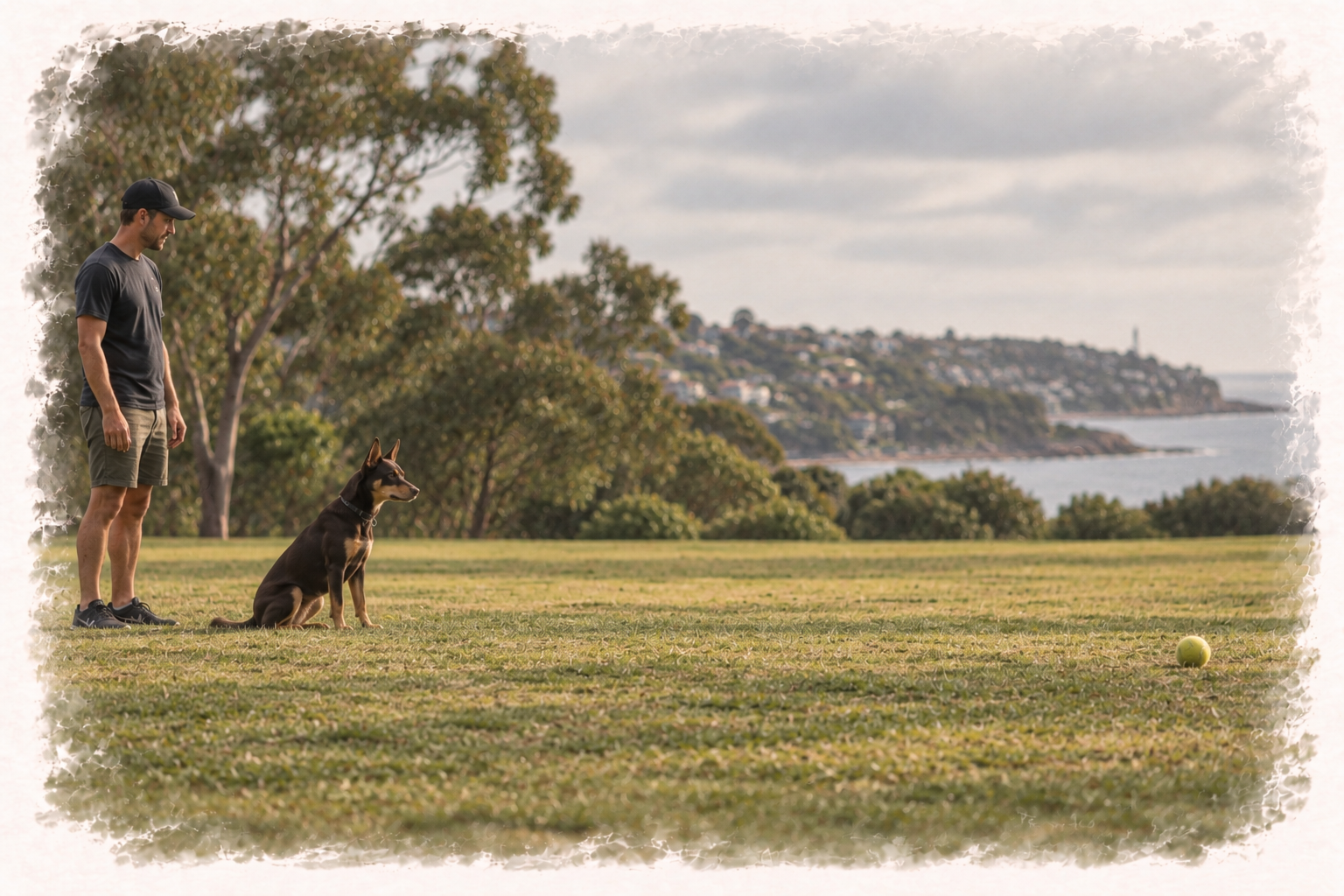
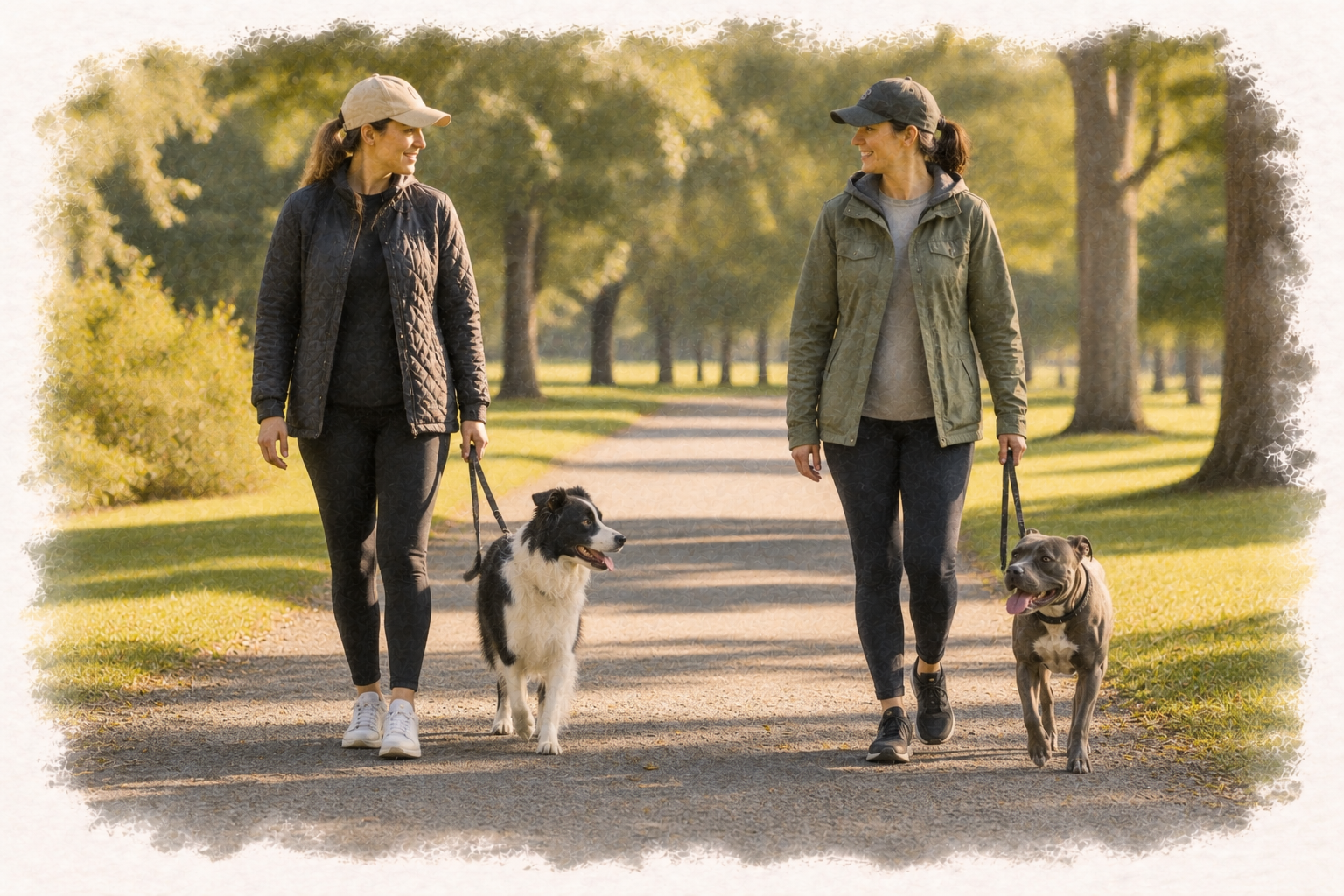
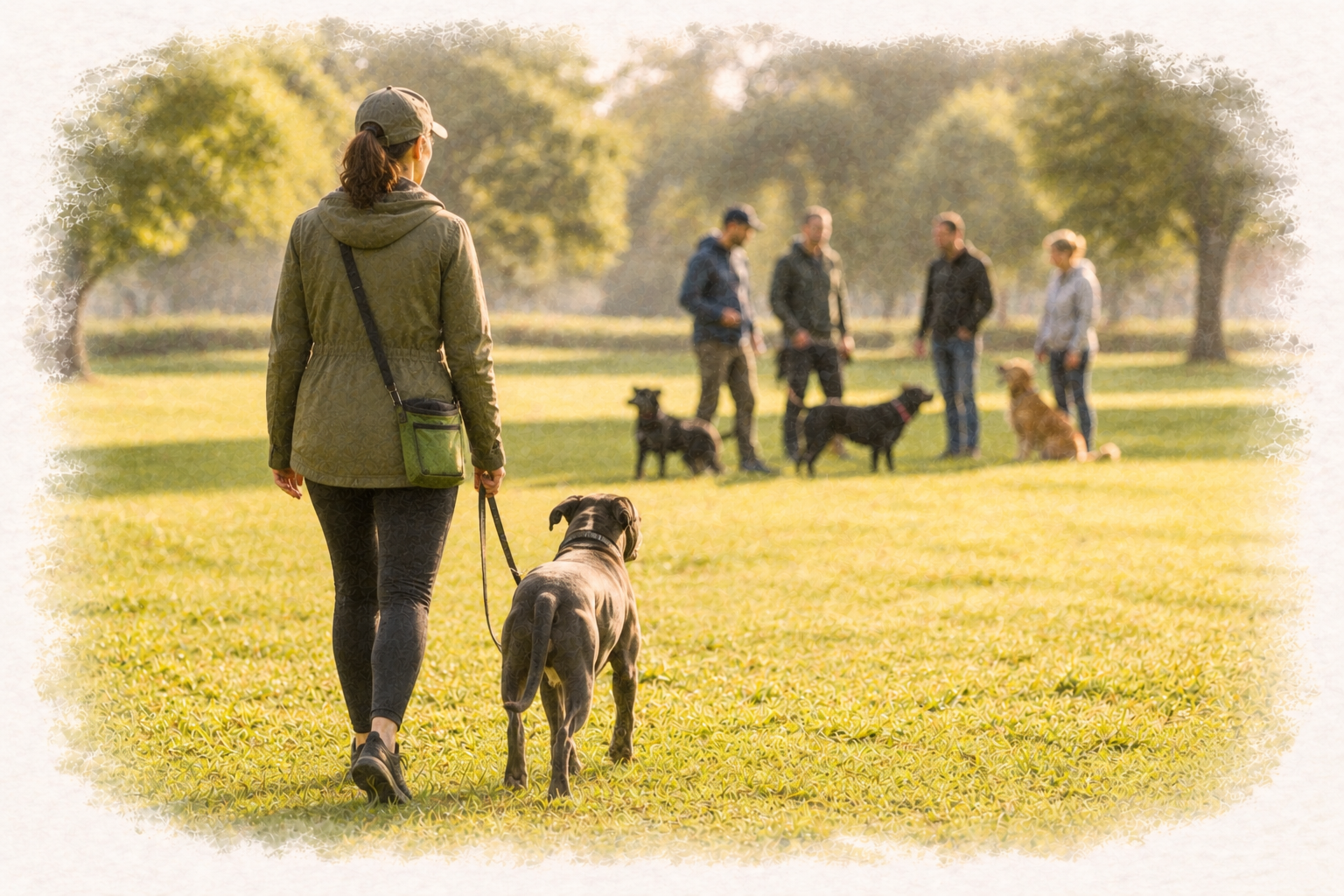
That might mean working at a distance where the dog can notice another dog without reacting. Where they can take a treat. Where they can look at the trigger and look back at you. Where the walk ends with a dog that is calmer than when it started rather than more activated.
That distance might feel embarrassingly large at first. It is not. It is exactly where the work needs to happen.
The gap between where your dog is and where you want them to be
There is always a gap. Between the dog your dog is now and the dog you want them to be in that situation.
The gap is not a problem. It is information. It tells you how much foundation work still needs to happen before the situation becomes manageable.
Ignoring the gap and putting the dog in the situation anyway does not close the gap. It just reveals how wide it is, repeatedly, in ways that are stressful for the dog and demoralising for the owner.
Working within the gap — just below the point where the dog cannot cope, building the skills and the associations they need — closes it. Slowly. But genuinely.
The goal is to make the situation your dog is not ready for into a situation they are. That shift does not happen in the situation itself. It happens in all the work that comes before it.
Yet is the important word
Your dog is not ready for this. Yet.
That word matters. It means the situation is not off the table. It is not something your dog will never be able to handle. It is something they cannot handle right now, with the foundation they currently have.
Build the foundation and the situation becomes reachable.
It takes longer than most people want. It requires working at levels that feel too easy. It requires resisting the urge to push for the situation before the dog is ready.
But the dog that is ready for the situation is a fundamentally different dog to the one who was put in it before they were.
One has been trained for it. The other has just been exposed to it.
Those are not the same thing. And the difference shows.