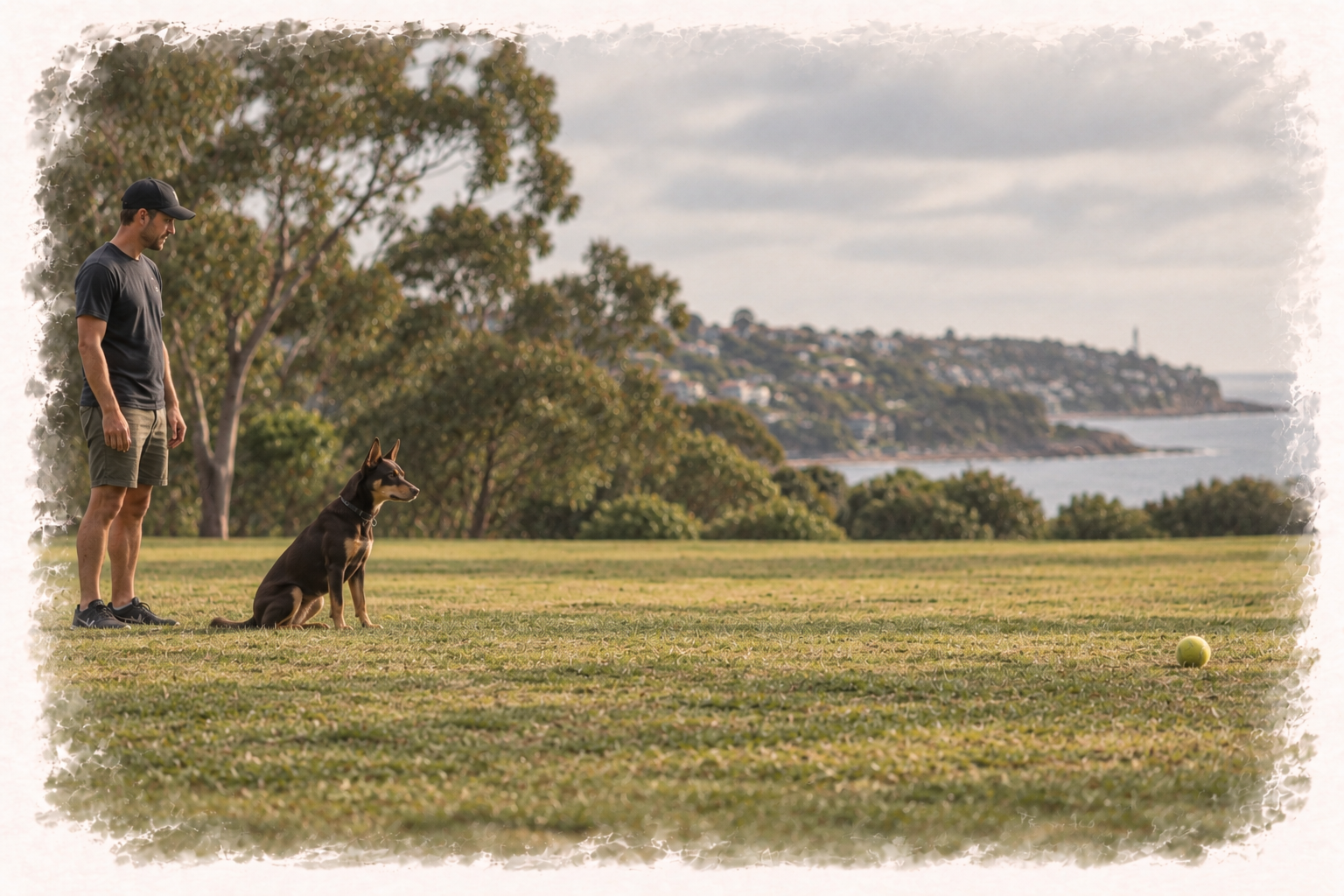
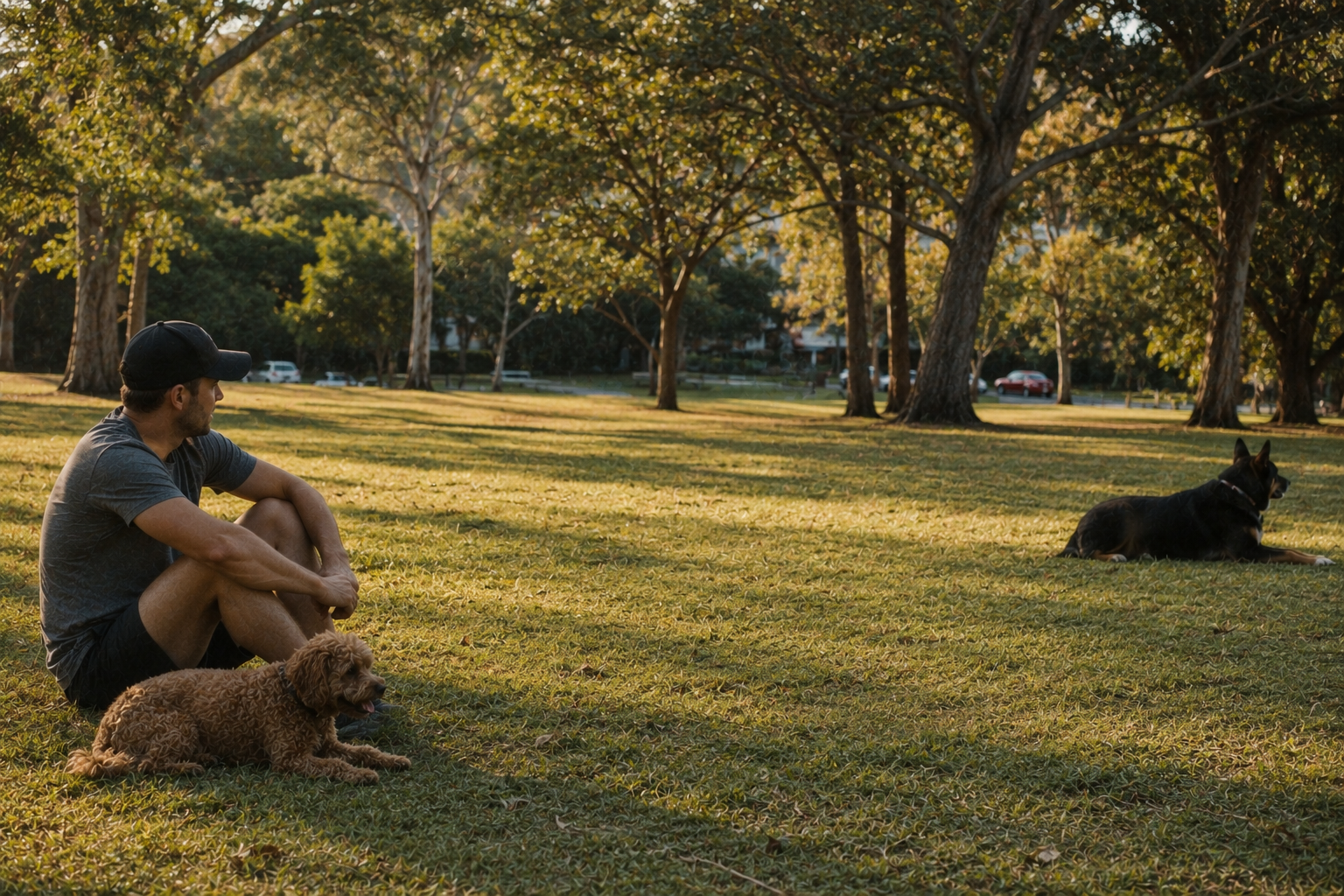
A dog stands over a ball in the middle of a park. Head down, eyes locked, whole body coiled.
Another dog wanders over to say hello. Nothing. Not a glance.
There is grass to sniff, people to watch, a whole park to investigate. None of it exists.
The owner sees me looking and tells me he loves it.
This is probably my biggest pet peeve about dog ownership. Owners leaning into compulsive behaviour, because it suits them, while the fallout lands almost entirely on the dog (until the fallout of that hits the human later)
Behavioural diversity is a welfare measure
One of the better indicators of good animal welfare is something called behavioural diversity. A wide range of different behaviours.
The opposite tells you something too. When the range of behaviours narrows right down, that is an indicator of poor welfare.
So a dog who can only play fetch is not a dog with a hobby. That narrowing is the thing worth paying attention to.
They love it, so I will do more of it. That is fine right up until it becomes addiction and compulsion, and the dog cannot do anything else.
What the compulsion is actually doing
Addiction is not a good sign in anybody. Someone with an addictive behaviour is usually struggling somewhere.
The behaviour is meeting a need. It is just not meeting the actual need. It is a bandaid on something bigger.
With dogs, these compulsive patterns very often come from poor mental and emotional health.
Here is the shape of it. The world gets scary, or it gets too much. The dog finds one thing that brings them joy, or floods them with endorphins, or gives them a sense of having some control over the situation.
Sometimes it is simply that the thing is familiar and predictable when nothing else is.
That is escapism. And escapism is a problem when nobody is helping the dog with the thing they are escaping from.
Distraction has its place. We all do it when things get hard, and it is a perfectly normal coping skill. Occasional is fine. Habit that damages the rest of your life is not.
It is no different for a dog.
Tolerating a place is not enjoying it
I work across all of Sydney, and the sheer volume of stimulation out here is a lot for a dog to carry.
Plenty of them arrive somewhere and think, this is all far too much.
Then they find the workaround. If I just focus on the ball, it goes out, I get it, I bring it back. Out, get it, bring it back.
If I only look at that, I can cope with being here.
That is a thin life. Running a compulsive loop in order to withstand a place rather than actually be in it.
And almost nobody reads it that way, because they have been told something else entirely.
He’s a working dog, he was born for this
This is the line that gets wheeled out, and I don’t accept it.
Working dogs were bred to think. Not to mindlessly chase things.
They were bred to problem solve. To read a situation and adjust. There is an enormous amount of thinking involved in doing a job properly.
Impulsivity and compulsion are not the job. They are what is left when the thinking part has been stripped out of it.
The physical bill
There is a body cost alongside the brain cost.
Vets are repairing cruciates off the back of compulsive ball play. That is not rare.
And it is not only ball play. I have seen people exercising dogs with laser pens, which I think is a genuinely awful thing to do to an animal.
Imagine that being your hobby. Chasing a dot on the floor you can never, ever catch.
The other one I dislike is the oversized ball. Too big for the dog to ever get hold of properly, so they just chest it around the yard indefinitely.
People buy them because the dog becomes utterly fixated. They watch that fixation and read it as love.
Not never. Just not every day
I am not saying the big, wild version is off the table.
Going to that place can be good fun. If you have a dog who likes going all out, take them and let them.
Just don’t make it a regular thing, and certainly not an everyday thing.
Don’t let it become the main way your dog is out in public. Or the main way they get exercise. Or the main way they get any stimulation at all.
Do that and you build a dog who can only do that one thing. And of course they will protest when you ask for something more ordinary. We all gravitate toward what we enjoy.
What makes any of us well rounded is being able to do several things. Give your dog the outlet. Don’t let the outlet become the whole of them.
The social cost nobody connects
I have watched this one play out over and over.
A dog with no behavioural flexibility struggles to socialise, and the reason is fairly obvious once you say it out loud.
Socialising requires thinking. Problem solving. Staying engaged. Adjusting what you are doing based on the individual in front of you.
That is the exact skill set compulsion erodes.
Dogs with compulsive tendencies, and owners who lean into them, very often come with antisocial behaviour attached. I see a strong correlation there.
Correlation isn’t always causation. But in this case the mechanism makes sense to me.
The pain trap
This is the part I most want people to understand.
Owners talk themselves out of pain all the time. He can’t be sore, he still plays fetch every day. His back must be fine, look at him go.
Those behaviours are so rich in endorphins that a dog can be self-medicating with them.
They will do the activity that is causing the pain, because while they are doing it the pain recedes.
Then comes the fallout. And the next day they need it again, because it is all they know and it is all anyone does with them.
That is a vicious cycle. The activity creates the injury, the injury creates the discomfort, and the only relief they have been shown is more of the activity.
So whether your dog will do a high adrenaline activity is a terrible indicator of whether they are in pain.
I do high adrenaline things when I am sore, because it hurts less while I am doing them. The endorphins help.
The difference is that I know what I am doing and I have agency over the choice. Your dog is a product of what you expose them to.
Bring out the ball and they will buy in, because the ball is the whole menu. Without knowing it, people can be making their dog’s pain considerably worse.
What to look for
Watch what your dog does when they are out of the house.
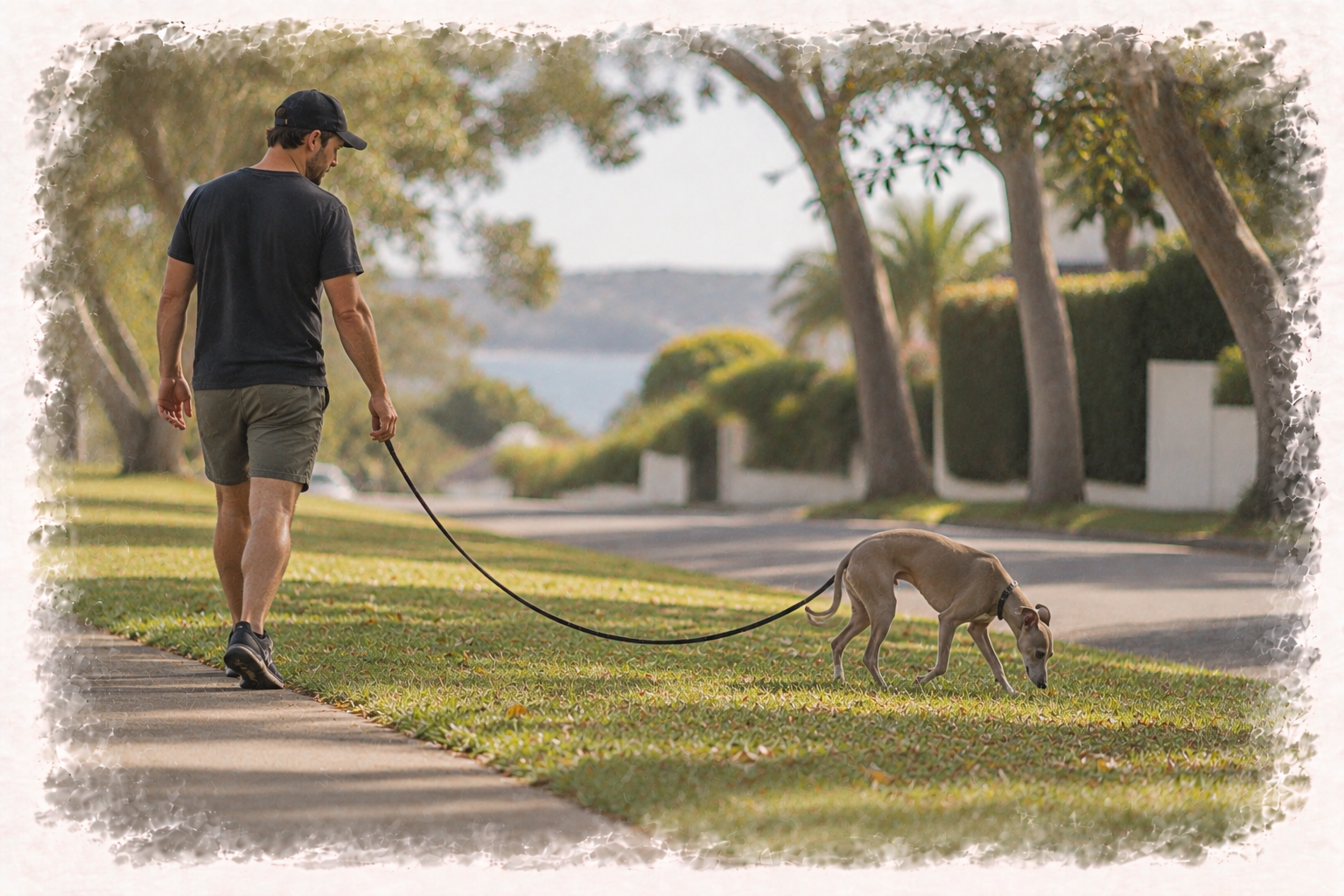
Do they interact socially? Sniff? Dig? Swim? Do any of the ordinary, natural dog things?
If the list is very short, that is a red flag worth noticing. Not a disaster. Just information.
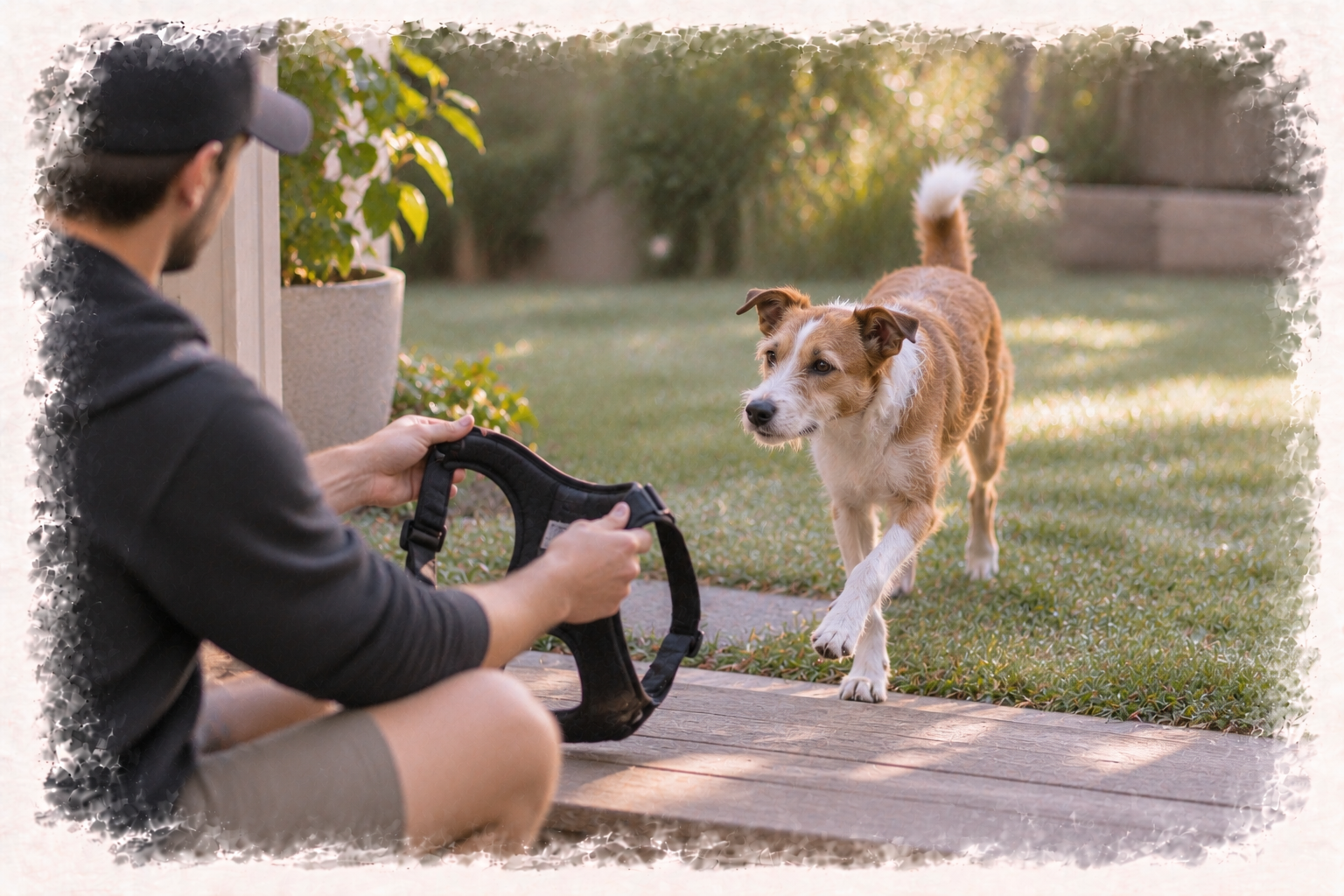
Then start practising other things.
They’re not bad at it. They haven’t been taught
Don’t get hung up when your dog is hopeless at the new thing. Of course they are. They have never practised it.
You might think, he’s not a sniffer. If he liked sniffing, he’d be sniffing.
He doesn’t know how yet. Nobody has ever shown him that it could be enjoyable.
Give them the chance to practise and, like anything, there is a good chance they get better at it and find the joy in it.
Early on they may find it frustrating and annoying, and they may be firmly against it. That is normal.
Sometimes you have to do what a parent does. Zoom out and decide that this would be a healthy option for them, and persist in them learning it.
Be the adult in the room your dog needs you to be.
The short version
If your dog loves something, brilliant. Engage in it with them.
Just don’t take it to the point of compulsion, and don’t let it become the only thing they know how to do.
Aim for range. That is what their welfare actually rests on.