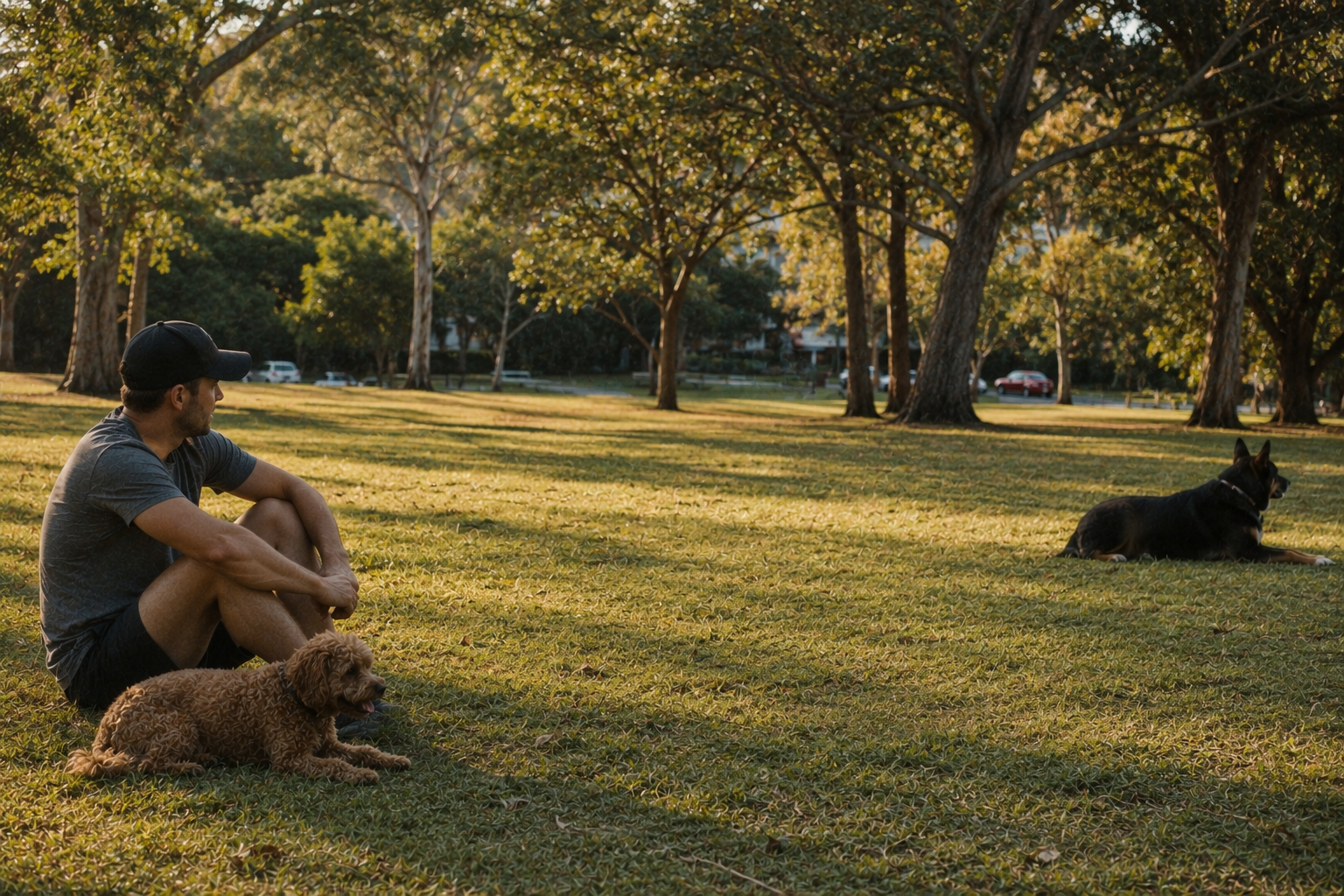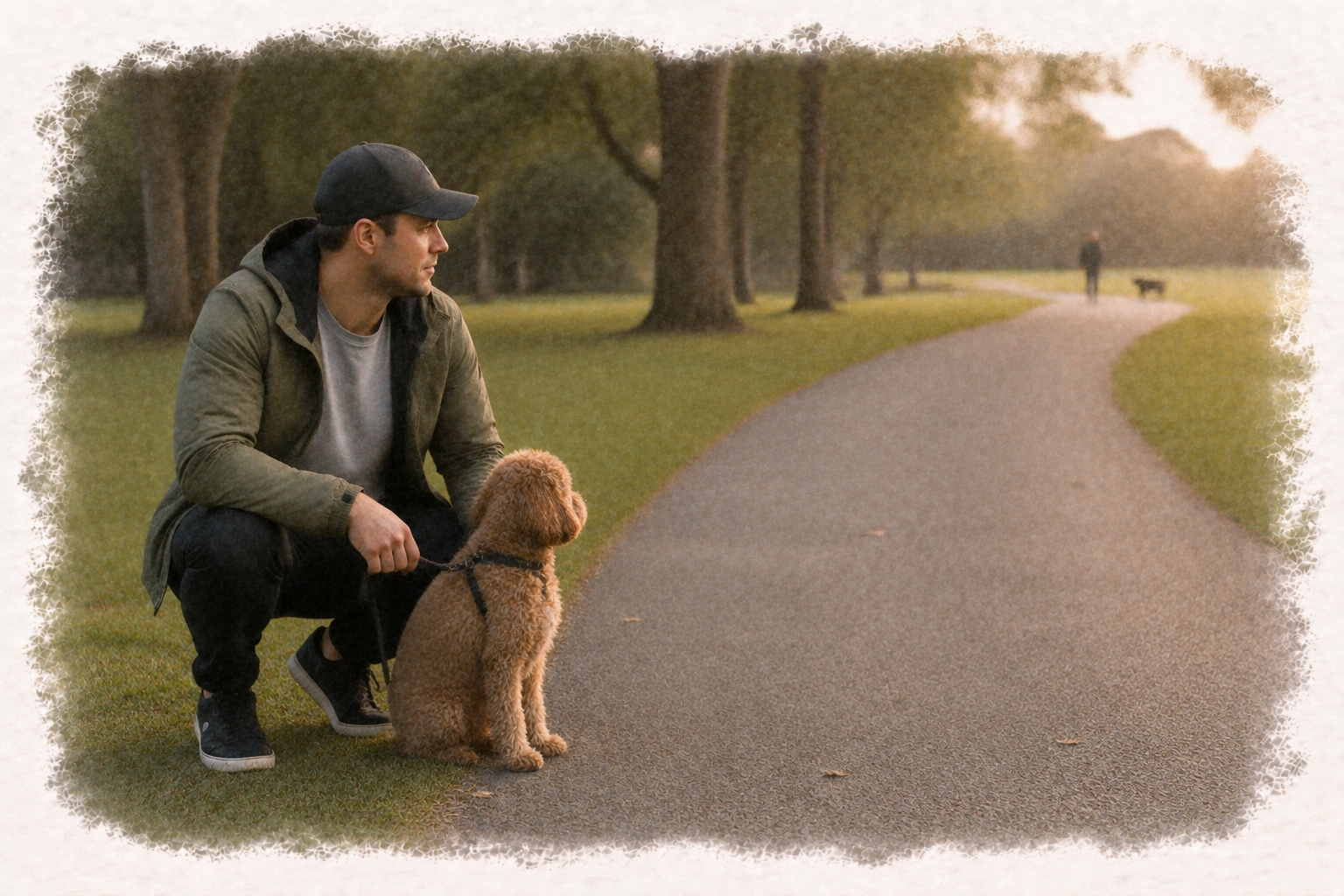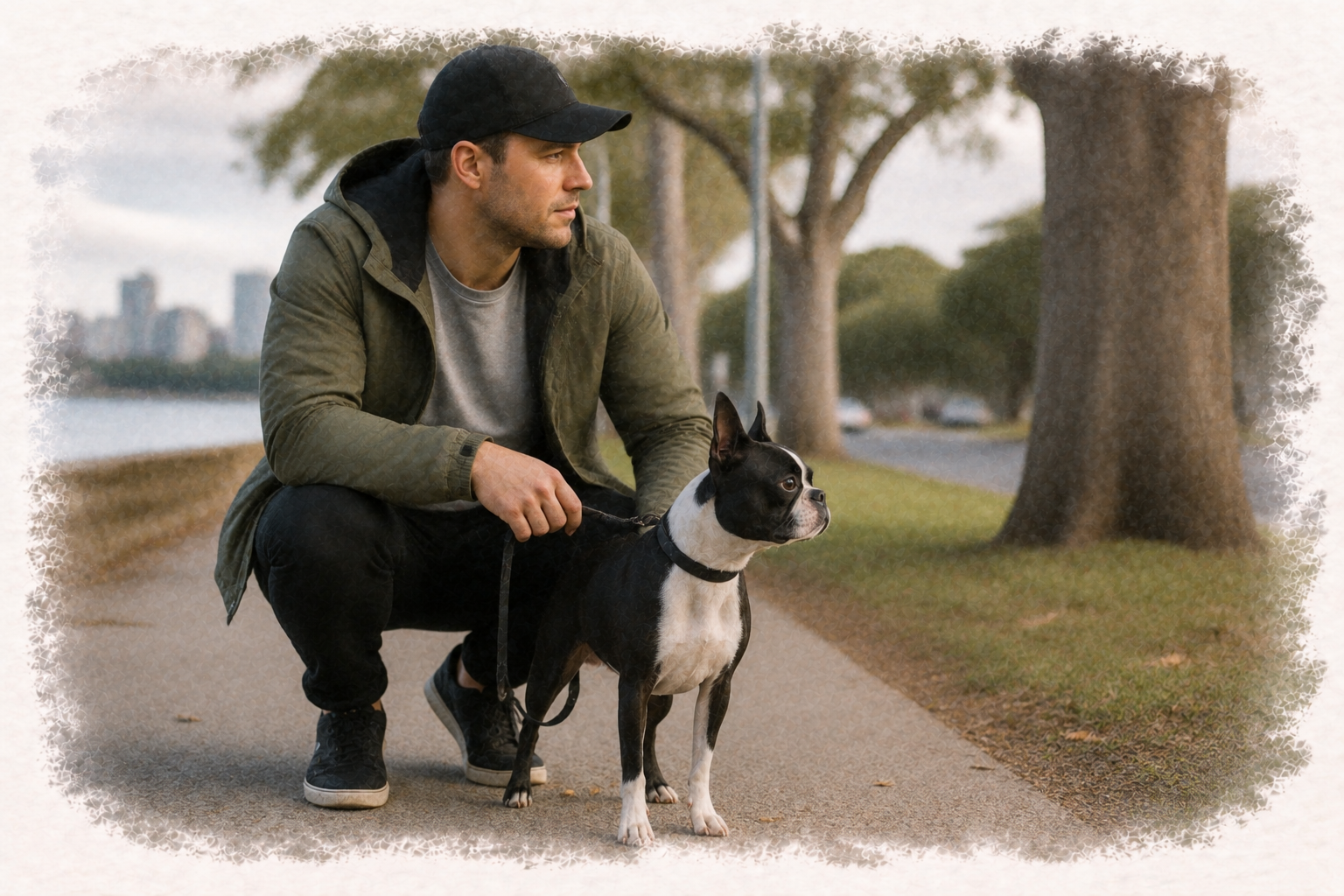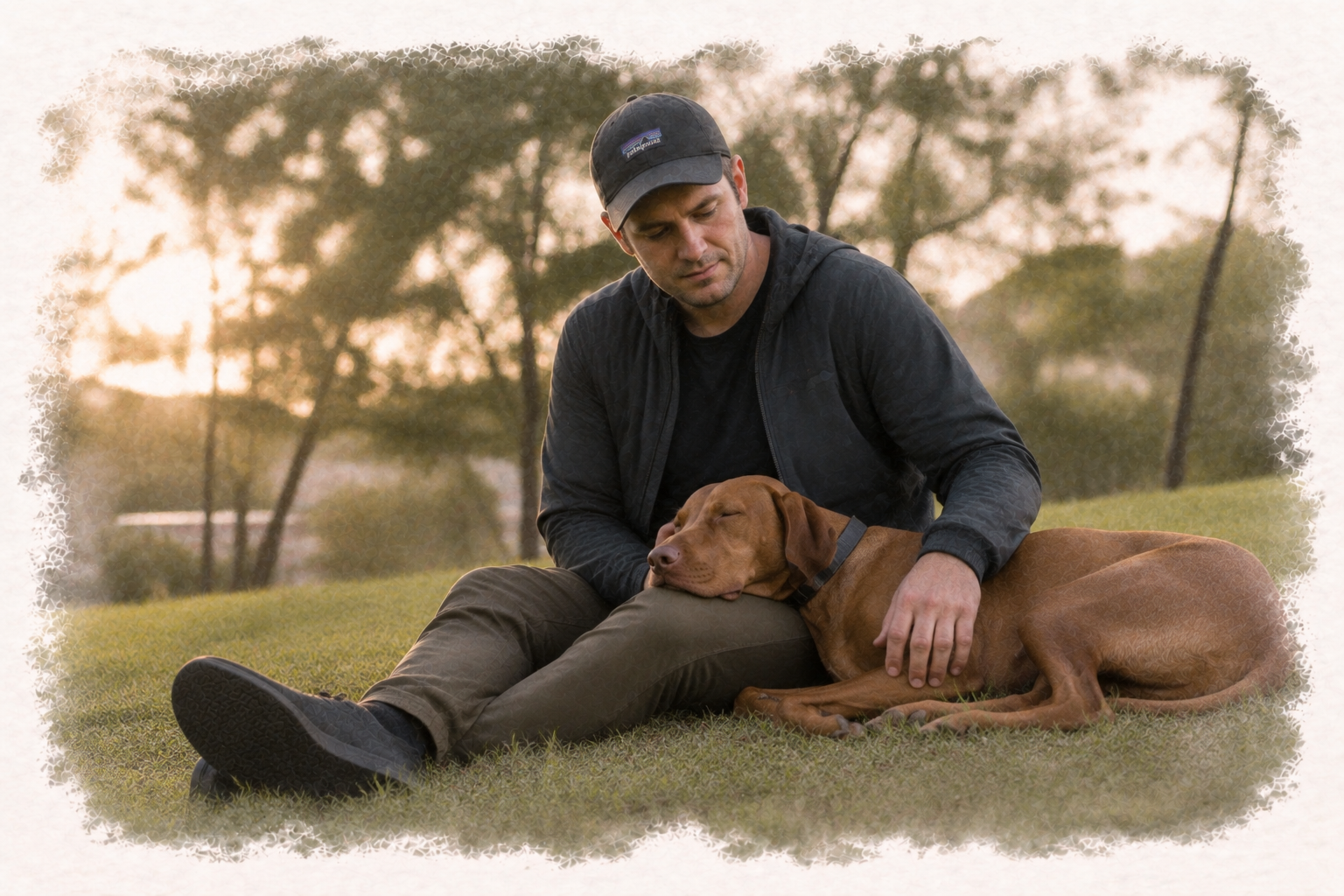
Training our dogs for wellbeing not just obedience

Ian Shivers • February 14, 2025

Share this article

I understand why obedience is so attractive.

Training Dogs for Emotional Well-Being, Not Just Obedience

When it comes to dog training, many Sydney dog owners have an emphasis on training obedience. However, the ultimate goal shouldn’t just be about strict adherence to commands. Whether training a puppy, an anxious dog, or a reactive dog, focusing on emotional well-being creates a foundation for better behavior and a healthier relationship between dog and owner.

The Bedrock of Happy and Healthy Emotional States

Effective dog training isn’t about demanding robotic obedience. Instead, it’s about fostering a calm and happy emotional state as a foundation for engagement. This emotional balance provides dogs with a stable environment to learn and grow. While moments of excitement and stimulation are natural and healthy, the core state should be one of calmness and happiness.

Why is this important?


  • Reduces Negative Behaviors: Many undesirable behaviors are rooted in negative emotional states, such as anxiety or frustration.


  • Enhances Learning: A calm and happy dog is more receptive to learning and training.


  • Strengthens the Bond: Training becomes a shared, positive experience, strengthening the bond between dog and owner.


Using Training to Shape Emotional Well-Being

Training should go beyond teaching dogs to sit, stay, or heel. It’s a tool to help them regulate their emotional states. By creating a calm and positive environment, desirable behaviors naturally surface, while negative behaviors diminish.

Key strategies include:

  1. Positive Reinforcement: Rewarding desired behaviors encourages dogs to repeat them.
  2. Mindful Socialization: Gradually introducing dogs to new environments and experiences helps them build confidence.
  3. Consistent Boundaries: Clear and fair boundaries provide a sense of security.
  4. Meeting Enrichment Needs: Activities with your dog should ultimately be done to meet their underlying needs. Different breeds and individuals will have different needs. It’s important to think deeper than just walking them.


The Link Between Emotional States and Behavior

Dogs often act out when they’re experiencing negative emotional states. Reactive dogs, for example, may bark or lunge out of fear or anxiety. By shifting their emotional state to one of calm and confidence, these reactive behaviors can be mitigated.

Rather than suppressing behaviors through strict obedience training, the focus should be on addressing the underlying emotional causes. This approach helps:


  • Reduce Reactivity: Calm, confident dogs are less likely to react negatively to triggers.


  • Increase Focus: Happy and emotionally balanced dogs are more engaged and responsive during training.


  • Promote Lasting Positive Behaviors: Behavioral improvements are more sustainable when they stem from a positive emotional foundation.


The Role of the Trainer and Owner

Dog trainers and owners play a crucial role in fostering a dog’s emotional well-being. Training approaches should be gentle, supportive, and focused on creating positive experiences. Owners must also learn to read their dog’s emotional cues and adjust their training techniques accordingly.

Conclusion

Whether you’re tackling puppy training, managing an anxious dog, or wondering how to train your reactive dog, the focus should be on creating a calm and happy emotional foundation. By prioritizing emotional well-being over strict obedience, desirable behaviors naturally emerge, leading to a more harmonious relationship between you and your dog.

For dog owners in Sydney seeking compassionate and effective training methods, consider approaches that prioritize your dog’s emotional health. The right training can unlock a lifetime of positive behavior and happiness for both you and your furry companion.

I understand why obedience is so attractive.

Recent Posts

By Bondi Behaviourist April 28, 2026
Most reactive dog advice skips the fundamentals. A Sydney dog behaviourist explains the two skills — leash handling and spatial awareness — that make the biggest difference on walks.
By Bondi Behaviourist April 21, 2026
If your dog barks, lunges or shuts down on walks, this is where to start. A Sydney dog behaviourist explains what's really driving reactivity — and the approach that creates lasting change.
Calm dogs
By Bondi Behaviourist April 9, 2026
Most owners reward excitement without realising it. A Sydney dog behaviourist explains why noticing and protecting calm — rather than interrupting it — is one of the most powerful things you can do for your dog.
Is Your Dog Rushing You at Home? Create Calm, Clear Daily Routines | Dog Training Sydney
By Bondi Behaviourist April 9, 2026
Most puppy training focuses on commands. A Sydney dog behaviourist explains why supporting your puppy's emotional state first makes everything else — the listening, the learning, the calm — fall into place.
By Bondi Behaviourist April 8, 2026
When dogs rush you through daily routines it's not naughtiness — it's a lack of clarity. A Sydney dog trainer explains how working dogs think, and how simple structure creates calm involvement at home.
By Bondi Behaviourist April 1, 2026
Letting your dog sleep on the bed isn't a dominance issue or a training failure. A Sydney dog behaviourist explains when it works, when it doesn't, and why the decision is simpler than you think.
By Bondi Behaviourist March 24, 2026
Trying to make every walk perfect puts pressure on you and your dog. A Sydney dog trainer explains why balance over time — not perfection every outing — creates calmer, more enjoyable walks.
dog training ace freework
By Bondi Behaviourist March 19, 2026
Aggression isn't bad behaviour — it's communication. A Sydney dog behaviourist explains what unmet need is driving your dog's reactivity, and why addressing that changes everything.
By Bondi Behaviourist March 12, 2026
Exhausting your dog isn't the goal — a dog that collapses from overstimulation isn't the same as one that's genuinely calm. A Sydney dog behaviourist explains why, and what to aim for instead.
By Ian Shivers February 24, 2026
I understand why obedience is so attractive.
Show More