How to socialise your dog in Sydney (but everywhere really)

Ian Shivers • February 21, 2025

Share this article

I understand why obedience is so attractive.

The Right Way to Socialise Your Dog: Listening and Observing

Socialising your dog is a crucial part of their development and emotional well-being. However, many dog owners in Sydney and beyond make the mistake of thinking that simply putting their dogs into a lot of social situations will make them social. This blog explores the importance of quality over quantity, thoughtful socialisation and how observing the interaction your dog is having with others and their surroundings can help create positive social experiences.

Why Forcing Socialisation Doesn’t Work

Forcing a dog to remain in an uncomfortable social situation can lead to negative associations and long-term behavioral issues. When dogs are overwhelmed or stressed in social environments, keeping them in that situation may cause:


  • Increased Anxiety: Dogs may become more nervous and apprehensive in future social encounters.


  • Defensive Behavior: Negative experiences can lead to reactivity or aggression as a defense mechanism.


  • Guarded Interactions: Dogs may learn to be distrustful of other dogs and people.


This is going to be their memory of the situation and what they will turn up anticipating next time they’re in similar circumstances. Rather than making dogs more social, forcing them into these situations often backfires.

How to Socialise Thoughtfully

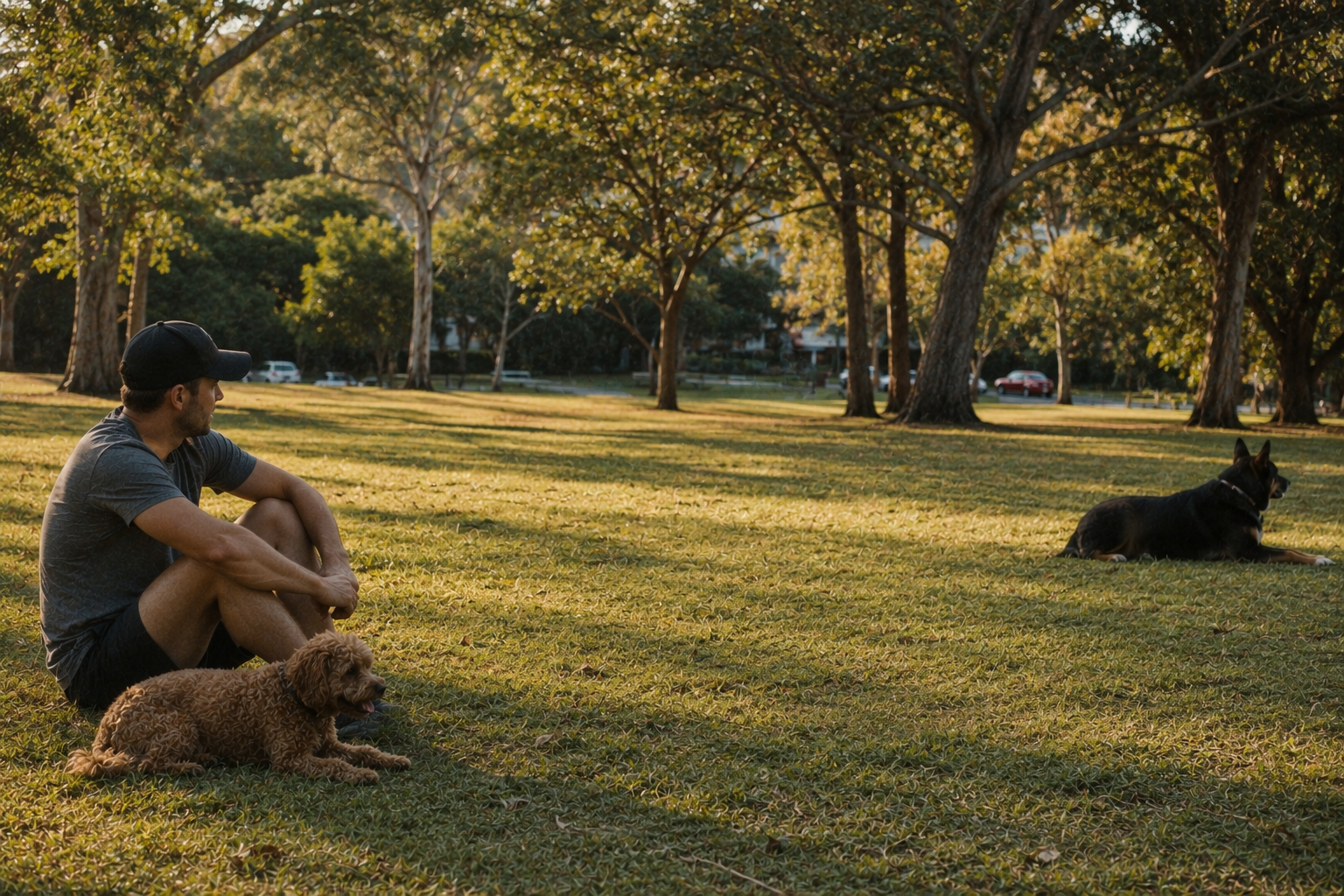
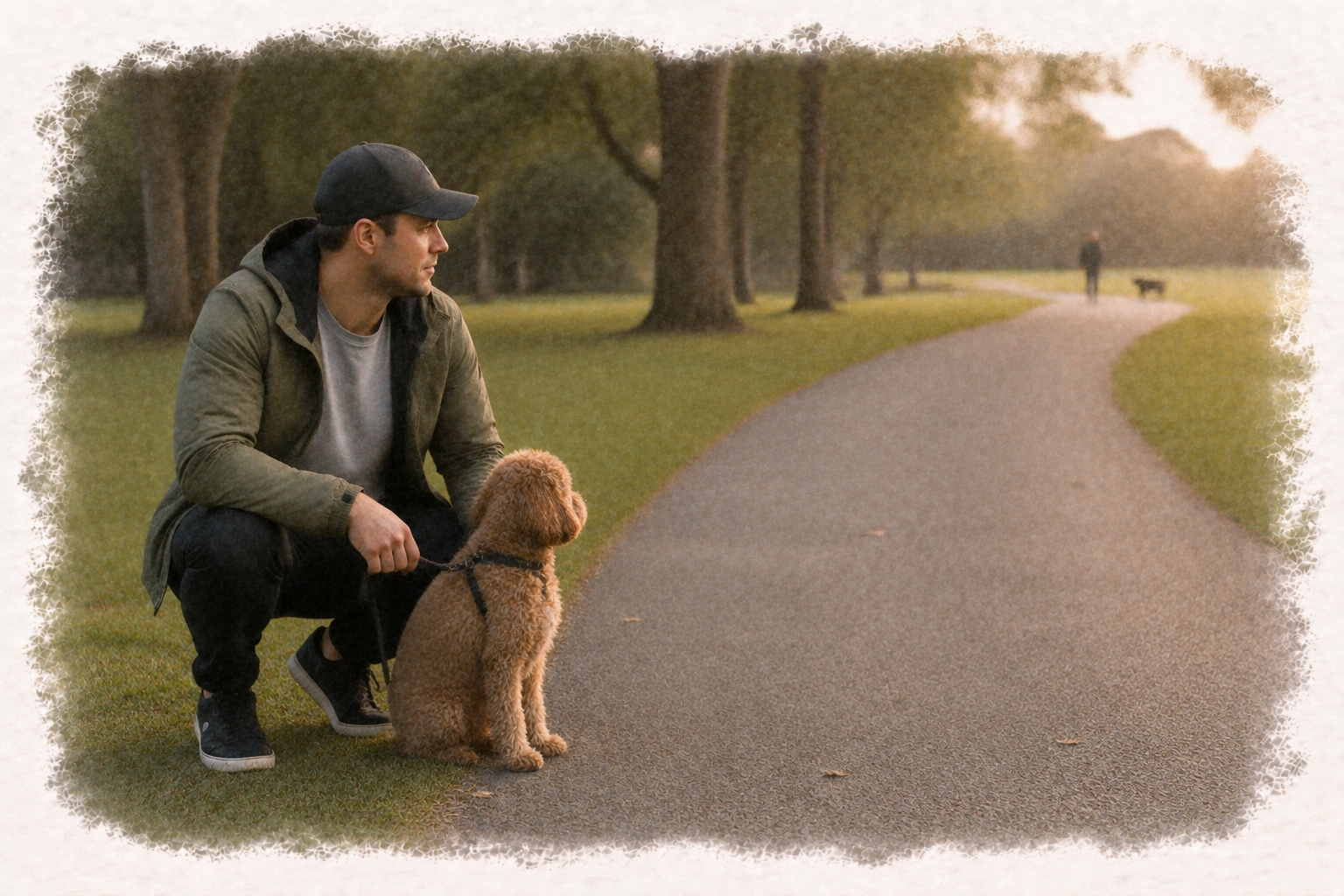
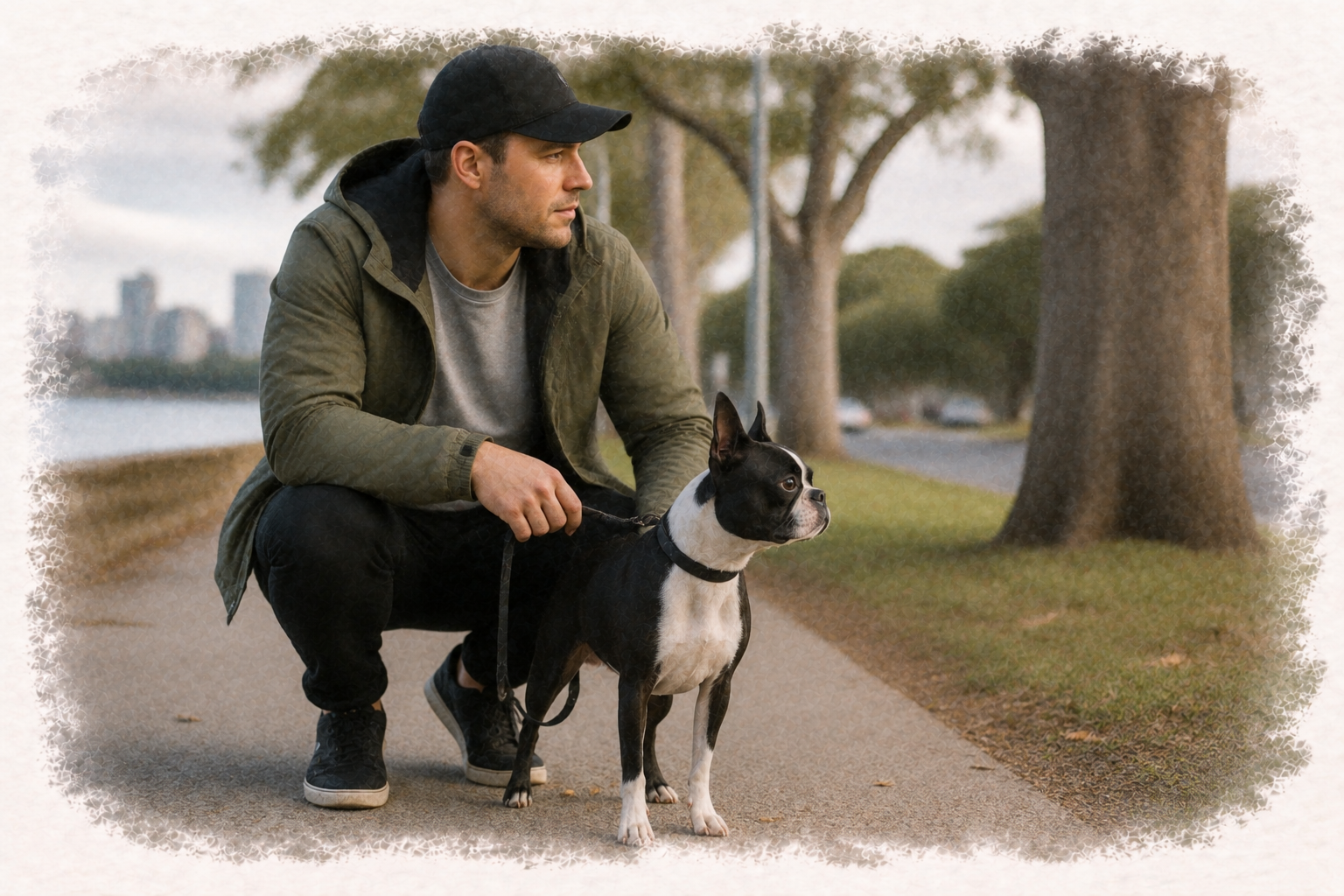
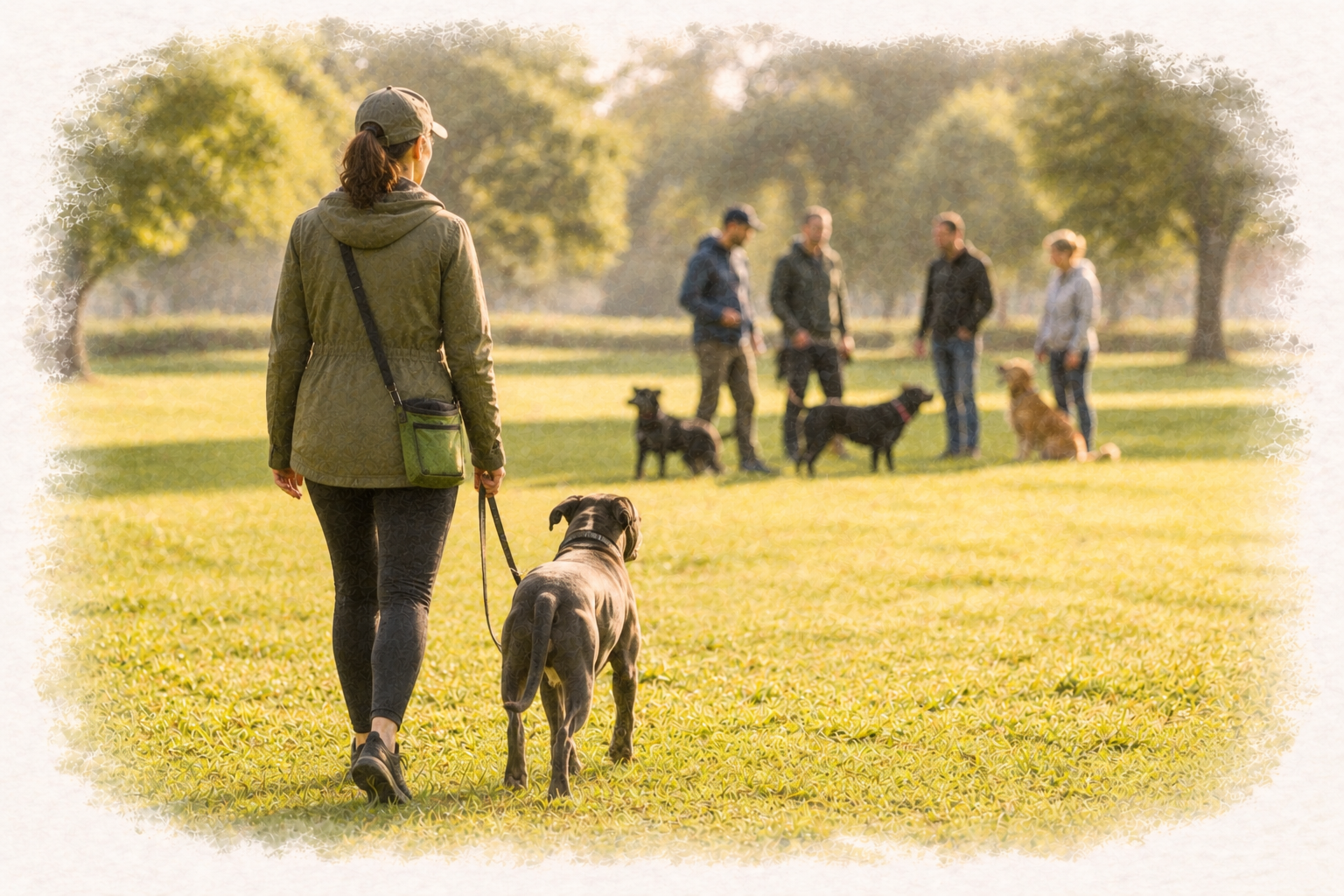
The key to successful socialisation is not about hovering like a "helicopter parent," but rather observing the conversation your dog is having. How are they responding, are they able to recover from negative interactions or do they need more support? Ultimately we want to be there for them if needed, for them to know we’re there if needed but not to micromange and step in unnecisarily.

1. Observe the Situation: Watch how the interaction is progressing. Is your dog relaxed and curious, or are they showing signs of stress? Pay attention to body language cues such as tucked tails, flattened ears, or excessive yawning.

2. Be Ready to Protect Their Exit Route: Ensure your dog has a clear path to leave the situation if they become overwhelmed. Teaching them that they can leave if they want to can prevent negative associations.

3. Recognize Stress Signals: If your dog is stressed and not recovering or if the other dog is being overly obnoxious, it’s time to remove your dog from the situation.

4. Build Positive Associations: Gradually expose your dog to social situations where they can have positive experiences. Reward calm and confident behavior.


Why Protecting the Exit Route Matters

Allowing your dog to exit uncomfortable situations reinforces the idea that you are a source of safety and security. This builds trust between you and your dog and helps them develop confidence in social settings.

Dogs that feel safe and supported are more likely to:


  • Engage positively with other dogs and people.


  • Develop resilience and confidence.


  • Build healthy social skills without fear or defensiveness.


Conclusion

Socialising your dog doesn’t mean throwing them into every social situation and hoping they adapt. Thoughtful socialisation involves listening to your dog, observing interactions, and protecting their exit route when necessary. By creating positive social experiences, you set your dog up for a lifetime of confident and happy interactions.

For dog owners in Sydney looking for professional guidance on socialisation, puppy training, or how to train a reactive dog, consider seeking expert advice from trainers who prioritize thoughtful, dog-centric approaches.

Recent Posts

By Bondi Behaviourist April 28, 2026
Most reactive dog advice skips the fundamentals. A Sydney dog behaviourist explains the two skills — leash handling and spatial awareness — that make the biggest difference on walks.
By Bondi Behaviourist April 21, 2026
If your dog barks, lunges or shuts down on walks, this is where to start. A Sydney dog behaviourist explains what's really driving reactivity — and the approach that creates lasting change.
Calm dogs
By Bondi Behaviourist April 9, 2026
Most owners reward excitement without realising it. A Sydney dog behaviourist explains why noticing and protecting calm — rather than interrupting it — is one of the most powerful things you can do for your dog.
Is Your Dog Rushing You at Home? Create Calm, Clear Daily Routines | Dog Training Sydney
By Bondi Behaviourist April 9, 2026
Most puppy training focuses on commands. A Sydney dog behaviourist explains why supporting your puppy's emotional state first makes everything else — the listening, the learning, the calm — fall into place.
By Bondi Behaviourist April 8, 2026
When dogs rush you through daily routines it's not naughtiness — it's a lack of clarity. A Sydney dog trainer explains how working dogs think, and how simple structure creates calm involvement at home.
By Bondi Behaviourist April 1, 2026
Letting your dog sleep on the bed isn't a dominance issue or a training failure. A Sydney dog behaviourist explains when it works, when it doesn't, and why the decision is simpler than you think.
By Bondi Behaviourist March 24, 2026
Trying to make every walk perfect puts pressure on you and your dog. A Sydney dog trainer explains why balance over time — not perfection every outing — creates calmer, more enjoyable walks.
dog training ace freework
By Bondi Behaviourist March 19, 2026
Aggression isn't bad behaviour — it's communication. A Sydney dog behaviourist explains what unmet need is driving your dog's reactivity, and why addressing that changes everything.
By Bondi Behaviourist March 12, 2026
Exhausting your dog isn't the goal — a dog that collapses from overstimulation isn't the same as one that's genuinely calm. A Sydney dog behaviourist explains why, and what to aim for instead.
By Ian Shivers February 24, 2026
I understand why obedience is so attractive.
Show More