When a Relaxed Dog Is the Healthiest Dog in the Room (And Why “Busy” Isn’t Always Happy)

Ian Shivers • December 2, 2025

Share this article

I understand why obedience is so attractive.

Do you ever look at your dog lying down and assume they’re bored, sad, moody, or even depressed?


I hear this all the time —
“He looks so bored…”
“She seems sad…”
“I think he needs more stimulation.”


But in most cases, that relaxed dog is showing me the opposite.


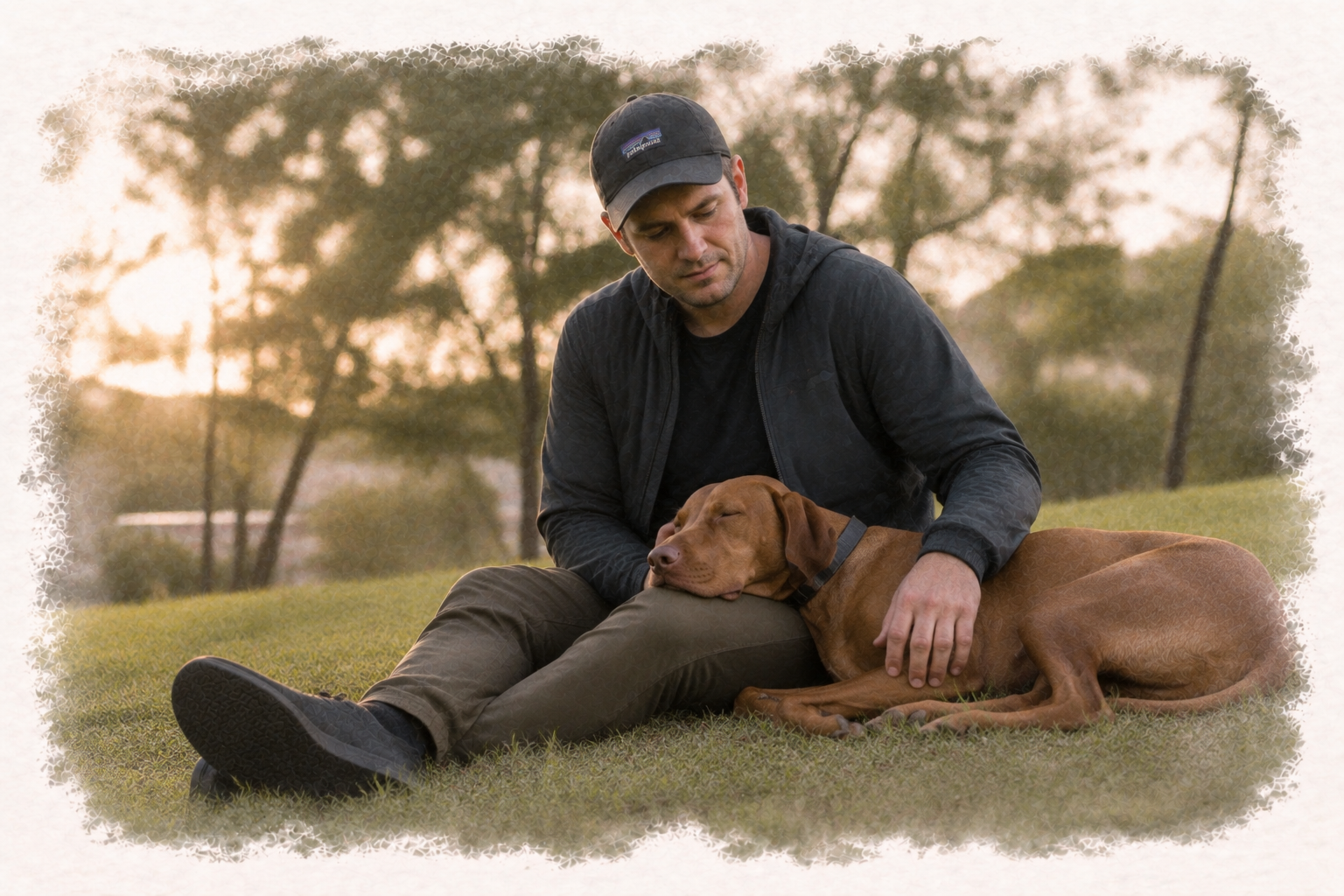
A dog who can lay down, soften their body, and simply be… is usually a dog who feels safe, content, and comfortable in their own skin.


That’s not boredom. That’s peace.


The Dogs I Worry About Aren’t the Ones Relaxing

These dogs often get mislabeled as:


  • the energetic one


  • the playful one


  • the busy one


  • the dog who “just loves me that much”

But often, it’s not energy.


It’s
agitation.


It’s
stress.


It’s
dysregulation.

And the big misunderstanding many people have is believing:

“My dog will sleep when they’re tired.”

Not always.
Not if they’re stressed.
Not if their nervous system is dysregulated.
Not if they’ve learned that staying busy keeps discomfort at bay.


Busy Behaviours Can Be a Symptom

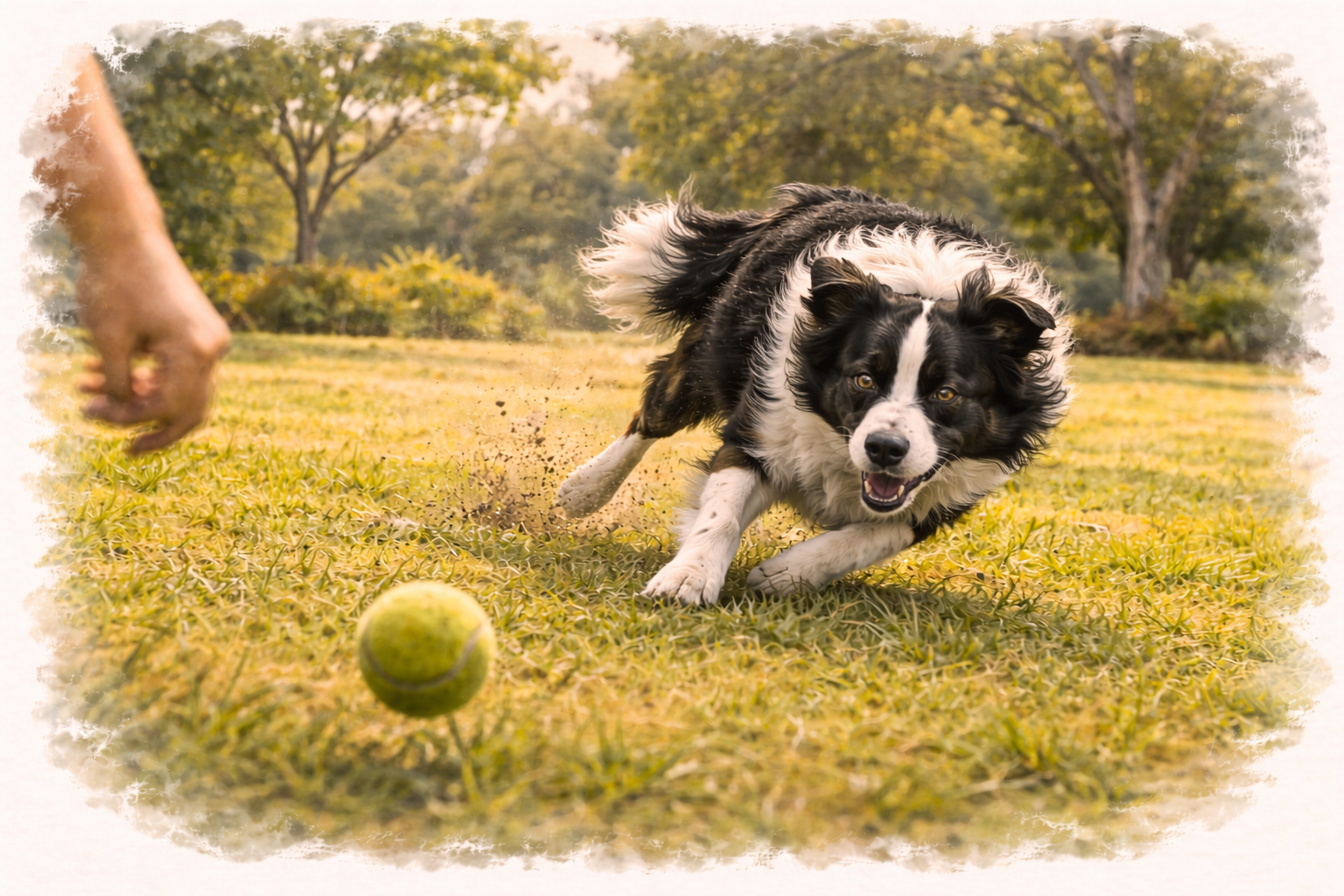
Some dogs stay constantly active because:

✦ They’re stressed

Their nervous system can’t drop into rest because it doesn’t feel safe yet.

✦ They rely on dopamine

Play, movement, attention — these become coping mechanisms, not choices.

✦ They’ve become hyper-vigilant

Alert to every sound, movement, or change in the home. They feel responsible for monitoring everything.

✦ They’ve formed a habit of never switching off

It becomes learned behaviour: “Stay busy → feel less uncertain.”


These dogs aren’t living joyfully — they’re living in constant activation.

Relaxation Tells a Very Different Story

When I see a dog lying down, calmly, observing the world or fast asleep…


I don’t think:
“He’s bored.”
“She needs something to do.”


The dogs I have the most concern for are the ones who:


  • can’t settle


  • pace around the home


  • constantly bring toys


  • bark for attention


  • follow you room to room


  • can’t switch off


  • seem “wired” even when tired


I think: “This dog feels safe enough to let the world happen without needing to control it.


A relaxed dog is showing you:


  • I don’t feel threatened


  • I don’t feel responsible for monitoring everything


  • I’m not chasing dopamine to soothe myself


  • I trust my environment


  • I feel safe enough to drop my guard


That is healthy emotional regulation.


That is security.


That is a sign of excellent behavioural health.


A Simple Spot Check

Next time you see your dog doing something you automatically label as “energetic,” pause for a moment and ask:


🔍 Is this really energy… or is it agitation?
🔍 Are they choosing it, or are they stuck in it?
🔍 Is my dog actually struggling to rest?


And next time you see your dog curled up, breathing deeply, fully relaxed…


Let them rest.
Respect the moment.
And appreciate what that tells you about how safe they feel.

Want Help Creating a Dog Who Can Truly Relax?

If your dog struggles to settle, seems constantly “on,” or can’t switch off, you’re not alone — and it’s not a personality trait.

It’s a sign they need support.

Inside Canine Caregivers, I teach you how to help your dog regulate emotionally, feel safe in their environment, and come down from chronic activation so rest becomes normal again.

If you’re in Sydney and want personalised guidance, I’d love to support you and your dog through one-on-one sessions.

— Ian

 Bondi Behaviourist


“A healthy dog is a happy dog and a happy dog is great to live with”.

I understand why obedience is so attractive.

Recent Posts

May 5, 2026
Most reactive dog training targets the wrong moment. Learn why preparation and diagnosis matter more than the walk itself.
By Bondi Behaviourist April 28, 2026
Most reactive dog advice skips the fundamentals. A Sydney dog behaviourist explains the two skills — leash handling and spatial awareness — that make the biggest difference on walks.
By Bondi Behaviourist April 21, 2026
If your dog barks, lunges or shuts down on walks, this is where to start. A Sydney dog behaviourist explains what's really driving reactivity — and the approach that creates lasting change.
Calm dogs
By Bondi Behaviourist April 9, 2026
Most owners reward excitement without realising it. A Sydney dog behaviourist explains why noticing and protecting calm — rather than interrupting it — is one of the most powerful things you can do for your dog.
Is Your Dog Rushing You at Home? Create Calm, Clear Daily Routines | Dog Training Sydney
By Bondi Behaviourist April 9, 2026
Most puppy training focuses on commands. A Sydney dog behaviourist explains why supporting your puppy's emotional state first makes everything else — the listening, the learning, the calm — fall into place.
By Bondi Behaviourist April 8, 2026
When dogs rush you through daily routines it's not naughtiness — it's a lack of clarity. A Sydney dog trainer explains how working dogs think, and how simple structure creates calm involvement at home.
By Bondi Behaviourist April 1, 2026
Letting your dog sleep on the bed isn't a dominance issue or a training failure. A Sydney dog behaviourist explains when it works, when it doesn't, and why the decision is simpler than you think.
By Bondi Behaviourist March 24, 2026
Trying to make every walk perfect puts pressure on you and your dog. A Sydney dog trainer explains why balance over time — not perfection every outing — creates calmer, more enjoyable walks.
dog training ace freework
By Bondi Behaviourist March 19, 2026
Aggression isn't bad behaviour — it's communication. A Sydney dog behaviourist explains what unmet need is driving your dog's reactivity, and why addressing that changes everything.
By Bondi Behaviourist March 12, 2026
Exhausting your dog isn't the goal — a dog that collapses from overstimulation isn't the same as one that's genuinely calm. A Sydney dog behaviourist explains why, and what to aim for instead.
Show More