The Dangers of Using Punishment When Training

Ian Shivers • October 21, 2025

Share this article

I understand why obedience is so attractive.

As my daughter is growing through her toddler years, I’m reminded daily how development — in both children and dogs — is full of trial, error, and exploration. Every new day brings new behaviours, most of them joyful, funny, and fascinating. But of course, not all of them are easy to live with.

When something undesirable happens, my job isn’t simply to stop it — it’s to understand it.
I need to ask myself:
What’s driving this? What need is being met here? How can I guide her to meet that need in a way that works better for both of us?

It’s never as simple as “I don’t like that, so I’ll make it stop.” Because the way I respond doesn’t just change behaviour — it shapes our relationship.

It’s exactly the same with dogs.

Our dogs, much like young children, act based on instinct, emotion, and what’s been rewarding in the past. When we respond with anger or punishment instead of understanding, we’re not teaching them what to do — we’re only teaching them to be fearful of getting it wrong.

Reflect Before Reacting

Before stepping in, it helps to pause and consider a few things:


  • What’s driving this behaviour? What’s the emotion or need behind it? If I can identify that, I can meet that need in a healthier way.


  • What were the circumstances? What led up to this? Maybe the environment was too stimulating, the dog was tired, or they didn’t understand what was expected.


  • How do I respond in a way that keeps trust intact? I can interrupt or redirect the behaviour firmly, but calmly. The goal isn’t to make them afraid of doing the wrong thing — it’s to help them feel safe while learning what’s right.


Taking a moment to think before reacting changes everything. It turns training from a power struggle into a conversation.

And to be clear — reflecting before reacting doesn’t mean being permissive. Boundaries still matter. I’ll always step in to stop unsafe or unwanted behaviour, but I’ll do so with clarity and kindness rather than fear or frustration.

When we see it that way, punishment stops feeling like the answer — because we realise it never really was.

Why Punishment Fails in Dog Training

Using punishment as a training method might seem effective at first glance. But while it can technically suppress behaviour, it almost never works as intended in real life — and it often creates new problems that are far harder to fix.

Let’s break down why.

1. Timing

Dogs live in the moment. For punishment to “work,” it has to happen while the behaviour is happening or within half a second after it stops.


Miss that window, and the dog has no way to connect the dots. They don’t think, “I’m being punished for stealing food off the counter.” They think, “You’re unpredictable — and that scares me.”


When timing is off, punishment teaches nothing useful — and it damages trust.


2. Consistency

To effectively suppress a behaviour, punishment has to happen every single time the behaviour occurs — with the same intensity, from every person involved. That’s not realistic.


If they’re punished sometimes but not others, the behaviour still feels worth the risk. It might even become more persistent, especially when you’re not around to enforce it.


And that inconsistency doesn’t just confuse the dog — it creates frustration and anxiety. It builds uncertainty, not understanding, and it breaks down trust instead of strengthening it.


3. Sufficiently Aversive

For punishment to truly stop a behaviour, it must be unpleasant enough that the dog never wants to repeat it. But this creates an ethical and emotional problem — most people (rightly) don’t want to hurt or frighten their dog.


If the punishment isn’t strong enough, it can backfire. The dog might begin to associate the behaviour with your attention — even negative attention — which can make it more rewarding.


In other words, mild punishment can accidentally reinforce the very behaviour you’re trying to stop.


4. Damaging Relationships

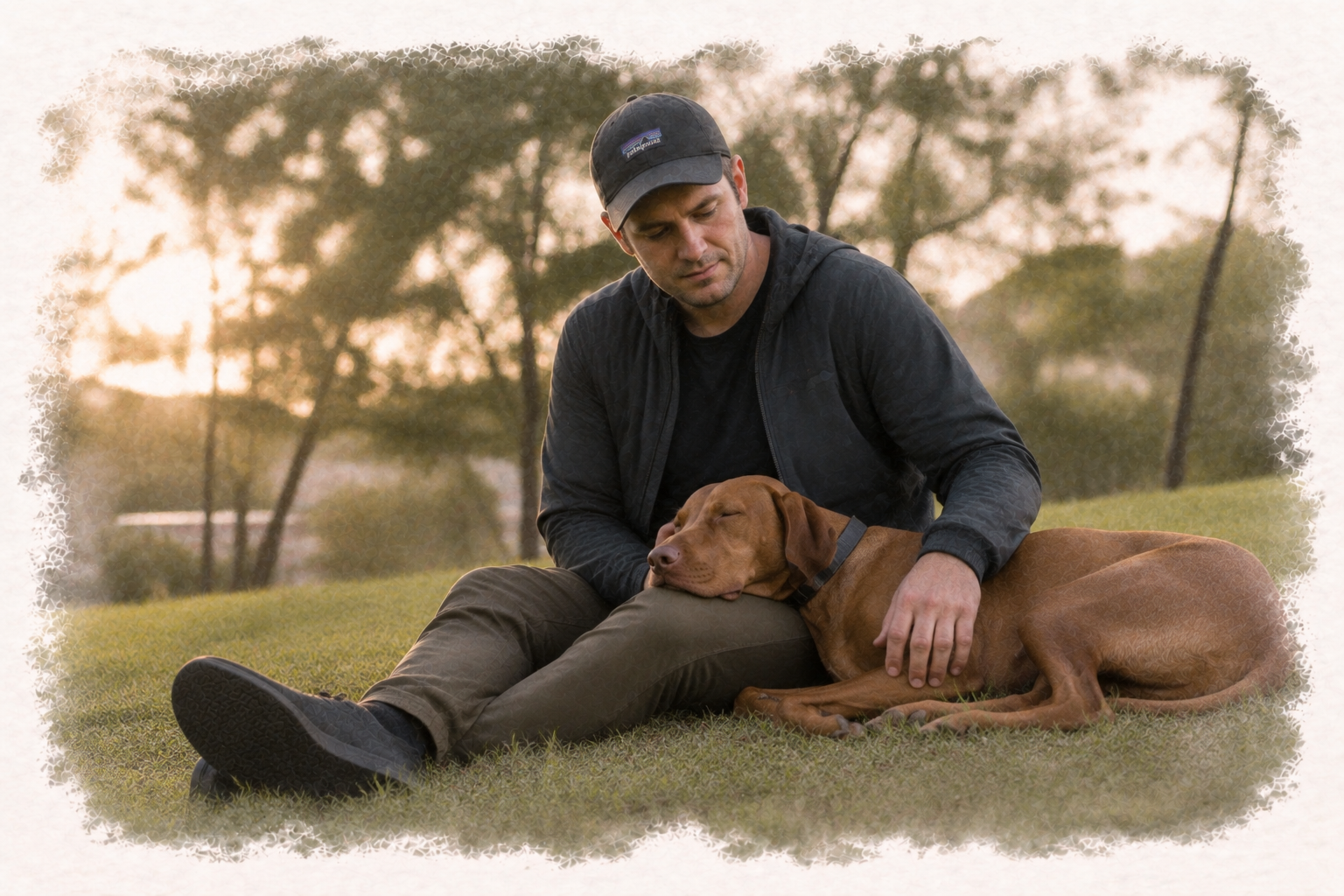
Punishment changes the emotional foundation of your relationship with your dog.


Emotional safety is the foundation of behavioural health. Undermine that, and you’ll see tension, stress, and insecurity grow in its place.


Instead of cooperation and trust, punishment breeds fear and avoidance. When your focus becomes stopping behaviours instead of guiding them, your interactions turn reactive and negative. Over time, that frustration erodes the very bond that made you want a dog in the first place.


We get dogs because we want connection. We want joy and companionship. Constant correction pulls you both away from that.


5. Frustration for the Human Too

Punishment doesn’t just harm the dog — it often leaves the human feeling deflated and frustrated.


When a behaviour keeps reappearing despite your best efforts to stop it, it’s easy to feel like your dog “knows better” and is choosing to ignore you. In truth, they simply don’t understand what you want — and the more tense the relationship becomes, the harder it is for them to learn.


It’s an exhausting cycle. And it’s one that ends only when we shift our approach from control to understanding.


The Power of Clarity and Consistency

Clarity and consistency are what make a relationship — human or canine — feel safe and stable.


Predictability gives dogs emotional security. When they can trust how we’ll respond, what’s expected of them, and how to succeed, they begin to relax. That sense of safety is what allows them to learn, to think, and to thrive.


A predictable relationship doesn’t mean rigidity or strictness — it means dependability. Dogs that can predict their environment, their routines, and their owner’s reactions are far less likely to develop frustration, anxiety, or unwanted behaviours in the first place.


It’s not the absence of boundaries that helps them feel secure — it’s the consistency of them.


A Better Way Forward

When an unwanted behaviour shows up, whether in a child or a dog, the first step isn’t to react — it’s to reflect.

Instead of punishing what we don’t like, our energy is better spent understanding why it’s happening and teaching what we’d rather see instead.

When a dog jumps up, ask — are they seeking connection? If so, teach a calmer way to greet while also thinking ‘where else in my day can I meet this need to reduce the need to jump at times I find it inconvenient’


When they are barking excessively, ask — are they tired, overstimulated and emotionally disregulated? If so, change their environment, encourage them to relax or provide an enrichment outlet to help them re-stabilise?

The goal isn’t control — it’s clarity.
And the path to clarity is empathy, structure, and consistent guidance — not fear.
  When stepping in, try to control the environment, not the individual. The more proactive you can be, the better.

And again, this doesn’t mean being permissive.
Clear, kind boundaries are essential. You can stop a behaviour, interrupt it, or redirect it firmly — but the moment you use fear to do it, you lose trust, and learning you want to see shuts down and the learning you would shudder to think about begins.

Because punishment doesn’t teach a dog how to live with us. It only teaches them to fear getting it wrong. And fear is the fastest way to shut down productive learning.

👉 If you’re struggling with unwanted behaviour and want to build lasting change without punishment, book a free discovery call today. We’ll look at what’s driving your dog’s behaviour and create a plan that builds understanding — not fear.

I understand why obedience is so attractive.

Recent Posts

By Bondi Behaviourist April 28, 2026
Most reactive dog advice skips the fundamentals. A Sydney dog behaviourist explains the two skills — leash handling and spatial awareness — that make the biggest difference on walks.
By Bondi Behaviourist April 21, 2026
If your dog barks, lunges or shuts down on walks, this is where to start. A Sydney dog behaviourist explains what's really driving reactivity — and the approach that creates lasting change.
Calm dogs
By Bondi Behaviourist April 9, 2026
Most owners reward excitement without realising it. A Sydney dog behaviourist explains why noticing and protecting calm — rather than interrupting it — is one of the most powerful things you can do for your dog.
Is Your Dog Rushing You at Home? Create Calm, Clear Daily Routines | Dog Training Sydney
By Bondi Behaviourist April 9, 2026
Most puppy training focuses on commands. A Sydney dog behaviourist explains why supporting your puppy's emotional state first makes everything else — the listening, the learning, the calm — fall into place.
By Bondi Behaviourist April 8, 2026
When dogs rush you through daily routines it's not naughtiness — it's a lack of clarity. A Sydney dog trainer explains how working dogs think, and how simple structure creates calm involvement at home.
By Bondi Behaviourist April 1, 2026
Letting your dog sleep on the bed isn't a dominance issue or a training failure. A Sydney dog behaviourist explains when it works, when it doesn't, and why the decision is simpler than you think.
By Bondi Behaviourist March 24, 2026
Trying to make every walk perfect puts pressure on you and your dog. A Sydney dog trainer explains why balance over time — not perfection every outing — creates calmer, more enjoyable walks.
dog training ace freework
By Bondi Behaviourist March 19, 2026
Aggression isn't bad behaviour — it's communication. A Sydney dog behaviourist explains what unmet need is driving your dog's reactivity, and why addressing that changes everything.
By Bondi Behaviourist March 12, 2026
Exhausting your dog isn't the goal — a dog that collapses from overstimulation isn't the same as one that's genuinely calm. A Sydney dog behaviourist explains why, and what to aim for instead.
By Ian Shivers February 24, 2026
I understand why obedience is so attractive.
Show More