For The Wellbeing of Pets in the Workplace

Ian Shivers • March 12, 2021

Share this article

I understand why obedience is so attractive.

Increasingly we are looking at pet’s overall wellbeing in the same way as we do our own. In particular with dogs: appreciating every pet as an individual as we do humans, putting time into building the relationship between pet and human, promoting calm versus stressful environments, positive versus negative reinforcement, balancing quiet time with social interaction, getting enough sleep and the right nutrients, combining physical exercise and mental stimulation.   


 Once convinced that pets have a positive effect on people’s wellbeing – employees and customers - the next question most people ask is how to establish your “pets in the workplace” policy and procedures to promote their wellbeing.


Establishing a Positive Environment for the Wellbeing of Dogs and Humans

The dog sees the world differently to you and me. Where we see locations and named items such as offices, hallways desks and doorways the dog simply sees area of space and learns an association of this. This results in us generalising and normalising so much, but the dog breaks it down and sees every single place for what it is, without bias or pre-conceived ideas on how it 'should' perceive this area.

For context, let’s compare how we perceive things to how the dog might and look at how this applies to an office space. We arrive at certain locations (i.e. work) with pre-conceived notions of what is expected of us and others. This includes our perceived understanding of space which is clearly ours (i.e. my desk, my office) and what is shared (kitchen, hallways, lifts etc). Dogs do not enter new locations with any of this meaning or understanding. As soon as they enter somewhere new, they are instantly trying to work this out, and working out associations with the space based on their immediate interactions with it. Most importantly, they are trying figure out how each of these spaces, people and items impacts THEM. Coming with no pre-conceived notions and a high probability of doing something undesirable, it is up to us to directly show them what they can reliably predict to happen in the space, and how we would like them to interact within that space. It is up to us to ‘set them up for success’.


The first impressions the dog are likely to take in are:


  • Is the area stimulating and unpredictable, or calm and consistent? 


  • Perhaps there is a lot of foot traffic or nowhere for the dog to stop and relax. Is it a place that games are played? These places can impact the dog as something stressful or something fun, but it is unlikely that the dog will be able to relax here.


  • Is the area stressful?


  • Has the dog experienced something negative here before or somewhere similar? If so, the dog will potentially anticipate something similar next time they are there. Making them potentially tense, anti-social, nervous or even hyper aroused and over stimulated.


  • Is this area associated with food?


  • If the dog has found or received food here before they will likely anticipate this again in the future and potentially appear pushy in their search for food.


  • Is this a toilet?


  • Has this dog or any other dog urinated or defecated here before and has it been cleaned up properly? If so, and if not then it is likely to go toilet here again next time.


  • Is this a place they can relax?


  • Under desks, away from doors and where PEOPLE DON'T INVADE THEIR PERSONAL SPACE are where the dog can relax and drop their guard. So important to all dogs.


Calm First, Plenty of Rest and Sleep


Most people are not aware that dogs require roughly 14-18 hours a day sleep, that’s up to 75% of their day. That means that the dog should really only be awake for 6!!


Taking a dog to work can be a fantastic way to keep your dog involved but be aware that it can take its toll. The amount of sleep a dog gets will affect its behaviour just like it would a person.


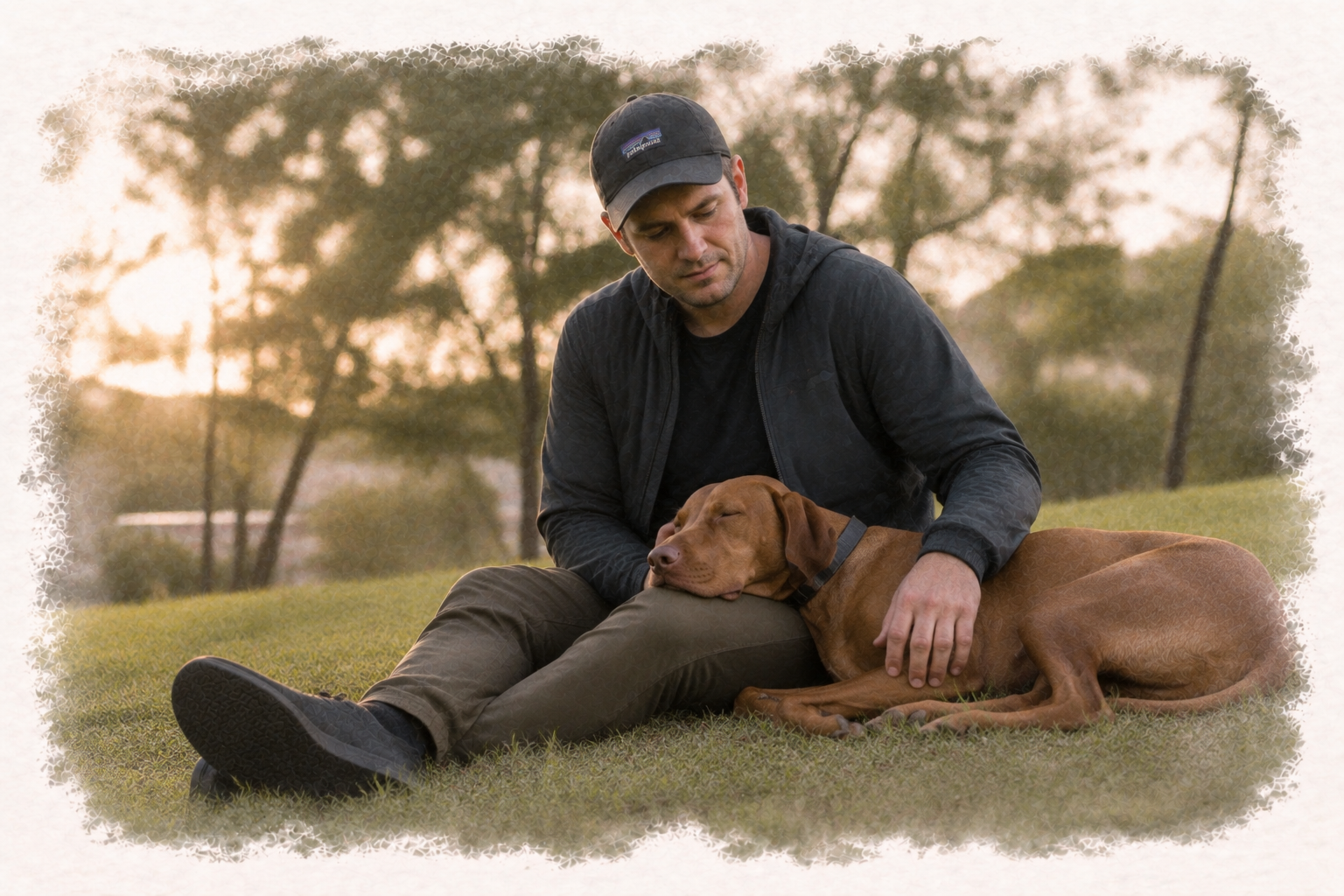
 A well-rested dog will be happy and relaxed, taking life and its challenges in its stride. A sleep deprived dog will potentially be anti-social, intolerant of change, grumpy, and not very good at learning new things.


The office can be a very stimulating place to a dog, with all of the noises and movements that keep the dog awake far longer than they are supposed to be. Owners should be mindful if their dog is sensitive to noise, creating distance and positive associations, soothing with music and calming scents & sprays.


Look out for discomfort by observing the dog’s body language: easily startled, fidgeting and restlessness, tension, jumping to attention, panting, pacing and attention-seeking.


A 'Calm First' approach to having your dog in the office is the healthiest approach, whereby the majority of the day, the dog is resting in a place so it can relax, people leave them be, allowing them to drop their guard and sleep deeply. And introducing occasional times of fun and activity to entertain the dog such as trips to the office kitchen, pee breaks and time to walk around to everyone’s desk and beg for a biscuit and pats.


Create Healthy Boundaries


Set up a quiet place under your desk, away from walkways, entries and exits, using a leash to or a crate to keep them there while you’re not 100% supervising. A blanket on top to block off visual stimulus can help the dog relax.


We would also recommend a little desk sign that says, 'Fido's times of fun are...... other than that, please let him nap’ or something similar. Just to make sure that those dog loving office friends with the best intentions are still following some ground rules. 


Safety in Routine


The dog’s perception of their own safety is key for their wellbeing. The degree of comfort a dog feels is built on them feeling safe where they are and having trust in those around them. This will make it more likely that they behave in a socially appropriate manner and are tolerant of other dogs, humans and noises.


Establishing a routine is great for the dog’s sanity and health, and great for office productivity and morale. Think of the basics in ways to structure a dog’s day in the office:


  • Rest and Sleep – priority number one, with structured time and places of rest


  • Snacks – treats for positive reinforcement of desirable behaviours, chews for entertaining and relaxing in their safe space


  • Comfort items – Chewing helps a dog relax through the release of oxytocin and can help occupy a dog at times that you are not available to give 100% supervision. Make sure that while a dog is chewing, nobody (dog or person) tries to interact with them, just to be sure the dog does not guard their chew.


  • Interaction time – time to greet people at their desks or come into the common area with you


  • Play time – if the office allows play indoors, think about where, who it impacts/disrupts and time limits, toys are fun and stimulating so keep them just for play time. Ball games might be fun but balls lodged under someone else’s desk might cause more frustration than fun. Maybe a game of tug or games for food might be more appropriate?


  • Walk/toilet time - getting up and stretching the legs as well as relieving themselves can be a great break for both the dog and the office workers, just make sure that whoever takes the dog out is actually conscious of the dog’s behaviour, knows how to handle the leash and sticks to the walking rules of the owner


  • Work buddy – a second in command that the owner trusts is always going to be helpful, for when you need to go to a meeting or are caught in one for longer than expected


Interactions with Other People and Dogs


Respect each dog for the individual they are. Just because you have a dog at home, it doesn’t mean that all other dogs are the same.


Allow dogs to come to people rather than making them uncomfortable by imposing on the dog, whether it’s in the common areas or within their safe spaces.


Respect that some workers and clients don’t want the dog in their space and they’re entitled to expect that you will take responsibility for this. Providing supervision and positive reinforcement is important so that the dog does not bark and jump at the front door or run off and pester people relentlessly. Put a sign on the front door and give the office phone number for clients, workers and other visitors to call if they are uncomfortable.


When meeting other dogs in the environment, the goal is to get them to relax around one another not become best of play mates. Encouraging short, gentle and positive interactions at the beginning will build a healthy relationship.


Ensure there is enough space. When a dog is feeling crowded and not able to create space when they need it, this can result in the dog feeling uncomfortable and becoming defensive, increasing the likelihood of conflict.


Be mindful of conflict over resources. If there is competition or tension when toys and chews are present, then either separate the dogs at these times or do not give them to the dogs, unless they are by themselves in their safe space. 


Permitting ‘Free range office dogs' is a recipe for disaster. With disruptions to people and dogs, ultimately it would take a pretty bomb proof magical unicorn of a dog to get it all right!


Flexibility for Dogs and their Owners


Most dogs will get affected to some degree from being in an environment full of people, and it is up to the owner to be mindful of their dog’s behaviour in deciding whether or how often the dog comes to work.


Coming into the office all the time may lead to lack of sleep and develops zero coping skills for being alone. Healthy degrees of separation so that the dog feels comfortable being left alone is very important.


To promote the wellbeing of dogs and humans, provide flexible options for your employees to spend time with their dogs, whether that’s a safe way for their dog to enter, exit and sleep in the workplace or flexible working from home hours.


Integrating our pets into our offices and everyday life can be challenging. Learning about dog behaviour can make it so much easier and achievable. Did you know that we have held many workshops in dog friendly workplaces and taught many people how to integrate their pups into the workplace effectively. If you’re interested in learning more then get in touch, we’re happy to talk through how we might be able to help you.

I understand why obedience is so attractive.

Recent Posts

dog training ace freework
By Bondi Behaviourist March 19, 2026
Aggression and reactivity in dogs aren't behaviour problems. They're expressions of unmet needs. Learn what your dog is really asking for and how to help.
By Bondi Behaviourist March 12, 2026
A lot of people think the goal with dogs is simple: “Just tire them out.” Play with them. Exercise them. Stimulate them. Keep them busy. The idea is innocent enough. “If my dog is tired, they’ll relax.” But there is a very important difference that often gets missed: A tired dog is not the same as a relaxed dog. And many dogs today are not relaxed at all. They are simply exhausted. Exhaustion Is Not Relaxation Many dogs live lives full of stimulation. Constant activity. Constant engagement. Constant entertainment. They’re always doing something. Then eventually they crash. People look at this and think: “Great. My dog is finally relaxing.” But collapsing from exhaustion is not the same as feeling comfortable enough to relax. A dog that truly feels safe and settled can: Drop their guard Rest during the day Switch off without needing to be exhausted first Be calm even when nothing is happening That’s a very different experience from a dog who only stops because they’ve hit their limit. A Story From My Own Life I often think about this when I look at my daughter. She loves swimming. She loves going to the park. She’s great with people, so she enjoys coming to the pub with me while I have a pint and she plays in the play area. She also loves playing with her toys at home. All of these things are great for her. But if I tried to do all of them in one day , it would not end well. By the end of the day there is a very high chance that getting her to sleep would be a challenge. The next day would probably be a challenge too, because she’d still be dysregulated from the day before. If I repeated that kind of day again and again, her behaviour would likely become unrecognisable from the happy, well-adjusted and social kid I know her to be. And if it went on long enough, some people might start describing that behaviour as her personality . Which would be completely unfair. Because it wouldn’t be who she is. It would simply be the result of too much stimulation and not enough recovery. The Same Thing Happens With Dogs Dogs are no different. If their lives are full of stimulation all the time, it becomes much harder for them to settle. Because settling is a skill. And like any skill, it has to be practiced. If a dog is constantly being stimulated, entertained or activated, they never actually practice switching off. So when we suddenly want them to relax, they simply don’t know how. Down time can feel uncomfortable when you’re used to being busy all the time. But that discomfort is often misunderstood. People assume the dog is just energetic . But there is a big difference between: • A dog that is energetic • A dog that is unable to settle Those are very different states of being. Stimulation Should Be Quality, Not Quantity Dogs absolutely need stimulation. They also need: Sleep Enrichment Exercise Interaction But the key is balance. Stimulation should be about quality, not quantity. Even things we love can become draining when there is too much of them. Too much stimulation — even if it’s fun — eventually becomes taxing rather than enriching. An Exhausted Dog Isn’t At Their Best A dog that is constantly pushed to exhaustion ends up just like an exhausted human. They become: Less tolerant Less resilient More reactive More easily frustrated More prone to stress behaviours They become narky. Anti-social. Short tempered. That’s not enrichment. That’s fatigue. My Baseline Is Calm Instead of trying to keep my dogs busy all day, I invert the approach many people take. My baseline is calm. Throughout most of the day, my dogs are: • Resting • Relaxed • Calmly present in the environment Even if they are around while I’m doing something, the expectation is that they are settled . If a situation is too stimulating for them to relax and it isn’t about them, then I simply don’t involve them. They stay home. They rest. They recover. Because rest is not laziness. Rest is regulation. Then We Bring The Enrichment At times that suit my day, my preferences and their needs, we bring stimulation to the table. That might be: Enrichment Exercise Play Training Exploration Social interaction The goal is not just to burn energy. The goal is to satisfy something meaningful . Their minds. Their instincts. Their bodies. Their curiosity. Then, when the activity is finished, we return to our calm baseline. The Goal Was Never a Tired Dog Many people aim for a tired dog. I never do. I aim for a dog that is: • Satisfied • Fulfilled • Comfortable in their own skin A tired dog is exhausted. A satisfied dog is regulated. And those two things create very different lives. If you’d like help applying this and in doing so, improving your and your your dogs lives, I can support you in a few different ways. Through Canine Caregivers , I offer online courses and webinars to build understanding, structure, and consistency at your pace. If you’re based in Sydney, I also offer 1:1 training across Sydney , socialisation and puppy classes , and can provide all recommended training equipment to support the work we’re doing. I offer The Complete Care training program that covers every single base you will need as well as The Starter Program which allows you to tailor the training and support you need with flexibility. 👉 Join Canine Caregivers 📞 Or get in touch for 1:1 help in Sydney
By Ian Shivers February 24, 2026
I understand why obedience is so attractive.
By Ian Shivers February 17, 2026
I understand why obedience is so attractive.
By Ian Shivers February 10, 2026
I understand why obedience is so attractive.
By Ian Shivers January 31, 2026
I understand why obedience is so attractive.
By Ian Shivers January 27, 2026
I understand why obedience is so attractive.
By Ian Shivers January 21, 2026
I understand why obedience is so attractive.
By Ian Shivers January 14, 2026
I understand why obedience is so attractive.
By Ian Shivers January 6, 2026
I understand why obedience is so attractive.
Show More