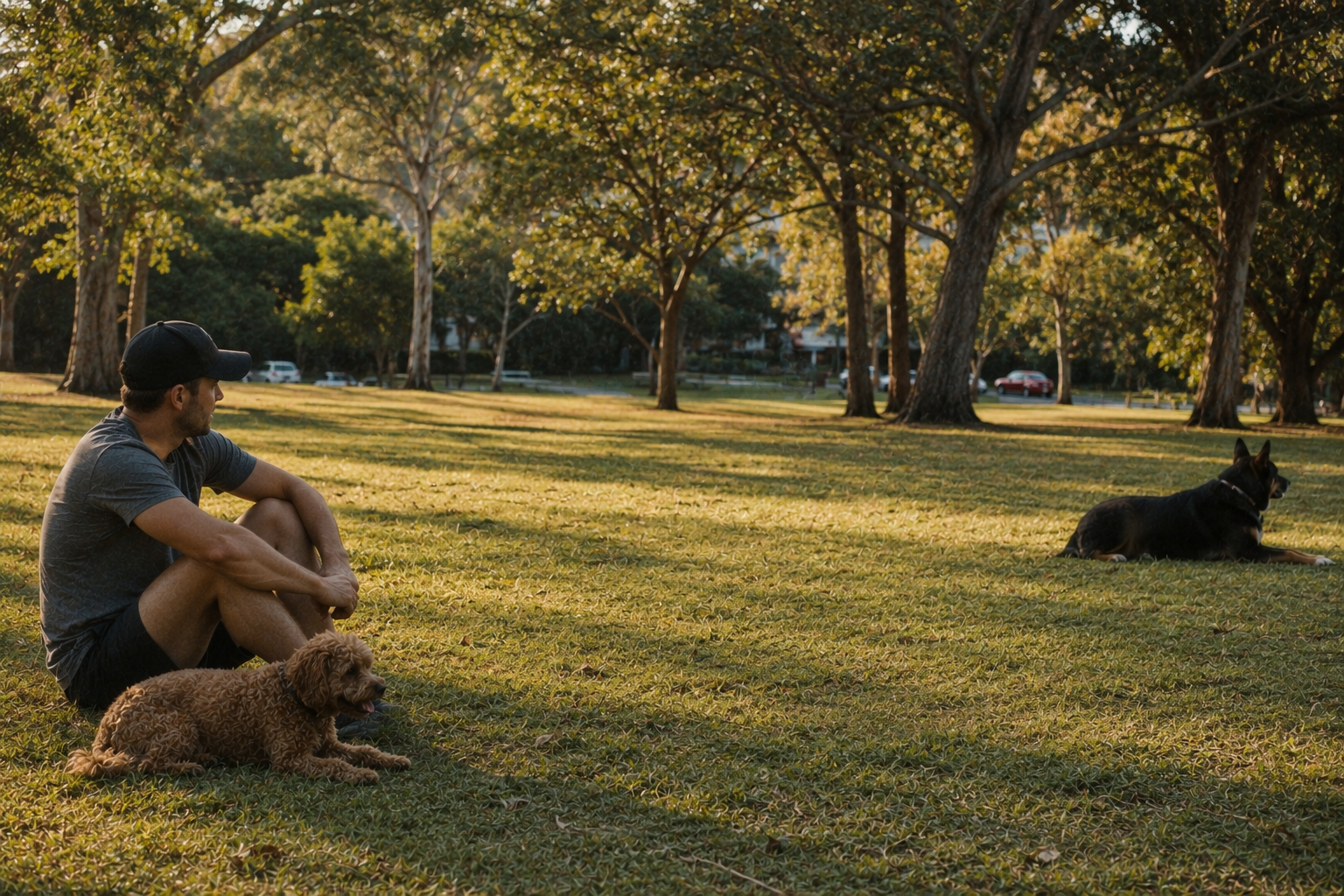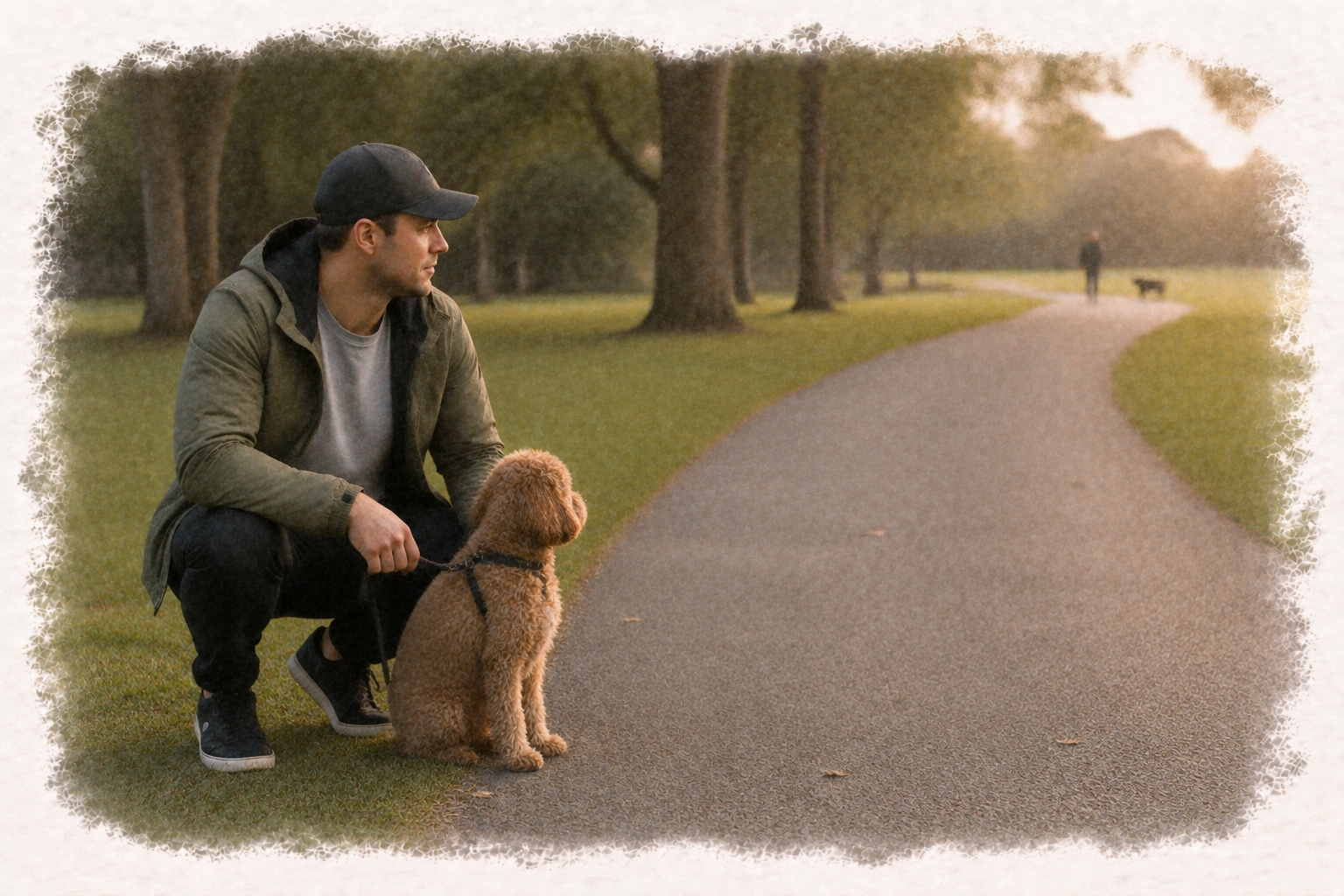
Your Dog Needs A Holiday After The Holiday

Bondi Behaviourist • January 8, 2026

Share this article

I don’t know about you, but after the holidays I need an actual break.


We had a lot of fun, family time, drank too much, ate too much and had a blast doing it. But now, I’d love some time to decompress.


I have to remind people of this every year. So this is me trying to help you get ahead of it, not catch up later.


The holidays, like they are for us, are a lot for dogs.


Even when they look like they’re coping… even when nothing “bad” happens… their world has usually changed a lot in a short space of time.


And change, even good change, carries a cost.


The Holidays Are Big for Dogs


During the holidays, dogs often deal with:


  • lots of people coming and going
  • different routines every day
  • more outings and activities
  • noise and movement
  • less sleep and rest
  • less predictability


None of these things are bad on their own. But when they happen day after day, your dog’s stress slowly builds up. Think of it like filling a cup. Every new thing fills it a little more.


A Full Cup Means Less Tolerance


When your dog’s cup is full:


  • they cope less well
  • small things feel bigger
  • patience runs out faster
  • behaviour becomes less predictable


This is when we often see:


  • more barking
  • more clingy or needy behaviour
  • trouble settling
  • frustration
  • big reactions to small things


It can feel like your dog has “changed”. But they haven’t. Their tolerance has.


After the Holidays, We Go Back to Normal


But Our Dogs Aren’t Ready Yet


Once the holidays end, people usually go straight back to normal life.


 - Normal walks.
- Normal routines.
- Normal expectations.


But many dogs are still carrying stress.


 - They haven’t had time to rest.
- They haven’t had time to reset.
- They haven’t had time to empty their cup.


So suddenly we see behaviours we didn’t see before. And confusingly… they show up in situations the dog has handled just fine in the past. The situation isn’t the problem. The dog’s tolerance level is.


This Is Where People Get Caught Out


I often hear:

“They’ve been here before.”
“They’ve done this a hundred times.”
“They were fine before Christmas.”

All of that might be true. But your dog isn’t starting from the same place anymore. They’re starting from a full cup.


What Helps Most Right Now


This is where the answer is simple — even if it feels hard.

Your dog needs a holiday after the holidays.

That means:

  • more sleep
  • more rest
  • fewer outings
  • less pressure
  • lower expectations
  • calmer days
  • predictable routines


Not forever.


Just for a week or two.


 - Let their nervous system settle.
- Let their cup empty.
- Let them recover.


If you’d like help applying this and in doing so, improving your and your your dogs lives, I can support you in a few different ways.

Through Canine Caregivers, I offer online courses and webinars to build understanding, structure, and consistency at your pace.

If you’re based in Sydney, I also offer 1:1 training across Sydney, socialisation classes, and can provide all recommended training equipment to support the work we’re doing.

I offer The Complete Care training program that covers every single base you will need as well as The Starter Program which allows you to tailor the training and support you need with flexibility.

— Ian

 Bondi Behaviourist


“A healthy dog is a happy dog and a happy dog is great to live with”.

Ian Shivers

Pet Parent, Dog Trainer & Behaviourist, podcast and content writer

I’m not here to help you create an obedient dog. I’m here to help you create a better life with your dog built on understanding, trust, and meeting both of your needs.


Whether you’re starting fresh with a new puppy or looking to improve life with your current dog, I’m here to guide you with practical, simple, and effective support.


Hi, my name is Ian, and I’ve been working with dogs and their owners since 2007, helping families build calmer, more connected relationships that last. With 150+ five-star Google reviews, I’m proud to be one of Sydney’s highest-rated behaviourists you can trust.

Table of Content

Get Your Free Starter Guide

Trusted by over 4,000 puppy owners, rescue dog owners and owners of dogs with behaviour issues across Sydney.

Ebook - The complete dog training framework

Webinar - A deep dive into the dog training framework

Dog Training Blog

Discounts on Lyka Pet Food

Recent Posts

By Bondi Behaviourist July 7, 2026
Pushing for exciting dog interactions before the foundation is there can build unpredictable associations. Good socialisation starts with calm, not play.
By Bondi Behaviourist June 30, 2026
Letting your dog run 100 metres ahead into a group of unknown dogs removes you from every decision that matters. Here’s why proximity is the point.
By Bondi Behaviourist June 23, 2026
Fetch looks like fun. But compulsive fetch depletes dopamine baselines, spikes cortisol, and can quietly make your dog harder to settle — not easier.
By Bondi Behaviourist June 16, 2026
Settling isn’t a behaviour you train — it’s a state you create. If your dog can’t switch off at home, the environment is usually the place to start.
By Bondi Behaviourist June 10, 2026
If your dog is reactive or antisocial around other dogs, there is a clear pathway forward. It starts with understanding why — everything else follows from that.
By Ian Shivers June 1, 2026
Two days, small groups, in person. Learn why your dog reacts and what to do about it. Sydney reactivity workshop — 6th & 7th June. Spots almost gone.
By Ian Shivers May 26, 2026
Your dog signals stress before it reacts. Learning to read those signals — and the other dog’s — gives you time to act before the threshold is crossed.
By Bondi Behaviourist May 19, 2026
Play can reduce reactivity or quietly make it worse. It depends on the game, the structure, and whether it matches the dog.
By Bondi Behaviourist May 19, 2026
Your dog’s behaviour is the end of a long chain. Ian Shivers explains the four-lens framework that reveals what’s really driving it — and why fixing it starts upstream.
May 5, 2026
Most reactive dog training targets the wrong moment. Learn why preparation and diagnosis matter more than the walk itself.
Show More